Fact Snapshot
- Paper: Supramolecular interfacial engineering triggered electron delocalization for tailoring CNT dispersion
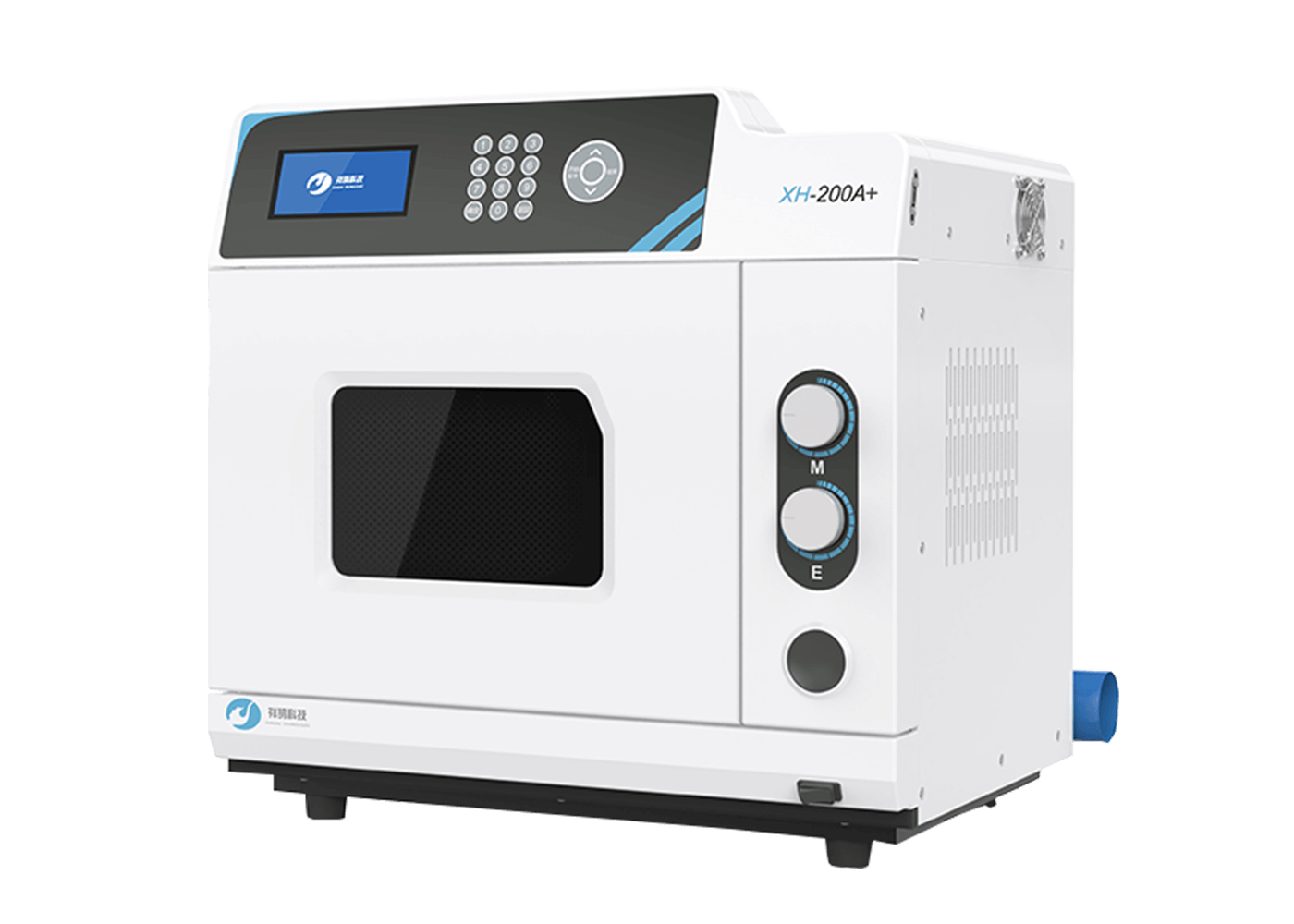
- Equipment: XH-200A / XH-200C
- Source: Composites Part B: Engineering, 2026
- Research direction: CNT
- Core conditions: Microwave curing program 100 W / 200 W / 300 W, 60 min
- Key results: Tensile strength 94.8 MPa and Flexural strength 171.3 MPa
Research Abstract
Supramolecular interfacial engineering triggered electron delocalization for tailoring CNT dispersion was published in Composites Part B: Engineering (2026) and is indexed as a Xianghu Q1 application case for XH-200A / XH-200C. The source record connects it with CNT. Core operating conditions include Microwave curing program 100 W / 200 W / 300 W, 60 min. Key reported results include Tensile strength 94.8 MPa and Flexural strength 171.3 MPa.
Research Background and Problem
The paper is positioned around CNT. The equipment record identifies XH-200A / XH-200C as the Xianghu instrument context for this application case. The source affiliation record includes Beijing University of Chemical Technology.
Equipment Use and Experimental Conditions
| Item | Parameter |
|---|---|
| Microwave curing program | 100 W / 200 W / 300 W, 60 min |
Key Result
Tensile strength
94.8 MPa
Flexural strength
171.3 MPa
| Metric | Result |
|---|---|
| Tensile strength | 94.8 MPa |
| Flexural strength | 171.3 MPa |
Evidence Details
Microwave-method evidence
Microwave-method evidence: source values include 100 W, 60 min, 200 W, 300 W. Entities: XH-200C.
Release-kinetics evidence
Release-kinetics evidence: source values include 25 °C, 1.648 S. Entities: Maxwell-Wagner-Sillars, inside-out.
Additional source evidence
Additional source evidence: source values include 40.4%, 16.2%.
Mechanism / Method Highlights
- Method context: Microwave curing program 100 W / 200 W / 300 W, 60 min.
- Microwave-method evidence: source values include 100 W, 60 min, 200 W, 300 W. Entities: XH-200C
- Release-kinetics evidence: source values include 25 °C, 1.648 S. Entities: Maxwell-Wagner-Sillars, inside-out
- Additional source evidence: source values include 40.4%, 16.2%
- Reported outcome: Tensile strength 94.8 MPa and Flexural strength 171.3 MPa.
Application Value
- Provides a peer-reviewed SoarNova / Xianghu Q1 application case for XH-200A / XH-200C.
- Supports English discovery around CNT.
- Preserves quantitative result evidence: Tensile strength 94.8 MPa and Flexural strength 171.3 MPa.
- Maintains source-level evidence details: Microwave-method evidence: source values include 100 W, 60 min, 200 W, 300 W. Entities: XH-200C, Release-kinetics evidence: source values include 25 °C, 1.648 S. Entities: Maxwell-Wagner-Sillars, inside-out, and Additional source evidence: source values include 40.4%, 16.2%.
Related Equipment
FAQ
Which Xianghu instrument is covered by this page?
The structured source records XH-200A / XH-200C for this paper.
What is the main application direction?
The source tags this paper under CNT.
Which publication does this case come from?
It comes from Composites Part B: Engineering (2026), DOI 10.1016/j.compositesb.2026.113844.
Citation
Supramolecular interfacial engineering triggered electron delocalization for tailoring CNT dispersion
Composites Part B: Engineering, 2026
DOI: 10.1016/j.compositesb.2026.113844
Supramolecular interfacial engineering triggered electron delocalization for tailoring CNT dispersion
Composites Part B: Engineering, 2026
DOI: 10.1016/j.compositesb.2026.113844