Fact Snapshot
- Paper: Synthesis and characterization of a delivery system by combining cobalt (II) with soluble dietary fiber from Cyperus esculentus L. to regulate gut-derived neuroactive metabolite biosynthesis
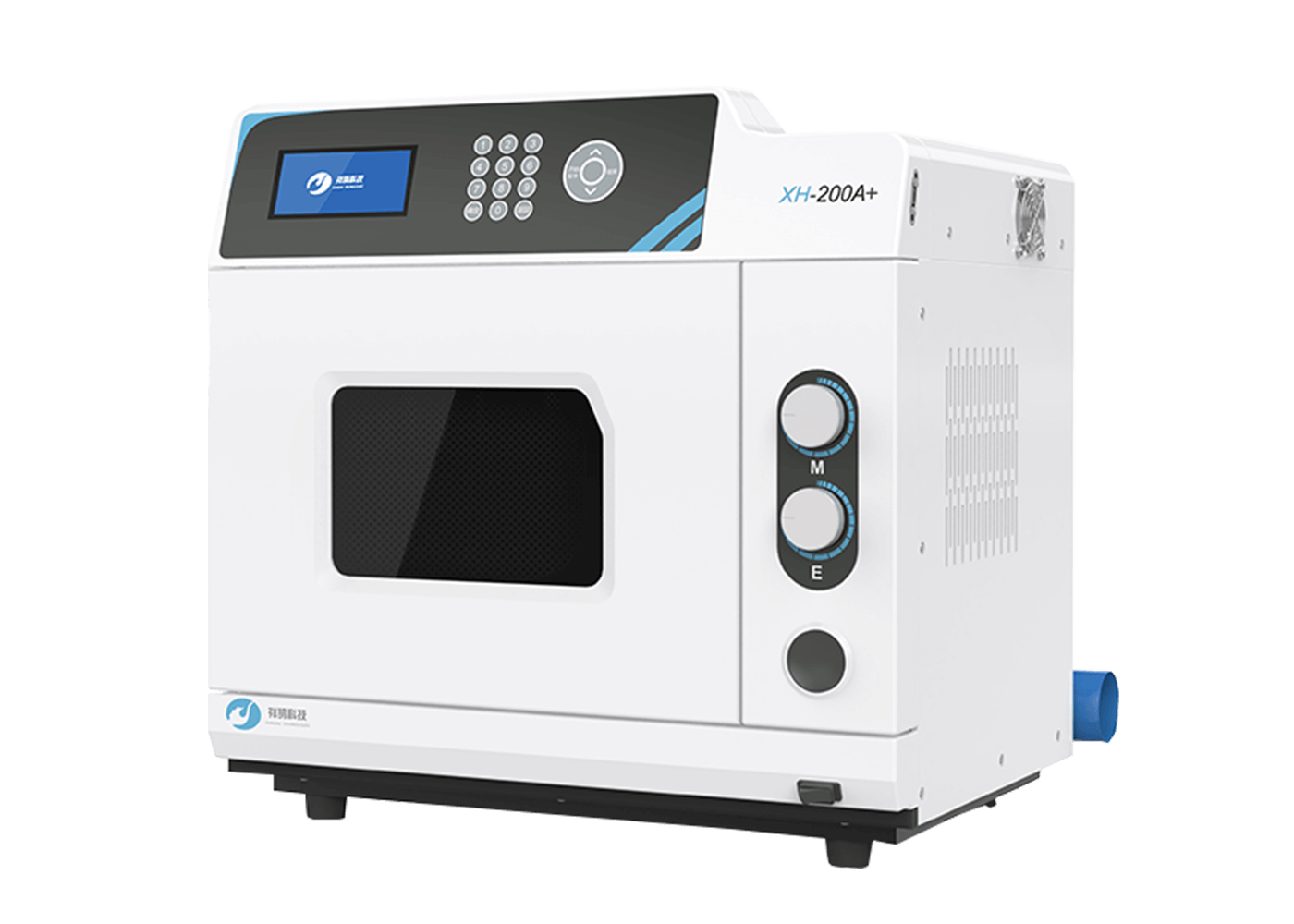
- Equipment: XH-200A / XH-200C
- Source: Food Research Internationalrnal, 2025
- Research direction: Research application
- Core conditions: Microwave power 210 W and Time 3 min
- Key results: Cobalt loading 78.14 mg/g
Research Abstract
Synthesis and characterization of a delivery system by combining cobalt (II) with soluble dietary fiber from Cyperus esculentus L. to regulate gut-derived neuroactive metabolite biosynthesis was published in Food Research Internationalrnal (2025) and is indexed as a Xianghu Q1 application case for XH-200A / XH-200C. The source record connects it with Research application. Core operating conditions include Microwave power 210 W and Time 3 min. Key reported results include Cobalt loading 78.14 mg/g.
Research Background and Problem
Equipment Use and Experimental Conditions
| Item | Parameter |
|---|---|
| Microwave power | 210 W |
| Time | 3 min |
Key Result
| Metric | Result |
|---|---|
| Cobalt loading | 78.14 mg/g |
Evidence Details
Equipment-detail evidence: source values include 1:0.8, 18%. Entities: CESDF-Co.
It was then placed in a microwave-assisted solid-phase synthesis extractor (Xianghu Technology Development Co., Ltd., Beijing, China) operating at a microwave power level of 210 W for heating under microwave radiation for 3 min.
In vitro fermentation demonstrated that CESDF-Co (II) significantly increased neuroactive-related amino acid precursors ... and neurotransmitters ... This enhancement positively correlated with increased production of total short-chain fatty acids (1.57-fold) and cobalt-dominated vitamin B12 synthesis (16.25-fold).
Additional source evidence: source values include 78.14 mg, 4.93-fold, 16.25-fold.
Mechanism / Method Highlights
- Method context: Microwave power 210 W and Time 3 min.
- Equipment-detail evidence: source values include 1:0.8, 18%. Entities: CESDF-Co
- Equipment evidence: It was then placed in a microwave-assisted solid-phase synthesis extractor (Xianghu Technology Development Co., Ltd., Beijing, China) operating at a microwave power level of 210 W for heating under microwave radiation for 3 min
- Source evidence: In vitro fermentation demonstrated that CESDF-Co (II) significantly increased neuroactive-related amino acid precursors ... and neurotransmitters ... This enhancement positively correlated with increased production of total short-chain fatty acids (1.57-fold) and cobalt-dominated vitamin B12 synthesis (16.25-fold)
- Reported outcome: Cobalt loading 78.14 mg/g.
Application Value
- Provides a peer-reviewed SoarNova / Xianghu Q1 application case for XH-200A / XH-200C.
- Supports English discovery around Research application.
- Preserves quantitative result evidence: Cobalt loading 78.14 mg/g.
- Maintains source-level evidence details: Equipment-detail evidence: source values include 1:0.8, 18%. Entities: CESDF-Co, Equipment evidence: It was then placed in a microwave-assisted solid-phase synthesis extractor (Xianghu Technology Development Co., Ltd., Beijing, China) operating at a microwave power level of 210 W for heating under microwave radiation for 3 min, Source evidence: In vitro fermentation demonstrated that CESDF-Co (II) significantly increased neuroactive-related amino acid precursors ... and neurotransmitters ... This enhancement positively correlated with increased production of total short-chain fatty acids (1.57-fold) and cobalt-dominated vitamin B12 synthesis (16.25-fold), and Additional source evidence: source values include 78.14 mg, 4.93-fold, 16.25-fold.
Related Equipment
FAQ
Which Xianghu instrument is covered by this page?
What research direction does this page support?
Which publication does this case come from?
Synthesis and characterization of a delivery system by combining cobalt (II) with soluble dietary fiber from Cyperus esculentus L. to regulate gut-derived neuroactive metabolite biosynthesis
Food Research Internationalrnal, 2025
DOI: 10.1016/j.foodres.2025.116356