Fact Snapshot
- Paper: Operando nuclear magnetic resonance decodes alkali-tuned proton-electron relay boosting CO2-to-formate conversion
- Equipment: XH-300 series
- Source: Nature Communications, 2026
- Research direction: Research application
- Core conditions: Temperature 60 °C, Microwave power 500 W, Ultrasonic power 500 W, and Time 10 min / 20 min / 12 h
- Key results: Formic acid selectivity 95.52% and Formic acid selectivity 13.69%
Research Abstract
Operando nuclear magnetic resonance decodes alkali-tuned proton-electron relay boosting CO2-to-formate conversion was published in Nature Communications (2026) and is indexed as a Xianghu Q1 application case for XH-300 series. The source record connects it with Research application. Core operating conditions include Temperature 60 °C, Microwave power 500 W, Ultrasonic power 500 W, and Time 10 min / 20 min / 12 h. Key reported results include Formic acid selectivity 95.52% and Formic acid selectivity 13.69%.
Research Background and Problem
Equipment Use and Experimental Conditions
| Item | Parameter |
|---|---|
| Temperature | 60 °C |
| Microwave power | 500 W |
| Ultrasonic power | 500 W |
| Time | 10 min / 20 min / 12 h |
Key Result
| Metric | Result |
|---|---|
| Formic acid selectivity | 95.52% |
| Formic acid selectivity | 13.69% |
Evidence Details
Through Li modification the selectivity of formate has been increased from 13.69% to 95.52% at 300 mA cm-2. Besides, the FEHCOO- reached ~90% even at 1.5 A cm-2.
Spectral deconvolution showed that the 1H13COO-/2H13COO- ratio was lower for BOC-Li (8.5%) than for BOC (10.3%), indicating a relative decrease in bicarbonate-mediated protonation and a correspondingly greater reliance on water-derived protons for BOC-Li.
The reaction was conducted under a constant temperature mode, with microwave and ultrasonic powers both set to 500 W. The temperature was ramped to 150 °C within 10 minutes and maintained for 20 minutes using an automated program.
Time: 10 min / 20 min / 12 h
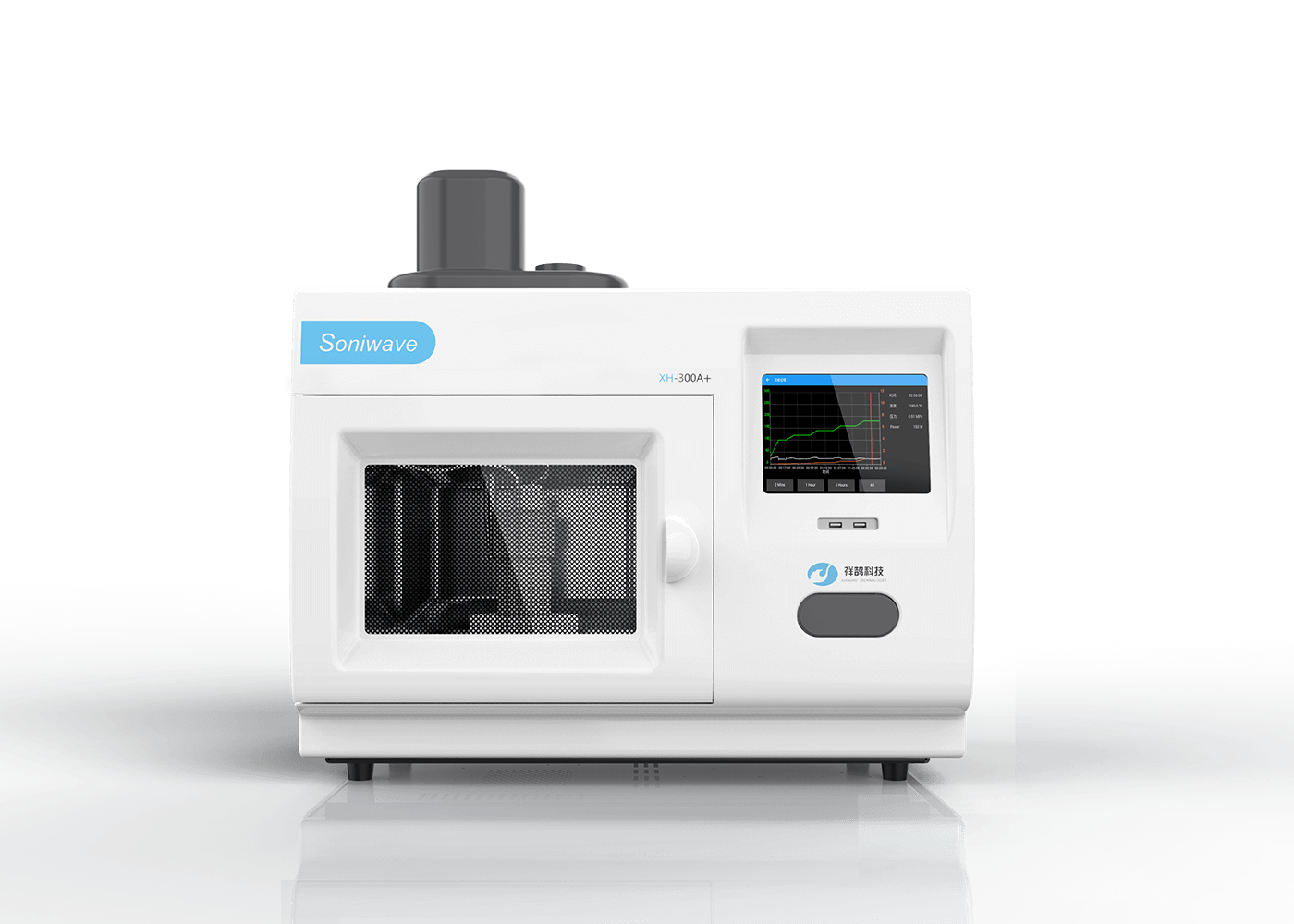
The flask was then connected to a microwave/ultrasonic synthesizer (XH-300A, Beijing Xianghu Science and Technology Development Co., Ltd.), equipped with a condensation setup.
Stability evidence: source values include 30 min, 3 h. Entities: BOC-Li.
BOC-Li demonstrates excellent operational stability over 289 hours at 100 mA cm-2 with the FEHCOO- over 95%.
Additional source evidence: source values include 3 h, 21 fold. Entities: BOC-Li.
Additional source evidence: source values include 95.5%, 90%. Entities: cm-2.
Additional source evidence: source values include 40.2%, 59.8%.
Additional source evidence: source values include 60 °C, 12 h.
Additional source evidence: source values include 289 h.
Additional source evidence: source values include 2H.
Mechanism / Method Highlights
- Method context: Temperature 60 °C, Microwave power 500 W, Ultrasonic power 500 W, and Time 10 min / 20 min / 12 h.
- Abstract evidence: Through Li modification the selectivity of formate has been increased from 13.69% to 95.52% at 300 mA cm-2. Besides, the FEHCOO- reached ~90% even at 1.5 A cm-2
- Source evidence: Spectral deconvolution showed that the 1H13COO-/2H13COO- ratio was lower for BOC-Li (8.5%) than for BOC (10.3%), indicating a relative decrease in bicarbonate-mediated protonation and a correspondingly greater reliance on water-derived protons for BOC-Li
- Source evidence: The reaction was conducted under a constant temperature mode, with microwave and ultrasonic powers both set to 500 W. The temperature was ramped to 150 °C within 10 minutes and maintained for 20 minutes using an automated program
- Reported outcome: Formic acid selectivity 95.52% and Formic acid selectivity 13.69%.
Application Value
- Provides a peer-reviewed SoarNova / Xianghu Q1 application case for XH-300 series.
- Supports English discovery around Research application.
- Preserves quantitative result evidence: Formic acid selectivity 95.52% and Formic acid selectivity 13.69%.
- Maintains source-level evidence details: Abstract evidence: Through Li modification the selectivity of formate has been increased from 13.69% to 95.52% at 300 mA cm-2. Besides, the FEHCOO- reached ~90% even at 1.5 A cm-2, Source evidence: Spectral deconvolution showed that the 1H13COO-/2H13COO- ratio was lower for BOC-Li (8.5%) than for BOC (10.3%), indicating a relative decrease in bicarbonate-mediated protonation and a correspondingly greater reliance on water-derived protons for BOC-Li, Source evidence: The reaction was conducted under a constant temperature mode, with microwave and ultrasonic powers both set to 500 W. The temperature was ramped to 150 °C within 10 minutes and maintained for 20 minutes using an automated program, and Condition evidence: Time: 10 min / 20 min / 12 h.
Related Equipment
FAQ
Which Xianghu instrument is covered by this page?
What research direction does this page support?
Which publication does this case come from?
Operando nuclear magnetic resonance decodes alkali-tuned proton-electron relay boosting CO2-to-formate conversion
Nature Communications, 2026
DOI: 10.1038/s41467-026-68604-z