Fact Snapshot
- Paper: Utilizing alkaline solid waste for low-carbon construction material via in-situ calcium phase design
- Equipment: XH-200A+ and XH-200A / XH-200C
- Source: Nature Communications, 2025
- Research direction: Industrial solid-waste valorization
- Core conditions: Temperature 105 °C, Microwave power 70 W, and Time 6 h / 16 min / 8 min
- Key results: Average porosity of pre-hydration group 3.9%, Average porosity of control group 8.7%, Material compressive strength 133.7%, and Early gel elastic modulus 30 GPa
Research Abstract
Utilizing alkaline solid waste for low-carbon construction material via in-situ calcium phase design was published in Nature Communications (2025) and is indexed as a Xianghu Q1 application case for XH-200A+ and XH-200A / XH-200C. The source record connects it with Industrial solid-waste valorization. Core operating conditions include Temperature 105 °C, Microwave power 70 W, and Time 6 h / 16 min / 8 min. Key reported results include Average porosity of pre-hydration group 3.9%, Average porosity of control group 8.7%, Material compressive strength 133.7%, and Early gel elastic modulus 30 GPa.
Research Background and Problem
Equipment Use and Experimental Conditions
| Item | Parameter |
|---|---|
| Temperature | 105 °C |
| Microwave power | 70 W |
| Time | 6 h / 16 min / 8 min |
Key Result
| Metric | Result |
|---|---|
| Material compressive strength | 133.7% |
| Early gel elastic modulus | 30 GPa |
| Compressive strength | 55.6 MPa |
| Elastic modulus | 50 GPa |
| Average porosity of pre-hydration group | 3.9% |
| Average porosity of control group | 8.7% |
Evidence Details
Energy-comparison evidence: source values include 133.7%, 34%, 40%. Entities: f-CaO, CO2-eq.
Energy-comparison evidence: source values include 34%, 40%. Entities: CO2-eq.
Equipment-detail evidence: source values include 1:2.
Room temperature (RT) curing: 20 ± 1 °C; Oven (OV) curing: 70 °C, 6 hours; Microwave (MW) curing: 70 W, 16 minutes.
Time: 6 h / 16 min / 8 min
Microwave-method evidence: source values include 8 min, 10 min.
Carbon footprint analysis indicates that the global-warming potential of the high-performance cementitious material (232–265 kg CO2-eq ton−1) is only about 34-40% of that of cement, helping to reduce about 2.2–3.0 Gt CO2-eq from the global cement market.
Additional source evidence: source values include 105 °C, 12 h.
Additional source evidence: source values include 8.7%, 3.9%.
Additional source evidence: source mentions XH-200A.
Mechanism / Method Highlights
- Method context: Temperature 105 °C, Microwave power 70 W, and Time 6 h / 16 min / 8 min.
- Energy-comparison evidence: source values include 133.7%, 34%, 40%. Entities: f-CaO, CO2-eq
- Energy-comparison evidence: source values include 34%, 40%. Entities: CO2-eq
- Equipment-detail evidence: source values include 1:2
- Reported outcome: Average porosity of pre-hydration group 3.9%, Average porosity of control group 8.7%, Material compressive strength 133.7%, and Early gel elastic modulus 30 GPa.
Application Value
- Provides a peer-reviewed SoarNova / Xianghu Q1 application case for XH-200A+ and XH-200A / XH-200C.
- Supports English discovery around Industrial solid-waste valorization.
- Preserves quantitative result evidence: Average porosity of pre-hydration group 3.9%, Average porosity of control group 8.7%, Material compressive strength 133.7%, and Early gel elastic modulus 30 GPa.
- Maintains source-level evidence details: Energy-comparison evidence: source values include 133.7%, 34%, 40%. Entities: f-CaO, CO2-eq, Energy-comparison evidence: source values include 34%, 40%. Entities: CO2-eq, Equipment-detail evidence: source values include 1:2, and Source evidence: Room temperature (RT) curing: 20 ± 1 °C; Oven (OV) curing: 70 °C, 6 hours; Microwave (MW) curing: 70 W, 16 minutes.
Related Equipment
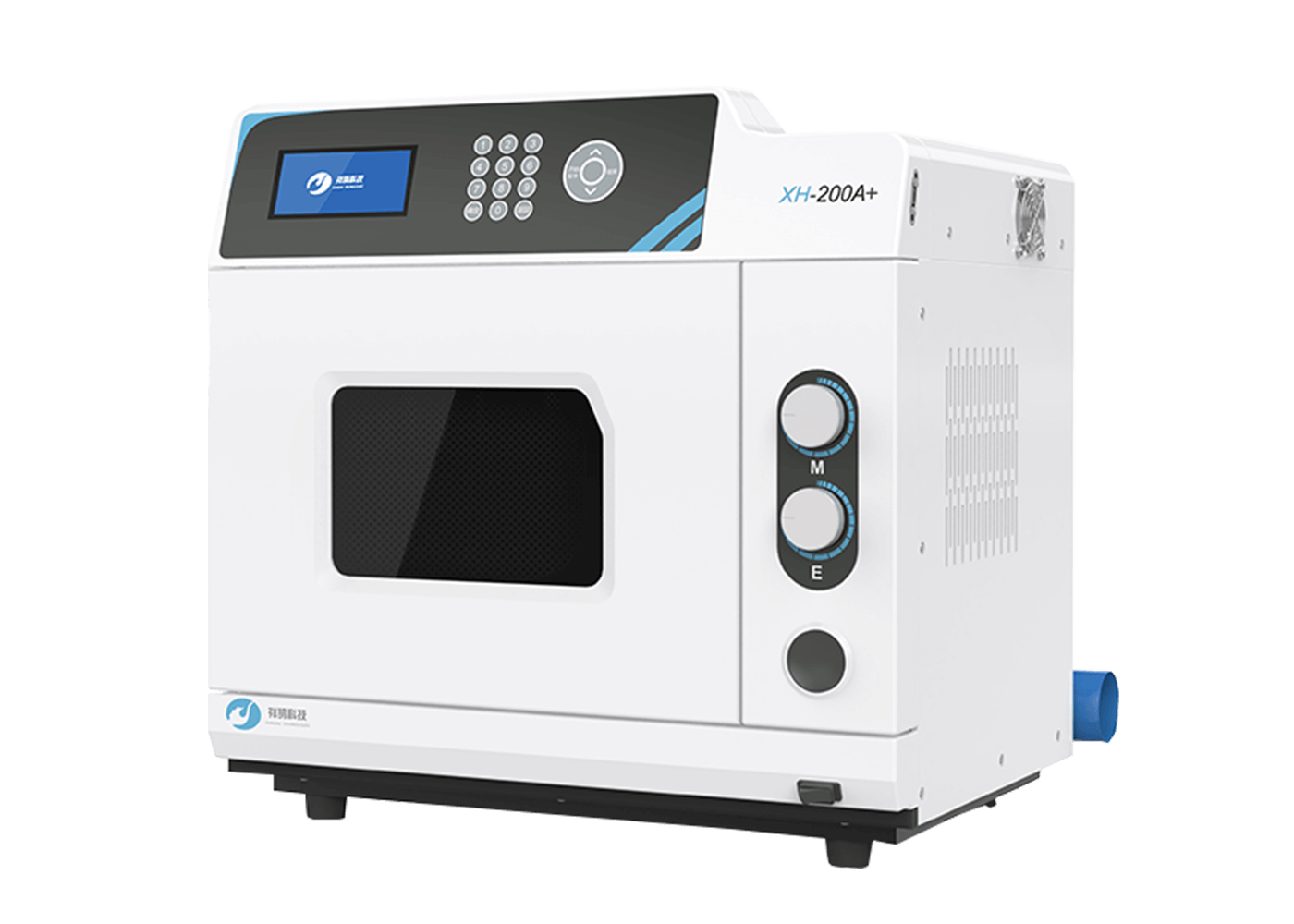
FAQ
Which Xianghu instrument is covered by this page?
What is the main application direction?
Which publication does this case come from?
Utilizing alkaline solid waste for low-carbon construction material via in-situ calcium phase design
Nature Communications, 2025
DOI: 10.1038/s41467-025-62488-1