Fact Snapshot
- Paper: Sulfation on polysaccharides from Zizania latifolia extracted using ultrasound: Characterization, antioxidant and anti-non-small cell lung cancer activities.
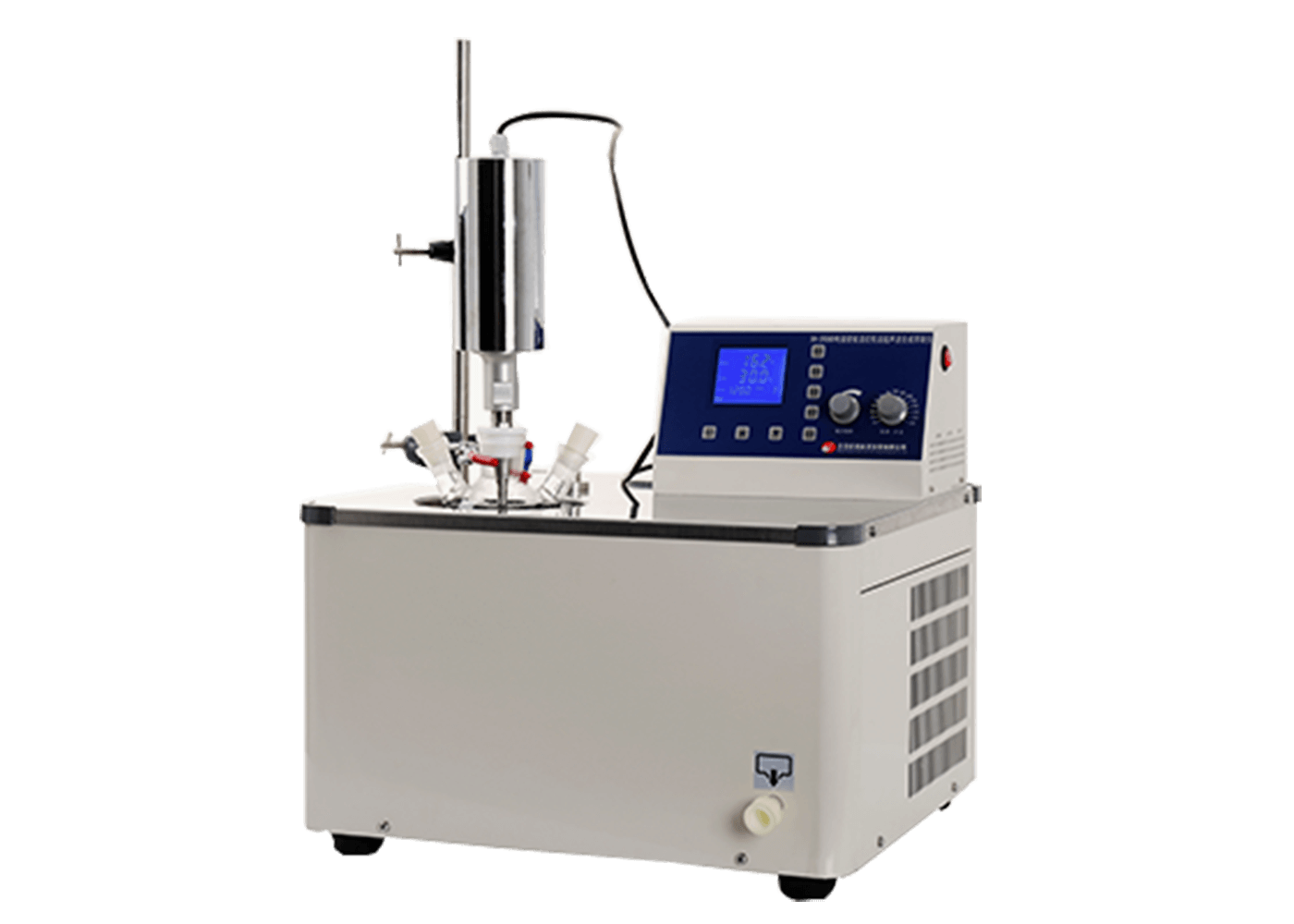
- Equipment: XH-2008D
- Source: Ultrasonics Sonochemistry, 2024
- Research direction: Research application
- Core conditions: Ultrasonic power 300 W / 500 W, Temperature 60 °C, Power 300 W, and Time 30 min
- Key results: Free radical scavenging rate 63.3 ± 5.71%, Yield 16.9 ± 2.10%, and Polysaccharide yield 16.9 ± 2.10%
Research Abstract
Sulfation on polysaccharides from Zizania latifolia extracted using ultrasound: Characterization, antioxidant and anti-non-small cell lung cancer activities. was published in Ultrasonics Sonochemistry (2024) and is indexed as a Xianghu Q1 application case for XH-2008D. The source record connects it with Research application. Core operating conditions include Ultrasonic power 300 W / 500 W, Temperature 60 °C, Power 300 W, and Time 30 min. Key reported results include Free radical scavenging rate 63.3 ± 5.71%, Yield 16.9 ± 2.10%, and Polysaccharide yield 16.9 ± 2.10%.
Research Background and Problem
Equipment Use and Experimental Conditions
| Item | Parameter |
|---|---|
| Ultrasonic power | 300 W / 500 W |
| Temperature | 60 °C |
| Power | 300 W |
| Time | 30 min |
Key Result
| Metric | Result |
|---|---|
| Yield | 16.9 ± 2.10% |
| Free radical scavenging rate | 63.3 ± 5.71% |
Evidence Details
The optimal ultrasonic power for ZLP extraction was screened out to be 300 W, under which the yield was 16.9 ± 2.10 %, and the scavenging rate against DPPH radical was 63.3 ± 5.71 %
SZLP-2 also exerted promising anti-NSCLC potency via inhibiting A549 cell proliferation, with a median inhibition concentration (IC50) of 0.57 ± 0.01 mg/mL at 72 h
moved to a XH-2008D ultrasonic extraction instrument (XiangHu Technologies, Beijing, China)
markedly smaller than that of unmodified ZLP (0.78 ± 0.04 mg/mL)
Ultrasonic power: 300 W / 500 W
Temperature: 60 °C
Time: 30 min
Mechanism / Method Highlights
- Method context: Ultrasonic power 300 W / 500 W, Temperature 60 °C, Power 300 W, and Time 30 min.
- Source evidence: The optimal ultrasonic power for ZLP extraction was screened out to be 300 W, under which the yield was 16.9 ± 2.10 %, and the scavenging rate against DPPH radical was 63.3 ± 5.71 %
- Source evidence: SZLP-2 also exerted promising anti-NSCLC potency via inhibiting A549 cell proliferation, with a median inhibition concentration (IC50) of 0.57 ± 0.01 mg/mL at 72 h
- Equipment evidence: moved to a XH-2008D ultrasonic extraction instrument (XiangHu Technologies, Beijing, China)
- Reported outcome: Free radical scavenging rate 63.3 ± 5.71%, Yield 16.9 ± 2.10%, and Polysaccharide yield 16.9 ± 2.10%.
Application Value
- Provides a peer-reviewed SoarNova / Xianghu Q1 application case for XH-2008D.
- Supports English discovery around Research application.
- Preserves quantitative result evidence: Free radical scavenging rate 63.3 ± 5.71%, Yield 16.9 ± 2.10%, and Polysaccharide yield 16.9 ± 2.10%.
- Maintains source-level evidence details: Source evidence: The optimal ultrasonic power for ZLP extraction was screened out to be 300 W, under which the yield was 16.9 ± 2.10 %, and the scavenging rate against DPPH radical was 63.3 ± 5.71 %, Source evidence: SZLP-2 also exerted promising anti-NSCLC potency via inhibiting A549 cell proliferation, with a median inhibition concentration (IC50) of 0.57 ± 0.01 mg/mL at 72 h, Equipment evidence: moved to a XH-2008D ultrasonic extraction instrument (XiangHu Technologies, Beijing, China), and Source evidence: markedly smaller than that of unmodified ZLP (0.78 ± 0.04 mg/mL).
Related Equipment
FAQ
Which Xianghu instrument is covered by this page?
What research direction does this page support?
Which publication does this case come from?
Sulfation on polysaccharides from Zizania latifolia extracted using ultrasound: Characterization, antioxidant and anti-non-small cell lung cancer activities.
Ultrasonics Sonochemistry, 2024
DOI: 10.1016/j.ultsonch.2024.106803