Fact Snapshot
- Paper: Ultrasonic-assisted extraction brings high-yield polysaccharides from Kangxian flowers with cosmetic potential.
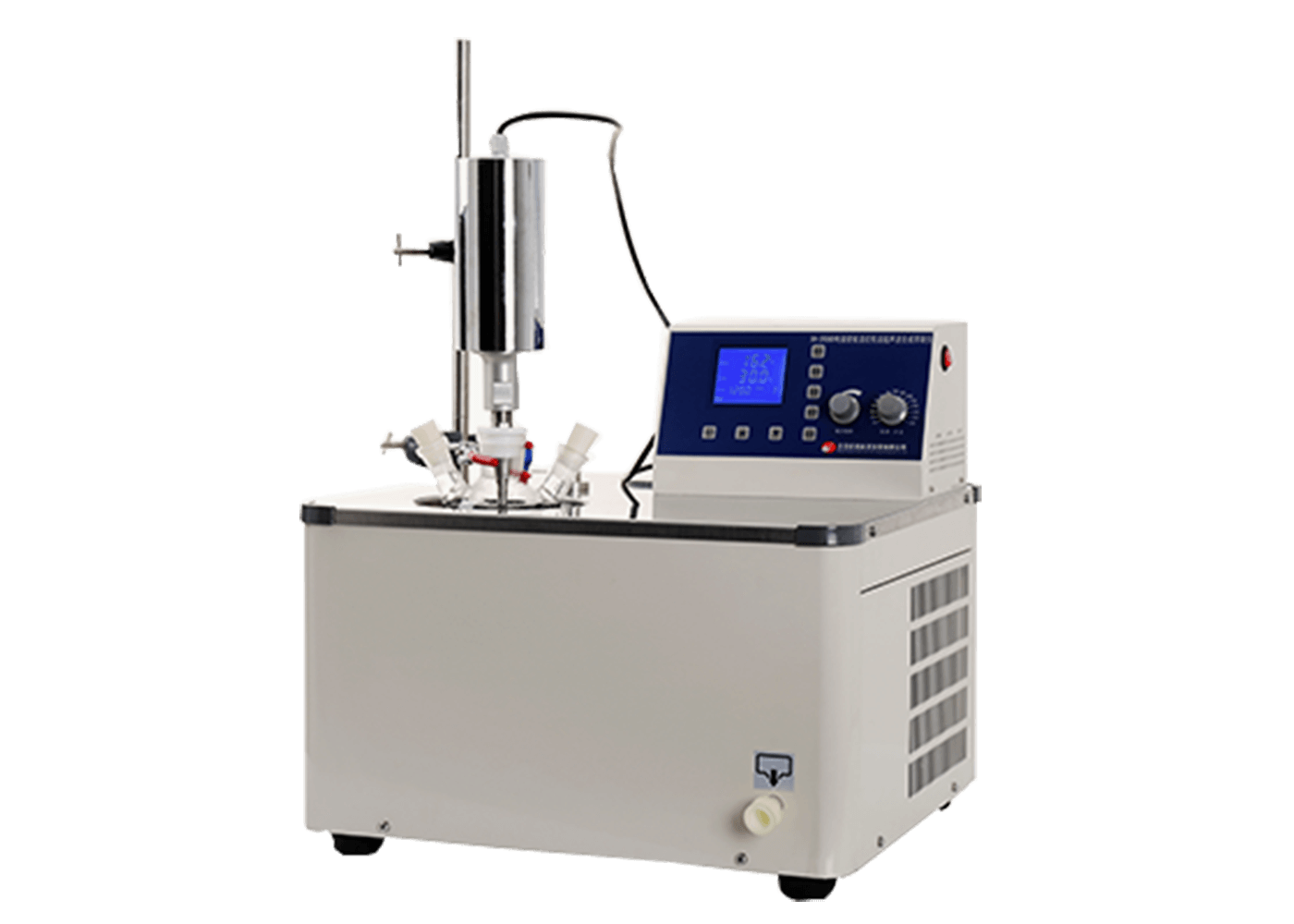
- Equipment: XH-2008D
- Source: Ultrasonics Sonochemistry, 2023
- Research direction: ultrasound-enhanced
- Core conditions: Ultrasonic power 404 W, Temperature 66 ℃, and Time 48 min
- Key results: Average zeta potential -16.3 mV, Moisture retention 95.6 ± 0.69%, and Yield 26.8 ± 1.76%
Research Abstract
Ultrasonic-assisted extraction brings high-yield polysaccharides from Kangxian flowers with cosmetic potential. was published in Ultrasonics Sonochemistry (2023) and is indexed as a Xianghu Q1 application case for XH-2008D. The source record connects it with ultrasound-enhanced. Core operating conditions include Ultrasonic power 404 W, Temperature 66 ℃, and Time 48 min. Key reported results include Average zeta potential -16.3 mV, Moisture retention 95.6 ± 0.69%, and Yield 26.8 ± 1.76%.
Research Background and Problem
Equipment Use and Experimental Conditions
| Item | Parameter |
|---|---|
| Ultrasonic power | 404 W |
| Temperature | 66 ℃ |
| Time | 48 min |
Key Result
| Metric | Result |
|---|---|
| Yield | 26.8 ± 1.76% |
| Average zeta potential | -16.3 mV |
| Moisture retention | 95.6 ± 0.69% |
Evidence Details
After being soaked in water for 4 h at various liquid-to-solid ratios (20: 1 – 60: 1 mL/g), the mixture suspension was placed in a XH-2008D ultrasonic extractor (Xianghu Technology, Beijing, China) and extracted at different powers (200 – 600 W) and temperatures (30 – 70℃) for 10 – 50 min.
According to response surface methodology, the optimal UAE for PKFs were liquid-to-solid ratio of 59: 1 mL/g, ultrasonic power of 404 W, time of 48 min, and temperature of 66℃, under which the yield of PKFs reached 26.8 ± 1.76 %, 2.6-folds higher than hot-water extraction.
At 1 mg/L, the hydroxyl radical-scavenging rate reached 92.9 ± 2.14 % ... The scavenging rate maximized at 0.8 mg/mL was 85.8 ± 1.65 %, slightly lower than that of LAA (88.2 ± 1.81 %), but remarkable difference was not observed.
The moisture-preserving rate of PKFs at 48 h was 95.6 ± 0.69 %, which was significantly higher than those of chitosan (92.1 ± 1.16 %) and glycerol (87.4 ± 1.04 %).
The PKFs yield with HWE was 10.4 ± 1.41 %, markedly lower (P < 0.01) than that of UAE (26.8 ± 1.76 %).
Yield evidence: source values include 26.8 ± 1.76%, 2.6 fold.
Mechanism / Method Highlights
- Method context: Ultrasonic power 404 W, Temperature 66 ℃, and Time 48 min.
- Equipment evidence: After being soaked in water for 4 h at various liquid-to-solid ratios (20: 1 – 60: 1 mL/g), the mixture suspension was placed in a XH-2008D ultrasonic extractor (Xianghu Technology, Beijing, China) and extracted at different powers (200 – 600 W) and temperatures (30 – 70℃) for 10 – 50 min
- Abstract evidence: According to response surface methodology, the optimal UAE for PKFs were liquid-to-solid ratio of 59: 1 mL/g, ultrasonic power of 404 W, time of 48 min, and temperature of 66℃, under which the yield of PKFs reached 26.8 ± 1.76 %, 2.6-folds higher than hot-water extraction
- Antioxidant evidence: At 1 mg/L, the hydroxyl radical-scavenging rate reached 92.9 ± 2.14 % ... The scavenging rate maximized at 0.8 mg/mL was 85.8 ± 1.65 %, slightly lower than that of LAA (88.2 ± 1.81 %), but remarkable difference was not observed
- Reported outcome: Average zeta potential -16.3 mV, Moisture retention 95.6 ± 0.69%, and Yield 26.8 ± 1.76%.
Application Value
- Provides a peer-reviewed SoarNova / Xianghu Q1 application case for XH-2008D.
- Supports English discovery around ultrasound-enhanced.
- Preserves quantitative result evidence: Average zeta potential -16.3 mV, Moisture retention 95.6 ± 0.69%, and Yield 26.8 ± 1.76%.
- Maintains source-level evidence details: Equipment evidence: After being soaked in water for 4 h at various liquid-to-solid ratios (20: 1 – 60: 1 mL/g), the mixture suspension was placed in a XH-2008D ultrasonic extractor (Xianghu Technology, Beijing, China) and extracted at different powers (200 – 600 W) and temperatures (30 – 70℃) for 10 – 50 min, Abstract evidence: According to response surface methodology, the optimal UAE for PKFs were liquid-to-solid ratio of 59: 1 mL/g, ultrasonic power of 404 W, time of 48 min, and temperature of 66℃, under which the yield of PKFs reached 26.8 ± 1.76 %, 2.6-folds higher than hot-water extraction, Antioxidant evidence: At 1 mg/L, the hydroxyl radical-scavenging rate reached 92.9 ± 2.14 % ... The scavenging rate maximized at 0.8 mg/mL was 85.8 ± 1.65 %, slightly lower than that of LAA (88.2 ± 1.81 %), but remarkable difference was not observed, and Source evidence: The moisture-preserving rate of PKFs at 48 h was 95.6 ± 0.69 %, which was significantly higher than those of chitosan (92.1 ± 1.16 %) and glycerol (87.4 ± 1.04 %).
Related Equipment
FAQ
Which Xianghu instrument is covered by this page?
What is the main application direction?
Which publication does this case come from?
Ultrasonic-assisted extraction brings high-yield polysaccharides from Kangxian flowers with cosmetic potential.
Ultrasonics Sonochemistry, 2023
DOI: 10.1016/j.ultsonch.2023.106626