Fact Snapshot
- Paper: Influence of physicochemical changes and aggregation behavior induced by ultrasound irradiation on the antioxidant effect of highland barley β-glucan.
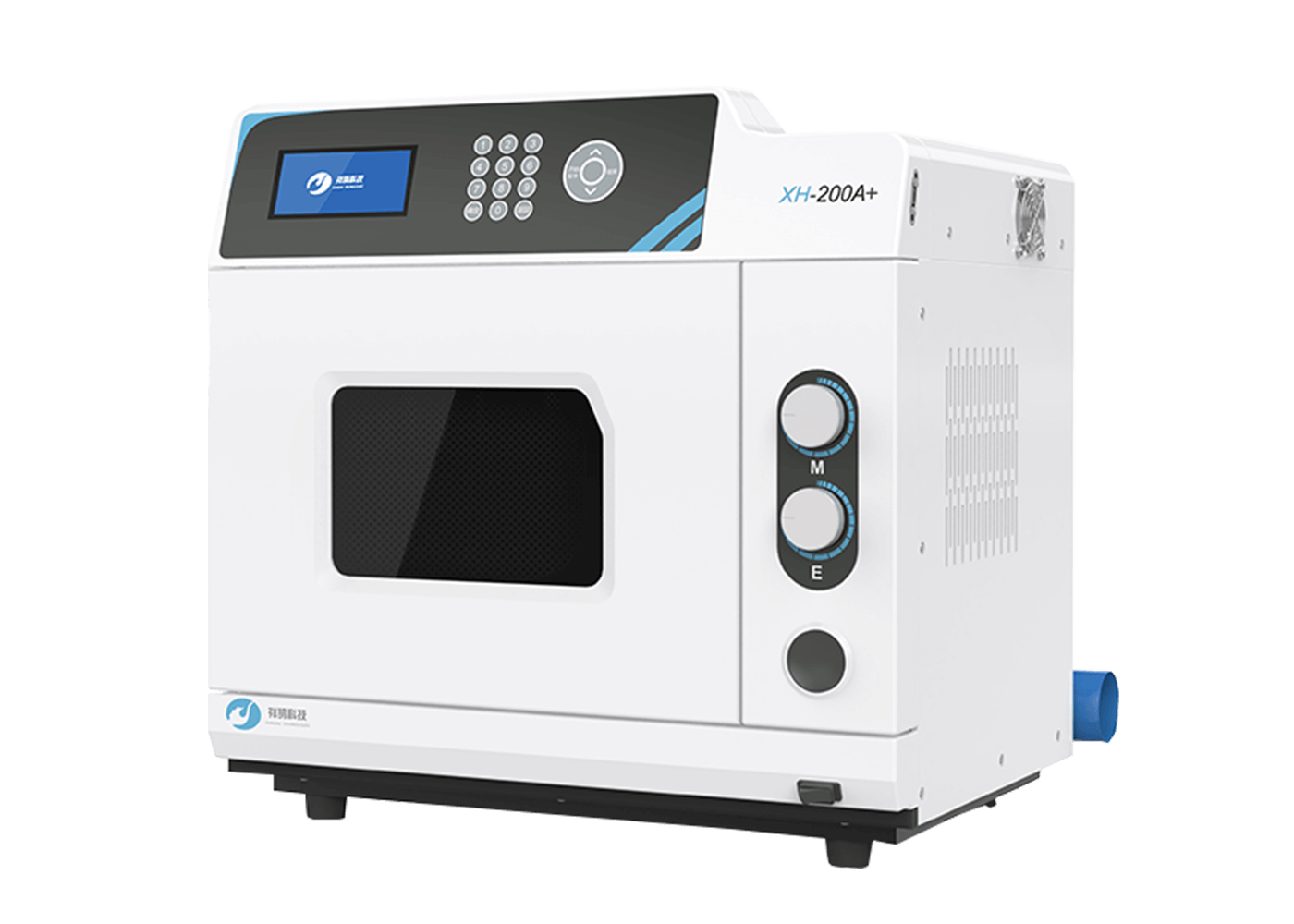
- Equipment: XH-200A / XH-200C
- Source: Food Chemistry: X, 2023
- Research direction: Research application
- Core conditions: Time 30 min
Research Abstract
Influence of physicochemical changes and aggregation behavior induced by ultrasound irradiation on the antioxidant effect of highland barley β-glucan. was published in Food Chemistry: X (2023) and is indexed as a Xianghu Q1 application case for XH-200A / XH-200C. The source record connects it with Research application. Core operating conditions include Time 30 min.
Research Background and Problem
Equipment Use and Experimental Conditions
| Item | Parameter |
|---|---|
| Time | 30 min |
Evidence Details
Equipment-detail evidence: source values include 1:20, 4000 g, 80 °C, 15 min.
The prepared powder (50 g) was spread in the 150 mm glass culture dish and placed at the center of the microwave Synthesis Platform (XH-200A, Xianghu, Beijing, China) with a 7 W/g power density for 120 s.
The basic parameters of HBG were extractability (3.42 ± 0.08 g/100 g flour) and purity (93.42 ± 0.68%).
Compared with the natural HBG without ultrasonic treatment, the inhibitory activity of HBG treated with ultrasonic treatment for 30 min was the highest, which was 84.36%.
The solubility of HBG increased first and then decreased, reaching the maximum value of 93.6 ± 1.12% at 30 min.
Mechanism / Method Highlights
- Method context: Time 30 min.
- Equipment-detail evidence: source values include 1:20, 4000 g, 80 °C, 15 min
- Equipment evidence: The prepared powder (50 g) was spread in the 150 mm glass culture dish and placed at the center of the microwave Synthesis Platform (XH-200A, Xianghu, Beijing, China) with a 7 W/g power density for 120 s
- Source evidence: The basic parameters of HBG were extractability (3.42 ± 0.08 g/100 g flour) and purity (93.42 ± 0.68%)
Application Value
- Provides a peer-reviewed SoarNova / Xianghu Q1 application case for XH-200A / XH-200C.
- Supports English discovery around Research application.
- Maintains source-level evidence details: Equipment-detail evidence: source values include 1:20, 4000 g, 80 °C, 15 min, Equipment evidence: The prepared powder (50 g) was spread in the 150 mm glass culture dish and placed at the center of the microwave Synthesis Platform (XH-200A, Xianghu, Beijing, China) with a 7 W/g power density for 120 s, Source evidence: The basic parameters of HBG were extractability (3.42 ± 0.08 g/100 g flour) and purity (93.42 ± 0.68%), and Antioxidant evidence: Compared with the natural HBG without ultrasonic treatment, the inhibitory activity of HBG treated with ultrasonic treatment for 30 min was the highest, which was 84.36%.
Related Equipment
FAQ
Which Xianghu instrument is covered by this page?
What research direction does this page support?
Which publication does this case come from?
Influence of physicochemical changes and aggregation behavior induced by ultrasound irradiation on the antioxidant effect of highland barley β-glucan.
Food Chemistry: X, 2023
DOI: 10.1016/j.fochx.2023.100793