Fact Snapshot
- Paper: Probing the microwave induced overheating at electrode surface using a combined electrochemical and fluorescence method
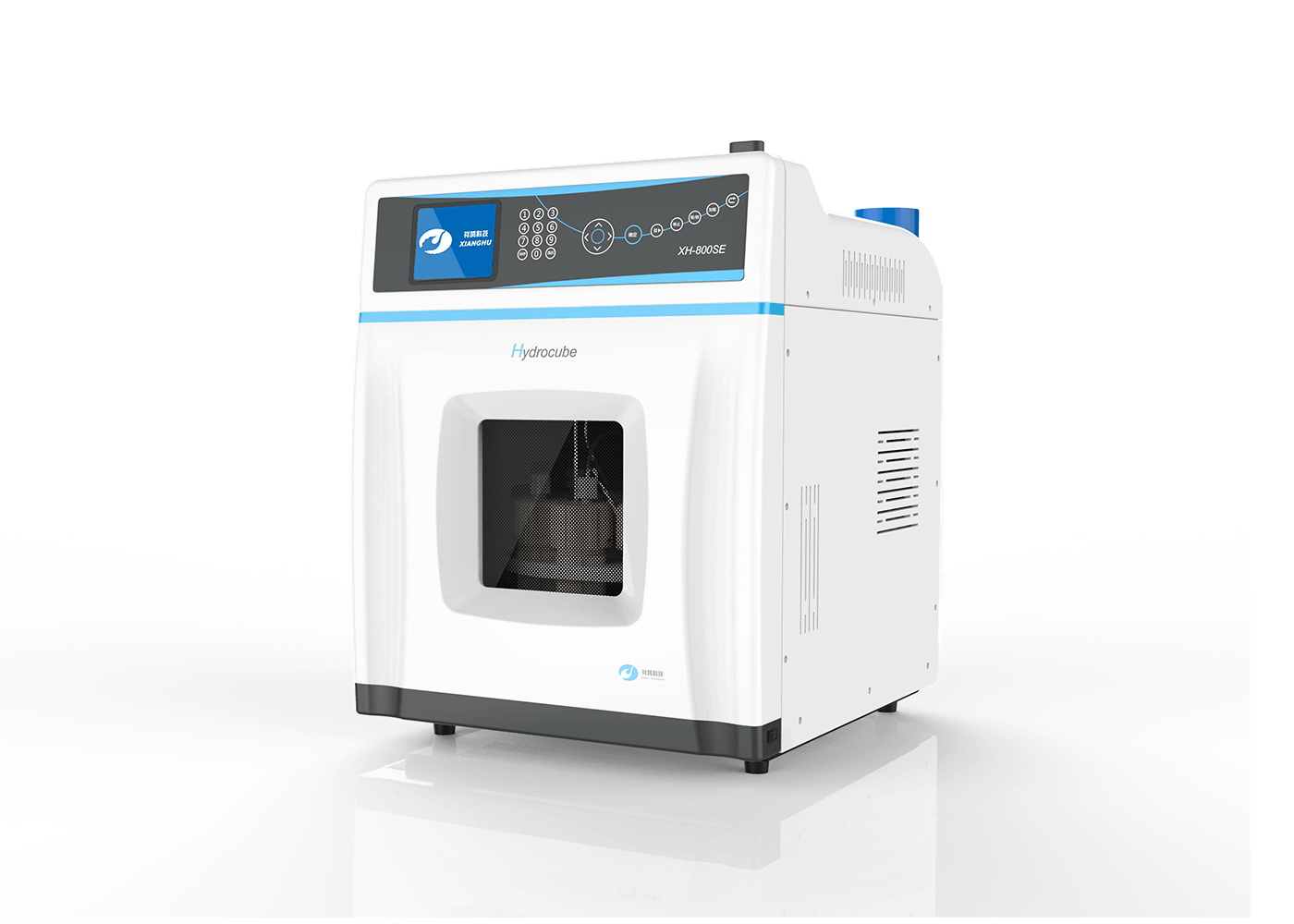
- Equipment: XH-800S
- Source: Chemical Engineering Journal, 2025
- Research direction: MOF
- Core conditions: Temperature 120 ℃ / 80 ℃, Microwave power 1000 W / 25 W, and Power 1000 W
Research Abstract
Probing the microwave induced overheating at electrode surface using a combined electrochemical and fluorescence method was published in Chemical Engineering Journal (2025) and is indexed as a Xianghu Q1 application case for XH-800S. The structured source links this paper to MOF. Core operating conditions include Temperature 120 ℃ / 80 ℃, Microwave power 1000 W / 25 W, and Power 1000 W. The DOI recorded for this paper is 10.1016/j.cej.2025.162643.
Research Background and Problem
Equipment Use and Experimental Conditions
| Item | Parameter |
|---|---|
| Temperature | 120 ℃ / 80 ℃ |
| Microwave power | 1000 W / 25 W |
| Power | 1000 W |
| Time | 2.5 h / 24 h |
Evidence Details
Microwave-method evidence: source values include 120 °C, 1000 W, 2.5 h. Entities: XH-800SE, NDI-MOF.
Additional source evidence: source values include 30 mL, 112.7 mg, 171.3 mg, 20 mL.
Microwave-method evidence: source values include 25 W, 32 W, 56 W.
Before performing the MW heating experiments, we analyzed the distribution of the electromagnetic field in the microwave equipment using numerical simulations ... The ITO/Tb-MOF electrode system was subjected to microwave irradiation at 25 W, and the MW generator was turned off after 15 s to prevent solvent boiling.
Additional source evidence: source values include 56 W, 4.7 °C, 2.7-4.7 °C.
Microwave-method evidence: source values include 25 W, 2.6 °C. Entities: Tb-MOF.
Additional source evidence: source values include 32 W, 4.0 °C.
Additional source evidence: source values include 25 W, 79 °C.
Additional source evidence: source values include 80 °C, 24 h.
Mechanism / Method Highlights
- Method context: Temperature 120 ℃ / 80 ℃, Microwave power 1000 W / 25 W, Power 1000 W, and Time 2.5 h / 24 h.
- Microwave-method evidence: source values include 120 °C, 1000 W, 2.5 h. Entities: XH-800SE, NDI-MOF
- Additional source evidence: source values include 30 mL, 112.7 mg, 171.3 mg, 20 mL
- Microwave-method evidence: source values include 25 W, 32 W, 56 W
Application Value
- Positions XH-800S in a peer-reviewed Q1 research application.
- Records source affiliations: Tianjin University.
Related Equipment
FAQ
Which Xianghu instrument is covered by this page?
What is the main application direction?
Which publication does this case come from?
Probing the microwave induced overheating at electrode surface using a combined electrochemical and fluorescence method
Chemical Engineering Journal, 2025
DOI: 10.1016/j.cej.2025.162643