Fact Snapshot
- Paper: Transformation of organic wastewater into biomethane using a bioelectrochemical system with varying applied voltages
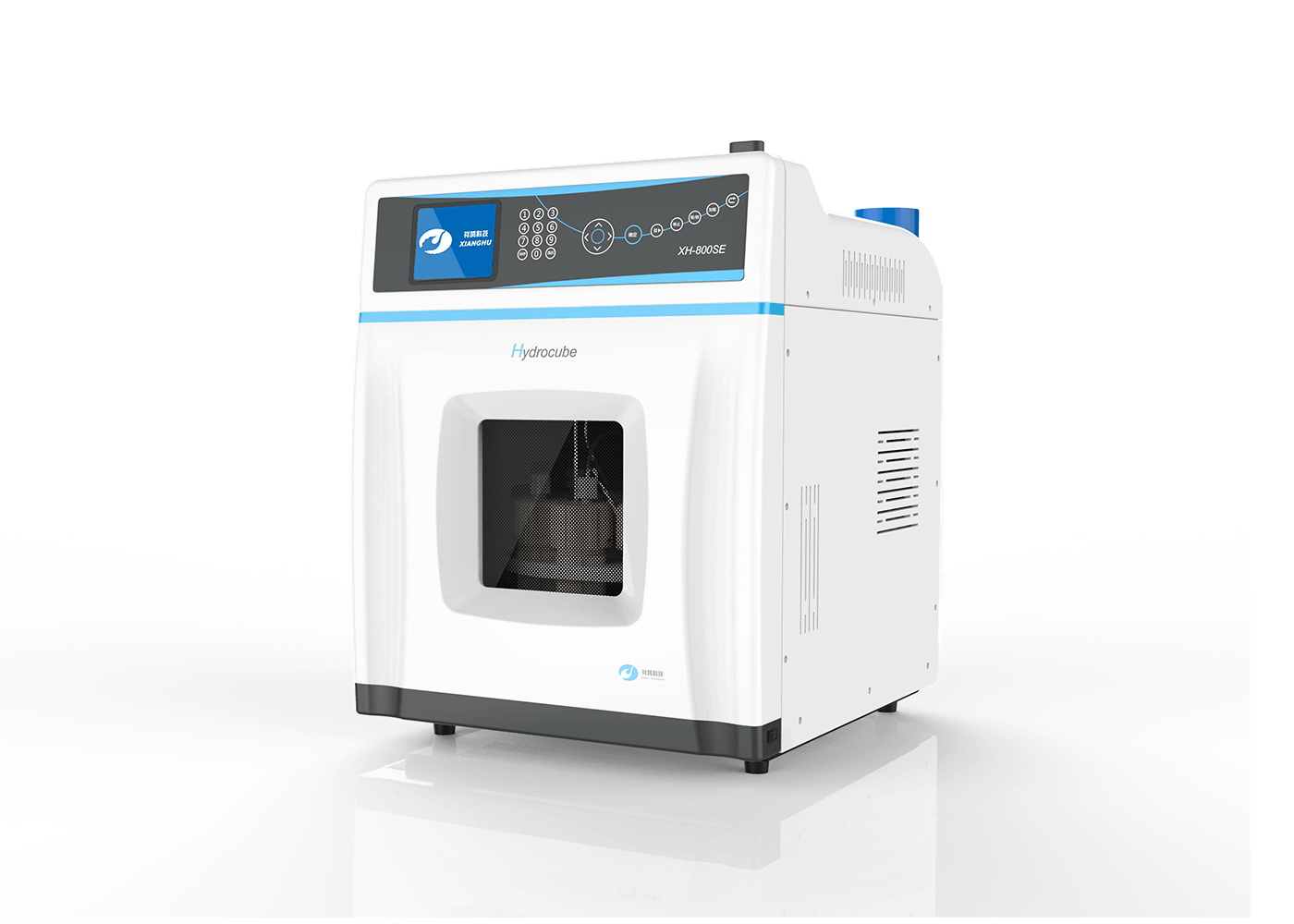
- Equipment: XH-800S
- Source: Renewable Energy, 2025
- Research direction: Research application
- Core conditions: Power 1600 W and Pressure 6 MPa
- Key results: Removal 76.24%, Volatile fatty acid utilization 60.41%, Cumulative methane yield 36.66%, and Removal 81.42%
Research Abstract
Transformation of organic wastewater into biomethane using a bioelectrochemical system with varying applied voltages was published in Renewable Energy (2025) and is indexed as a Xianghu Q1 application case for XH-800S. The source record connects it with Research application. Core operating conditions include Power 1600 W and Pressure 6 MPa. Key reported results include Removal 76.24%, Volatile fatty acid utilization 60.41%, Cumulative methane yield 36.66%, and Removal 81.42%.
Research Background and Problem
Equipment Use and Experimental Conditions
| Item | Parameter |
|---|---|
| Power | 1600 W |
| Pressure | 6 MPa |
Key Result
| Metric | Result |
|---|---|
| Removal | 76.24% |
| Removal | 81.42% |
| Volatile fatty acid utilization | 60.41% |
| Cumulative methane yield | 36.66% |
| Optimal operating voltage | 0.80 V |
Evidence Details
the reactor, when subjected to an applied voltage of 0.80 V, exhibited the highest utilization of volatile fatty acids (VFAs), chemical oxygen degradation (COD) removal, and total phenol removal (60.41 %, 81.42 %, and 76.24 %, respectively).
it demonstrated the highest cumulative methane production (27.10 mL) at this voltage, marking a significant 36.66 % increase compared to the control group.
Corn straw was pretreated using a microwave hydrothermal synthesizer (XH-800SE, Xianghu Science Co., Ltd., China)
Additional source evidence: source values include 0-1600 W, 0-260 °C.
Power: 1600 W
Mechanism / Method Highlights
- Method context: Power 1600 W and Pressure 6 MPa.
- Abstract evidence: the reactor, when subjected to an applied voltage of 0.80 V, exhibited the highest utilization of volatile fatty acids (VFAs), chemical oxygen degradation (COD) removal, and total phenol removal (60.41 %, 81.42 %, and 76.24 %, respectively)
- Source evidence: it demonstrated the highest cumulative methane production (27.10 mL) at this voltage, marking a significant 36.66 % increase compared to the control group
- Equipment evidence: Corn straw was pretreated using a microwave hydrothermal synthesizer (XH-800SE, Xianghu Science Co., Ltd., China)
- Reported outcome: Removal 76.24%, Volatile fatty acid utilization 60.41%, Cumulative methane yield 36.66%, and Removal 81.42%.
Application Value
- Provides a peer-reviewed SoarNova / Xianghu Q1 application case for XH-800S.
- Supports English discovery around Research application.
- Preserves quantitative result evidence: Removal 76.24%, Volatile fatty acid utilization 60.41%, Cumulative methane yield 36.66%, and Removal 81.42%.
- Maintains source-level evidence details: Abstract evidence: the reactor, when subjected to an applied voltage of 0.80 V, exhibited the highest utilization of volatile fatty acids (VFAs), chemical oxygen degradation (COD) removal, and total phenol removal (60.41 %, 81.42 %, and 76.24 %, respectively), Source evidence: it demonstrated the highest cumulative methane production (27.10 mL) at this voltage, marking a significant 36.66 % increase compared to the control group, Equipment evidence: Corn straw was pretreated using a microwave hydrothermal synthesizer (XH-800SE, Xianghu Science Co., Ltd., China), and Additional source evidence: source values include 0-1600 W, 0-260 °C.
Related Equipment
FAQ
Which Xianghu instrument is covered by this page?
What research direction does this page support?
Which publication does this case come from?
Transformation of organic wastewater into biomethane using a bioelectrochemical system with varying applied voltages
Renewable Energy, 2025
DOI: 10.1016/j.renene.2025.123096