Fact Snapshot
- Paper: Effect of lard-derived diacylglycerol on the physicochemical properties and quality of frankfurters
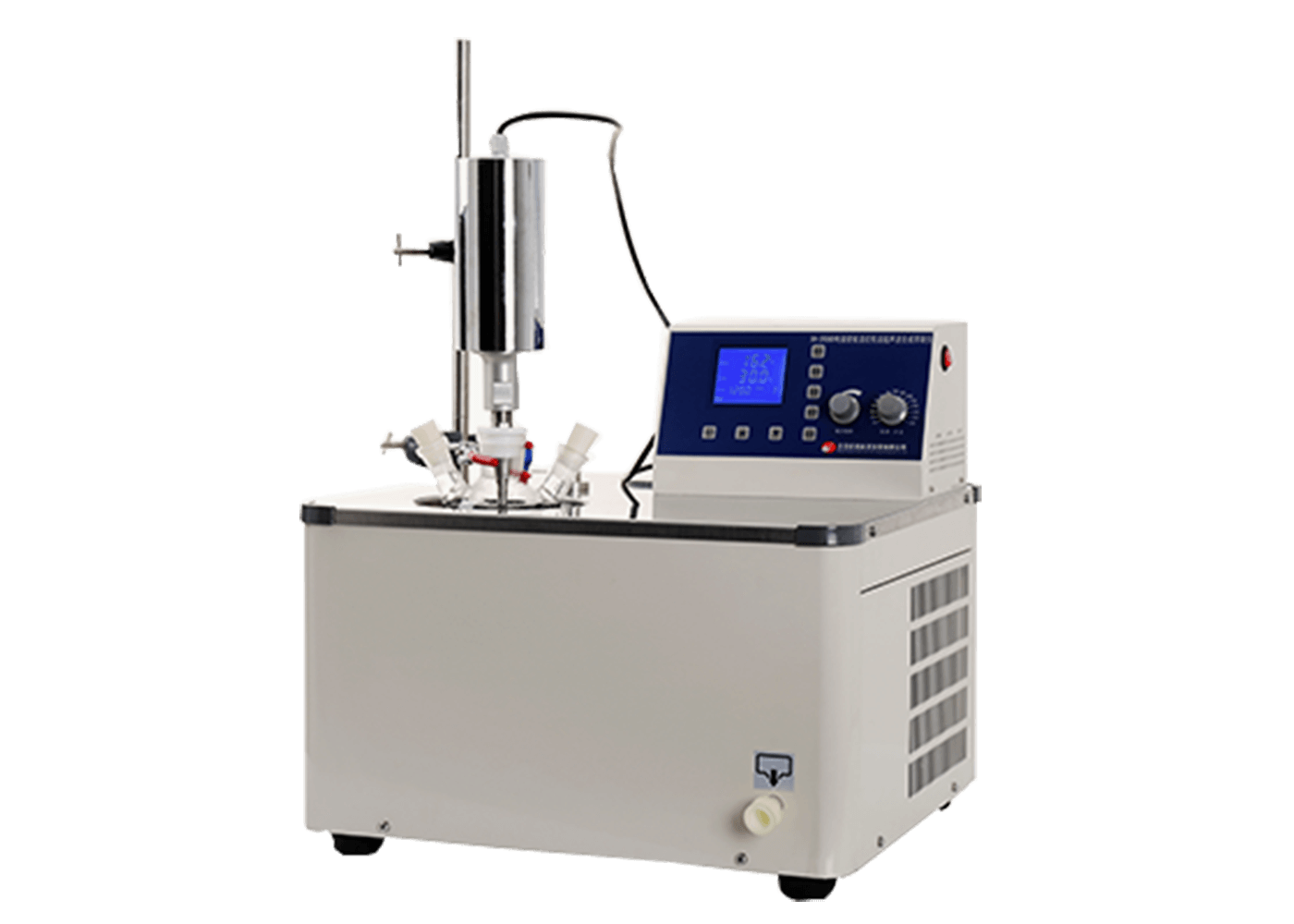
- Equipment: XH-2008D
- Source: Journal of theScience of Food and Agriculture, 2025
- Research direction: Research application
- Core conditions: Temperature 50 °C / 45 °C, Ultrasonic power 250 W, and Time 5 min / 4 h
Research Abstract
Effect of lard-derived diacylglycerol on the physicochemical properties and quality of frankfurters was published in Journal of theScience of Food and Agriculture (2025) and is indexed as a Xianghu Q1 application case for XH-2008D. The source record connects it with Research application. Core operating conditions include Temperature 50 °C / 45 °C, Ultrasonic power 250 W, and Time 5 min / 4 h.
Research Background and Problem
Equipment Use and Experimental Conditions
| Item | Parameter |
|---|---|
| Temperature | 50 °C / 45 °C |
| Ultrasonic power | 250 W |
| Time | 5 min / 4 h |
Evidence Details
The 100% lard group had the lowest emulsion stability with the highest total released liquid (9.48%) and released fat (8.53%) (P < 0.05), whereas the 100% PDG group had the highest emulsion stability, with total released liquid and released fat reduced to 0.26% and 0.01%, respectively (P < 0.05).
Then, the mixture was incubated in an XH-2008D ultrasonic instrument (Xianghu Development Co., Ltd, Beijing, China), and the microtip probe was immersed into the mixture for ultrasound pretreatment (45 °C for 5 min at 250 W).
Stability evidence: source values include 1000 g, 500 g, 30 g, 8 g, 0.15 g.
Composition evidence: source values include 0%, 25%, 50%, 100%. Entities: lard-derived.
Release evidence: source values include 18.70%, 0.38%, 8.53%, 0.01%.
After ultrasonic pretreatment, the mixture was kept in a shaking water bath at 50 °C for 4 h, followed by filtration and sample collection.
Mechanism / Method Highlights
- Method context: Temperature 50 °C / 45 °C, Ultrasonic power 250 W, and Time 5 min / 4 h.
- Source evidence: The 100% lard group had the lowest emulsion stability with the highest total released liquid (9.48%) and released fat (8.53%) (P < 0.05), whereas the 100% PDG group had the highest emulsion stability, with total released liquid and released fat reduced to 0.26% and 0.01%, respectively (P < 0.05)
- Equipment and method evidence: Then, the mixture was incubated in an XH-2008D ultrasonic instrument (Xianghu Development Co., Ltd, Beijing, China), and the microtip probe was immersed into the mixture for ultrasound pretreatment (45 °C for 5 min at 250 W)
- Stability evidence: source values include 1000 g, 500 g, 30 g, 8 g, 0.15 g
Application Value
- Provides a peer-reviewed SoarNova / Xianghu Q1 application case for XH-2008D.
- Supports English discovery around Research application.
- Maintains source-level evidence details: Source evidence: The 100% lard group had the lowest emulsion stability with the highest total released liquid (9.48%) and released fat (8.53%) (P < 0.05), whereas the 100% PDG group had the highest emulsion stability, with total released liquid and released fat reduced to 0.26% and 0.01%, respectively (P < 0.05), Equipment and method evidence: Then, the mixture was incubated in an XH-2008D ultrasonic instrument (Xianghu Development Co., Ltd, Beijing, China), and the microtip probe was immersed into the mixture for ultrasound pretreatment (45 °C for 5 min at 250 W), Stability evidence: source values include 1000 g, 500 g, 30 g, 8 g, 0.15 g, and Composition evidence: source values include 0%, 25%, 50%, 100%. Entities: lard-derived.
Related Equipment
FAQ
Which Xianghu instrument is covered by this page?
What research direction does this page support?
Which publication does this case come from?
Effect of lard-derived diacylglycerol on the physicochemical properties and quality of frankfurters
Journal of theScience of Food and Agriculture, 2025
DOI: 10.1002/jsfa.70021