Fact Snapshot
- Paper: Ultrasonic-microwave assisted extraction of selenium-rich rice branprotein: A study on its structural and physicochemical properties
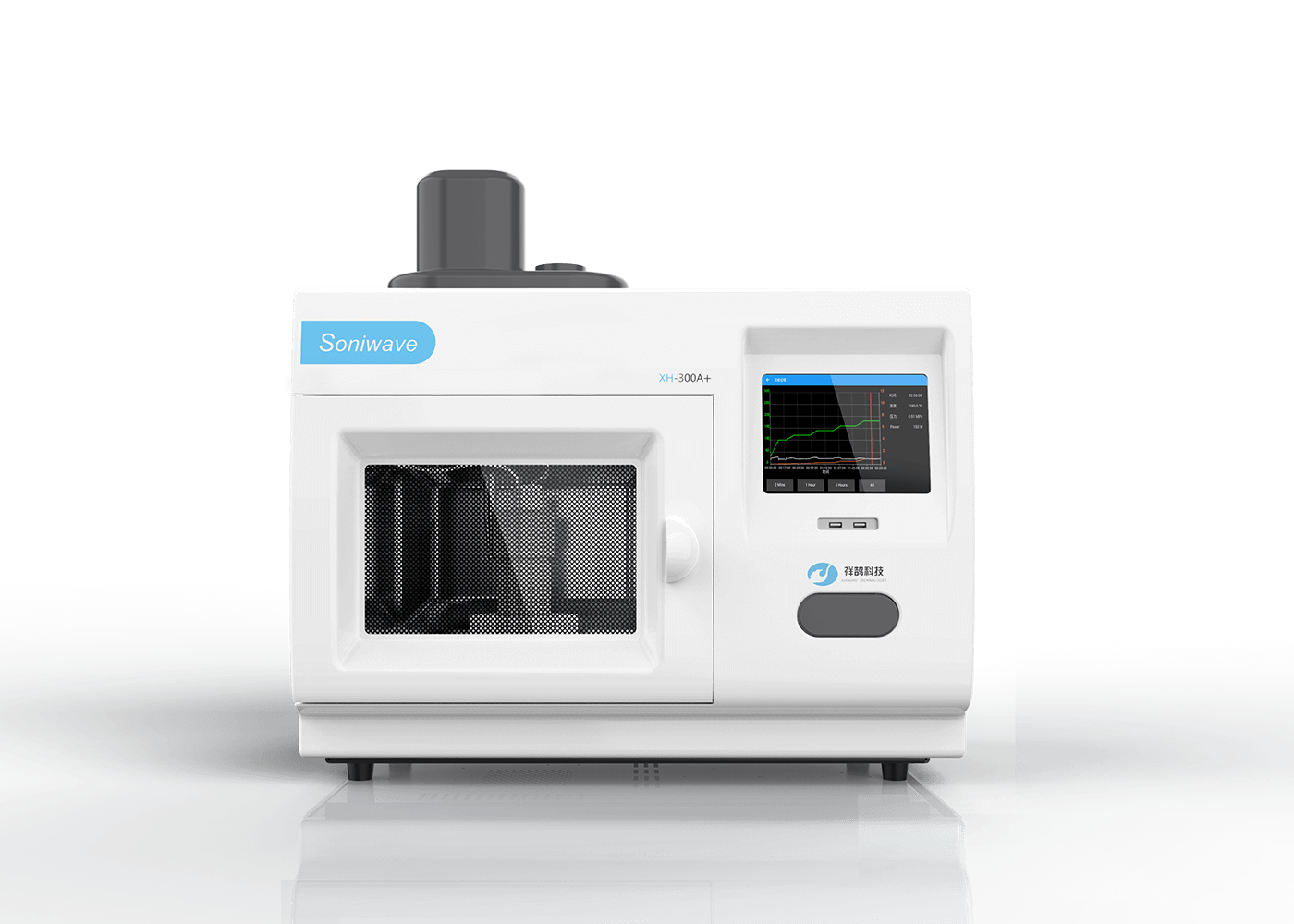
- Equipment: XH-300 series
- Source: LWT, 2024
- Research direction: ultrasonic-microwave synergistic intensification
- Core conditions: Ultrasonic power 600 W, Microwave power 500 W, Temperature 50 °C, and Time 20 min
- Key results: Emulsion stability 86.76%, Foaming capacity 188.63%, Average particle size 295.17 nm, and Average particle size 281.33 nm
Research Abstract
Ultrasonic-microwave assisted extraction of selenium-rich rice branprotein: A study on its structural and physicochemical properties was published in LWT (2024) and is indexed as a Xianghu Q1 application case for XH-300 series. The source record connects it with ultrasonic-microwave synergistic intensification. Core operating conditions include Ultrasonic power 600 W, Microwave power 500 W, Temperature 50 °C, and Time 20 min. Key reported results include Emulsion stability 86.76%, Foaming capacity 188.63%, Average particle size 295.17 nm, and Average particle size 281.33 nm.
Research Background and Problem
Equipment Use and Experimental Conditions
| Item | Parameter |
|---|---|
| Ultrasonic power | 600 W |
| Microwave power | 500 W |
| Temperature | 50 °C |
| Time | 20 min |
Key Result
| Metric | Result |
|---|---|
| Average particle size | 295.17 nm |
| Average particle size | 281.33 nm |
| Emulsion stability | 86.76% |
| Foaming capacity | 188.63% |
Evidence Details
The extraction was conducted at 50 °C using both 600 W ultrasonic power and 500 W microwave power for 20 min.
UMAE resulted in the highest protein yield at 86.94%, followed by UAE (61.68%), MAE (58.74%), and AAE (56.64%).
The results demonstrate that UMAE significantly enhances the functional properties of Se-RBP, achieving an emulsion stability index of 86.76% and a foaming capacity of 188.63%.
The extraction was conducted using a microwave-ultrasound combination synthesizer (XH-300B, Beijing Xianghu Technology Development Co., Ltd.).
Furthermore, UMAE-treated Se-RBP exhibited a 35.43% increase in selenium bioavailability following gastrointestinal digestion.
UMAE also delivered the highest antioxidant activity, reducing the IC50 for DPPH radical scavenging to 0.85 mg/mL.
Average particle size: 295.17 nm
Average particle size: 281.33 nm
Mechanism / Method Highlights
- Ultrasound enhances solid-liquid contact and mass transfer through cavitation and mechanical shear, helping release oligosaccharides from lotus-seed tissue.
Application Value
- Provides a peer-reviewed SoarNova / Xianghu Q1 application case for XH-300 series.
- Supports English discovery around Ultrasonic-microwave synergistic intensification.
- Preserves quantitative result evidence: Emulsion stability 86.76%, Foaming capacity 188.63%, Average particle size 295.17 nm, and Average particle size 281.33 nm.
- Maintains source-level evidence details: Equipment and method evidence: The extraction was conducted at 50 °C using both 600 W ultrasonic power and 500 W microwave power for 20 min, Source evidence: UMAE resulted in the highest protein yield at 86.94%, followed by UAE (61.68%), MAE (58.74%), and AAE (56.64%), Abstract evidence: The results demonstrate that UMAE significantly enhances the functional properties of Se-RBP, achieving an emulsion stability index of 86.76% and a foaming capacity of 188.63%, and Equipment evidence: The extraction was conducted using a microwave-ultrasound combination synthesizer (XH-300B, Beijing Xianghu Technology Development Co., Ltd.).
Related Equipment
FAQ
Which Xianghu instrument is covered by this page?
What is the main application direction?
Which publication does this case come from?
Ultrasonic-microwave assisted extraction of selenium-rich rice branprotein: A study on its structural and physicochemical properties
LWT, 2024
DOI: 10.1016/j.lwt.2024.116940