Fact Snapshot
- Paper: Development and characteristics of emulsion gels with microwave-assisted ferulic acid covalently modified soy protein: structure, function and digestive properties
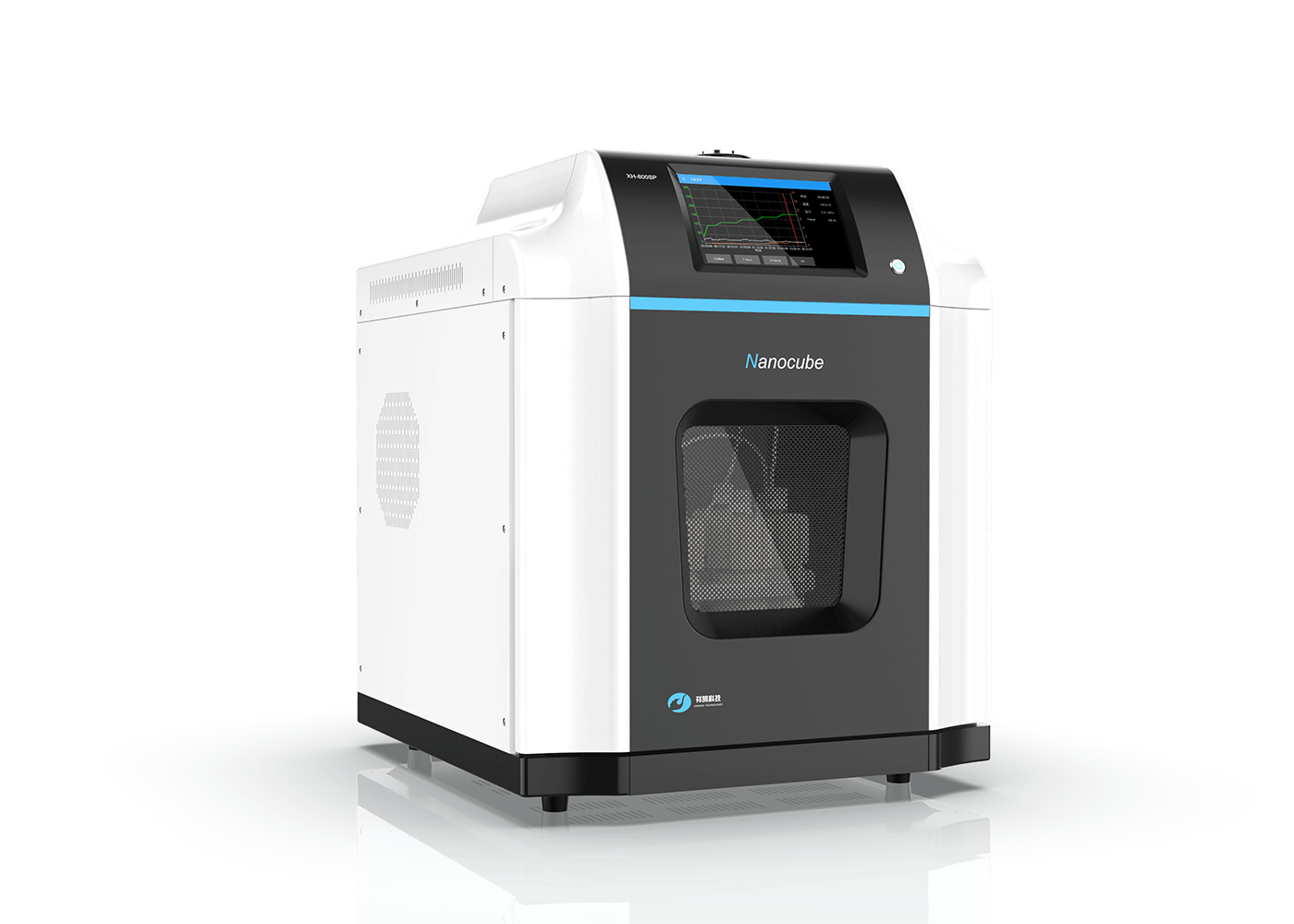
- Equipment: XH-800SP
- Source: Food Hydrocolloids, 2024
- Research direction: Research application
- Core conditions: Microwave power 600 W and Temperature 152.3 °C
- Key results: Quercetin chemical stability 78.3 ± 4.5%, Quercetin chemical stability 39.7 ± 1.3%, Particle size 115.3 ± 3.3 nm, and Particle size 125.4 nm
Research Abstract
Development and characteristics of emulsion gels with microwave-assisted ferulic acid covalently modified soy protein: structure, function and digestive properties was published in Food Hydrocolloids (2024) and is indexed as a Xianghu Q1 application case for XH-800SP. The source record connects it with Research application. Core operating conditions include Microwave power 600 W and Temperature 152.3 °C. Key reported results include Quercetin chemical stability 78.3 ± 4.5%, Quercetin chemical stability 39.7 ± 1.3%, Particle size 115.3 ± 3.3 nm, and Particle size 125.4 nm.
Research Background and Problem
Equipment Use and Experimental Conditions
| Item | Parameter |
|---|---|
| Microwave power | 600 W |
| Temperature | 152.3 °C |
Key Result
| Metric | Result |
|---|---|
| Particle size | 115.3 ± 3.3 nm |
| Particle size | 125.4 nm |
| Particle size | 115.3 nm |
| Quercetin chemical stability | 78.3 ± 4.5% |
| Quercetin chemical stability | 39.7 ± 1.3% |
Evidence Details
The results of gastrointestinal digestion experiments showed that quercetin loaded on emulsion gels stabilized by SPI-FA-M promoted lipid hydrolysis and improved the bioaccessibility (from 20.0 ± 2.1 % to 37.2 ± 1.5 %) and stability (from 39.7 ± 1.3 % to 78.3 ± 4.5 %) of quercetin.
The microwave power is 600 W, the microwave time is 5 min, and the microwave temperature is 40 °C.
The particle size of the SPI-FA complex was reduced from 125.4 nm to 115.3 nm after microwave treatment.
The SPI was treated by microwave with a multifunctional microwave hydrothermal synthesizer (XH-800SP Xianghu Technology Development Co., Ltd, Beijing, China).
The microwave-assisted FA covalently modified SPI maximized the absolute value of the ζ-potential (-33.5 ± 2.1 mV) and the thermal denaturation temperature (152.3 °C) of the system.
Particle size: 115.3 ± 3.3 nm
Mechanism / Method Highlights
- Method context: Microwave power 600 W and Temperature 152.3 °C.
- Source evidence: The results of gastrointestinal digestion experiments showed that quercetin loaded on emulsion gels stabilized by SPI-FA-M promoted lipid hydrolysis and improved the bioaccessibility (from 20.0 ± 2.1 % to 37.2 ± 1.5 %) and stability (from 39.7 ± 1.3 % to 78.3 ± 4.5 %) of quercetin
- Source evidence: The microwave power is 600 W, the microwave time is 5 min, and the microwave temperature is 40 °C
- Particle-size evidence: The particle size of the SPI-FA complex was reduced from 125.4 nm to 115.3 nm after microwave treatment
- Reported outcome: Quercetin chemical stability 78.3 ± 4.5%, Quercetin chemical stability 39.7 ± 1.3%, Particle size 115.3 ± 3.3 nm, and Particle size 125.4 nm.
Application Value
- Provides a peer-reviewed SoarNova / Xianghu Q1 application case for XH-800SP.
- Supports English discovery around Research application.
- Preserves quantitative result evidence: Quercetin chemical stability 78.3 ± 4.5%, Quercetin chemical stability 39.7 ± 1.3%, Particle size 115.3 ± 3.3 nm, and Particle size 125.4 nm.
- Maintains source-level evidence details: Source evidence: The results of gastrointestinal digestion experiments showed that quercetin loaded on emulsion gels stabilized by SPI-FA-M promoted lipid hydrolysis and improved the bioaccessibility (from 20.0 ± 2.1 % to 37.2 ± 1.5 %) and stability (from 39.7 ± 1.3 % to 78.3 ± 4.5 %) of quercetin, Source evidence: The microwave power is 600 W, the microwave time is 5 min, and the microwave temperature is 40 °C, Particle-size evidence: The particle size of the SPI-FA complex was reduced from 125.4 nm to 115.3 nm after microwave treatment, and Equipment and method evidence: The SPI was treated by microwave with a multifunctional microwave hydrothermal synthesizer (XH-800SP Xianghu Technology Development Co., Ltd, Beijing, China).
Related Equipment
FAQ
Which Xianghu instrument is covered by this page?
What research direction does this page support?
Which publication does this case come from?
Development and characteristics of emulsion gels with microwave-assisted ferulic acid covalently modified soy protein: structure, function and digestive properties
Food Hydrocolloids, 2024
DOI: 10.1016/j.foodhyd.2023.109230