Fact Snapshot
- Paper: Separators Modifed with Ultrathin Montmorillonite/Polymer Nanocoatings Achieve Dendrite-Free Lithium Deposition at High Current Densities
- Equipment: /
- Source: Nano Lett, 2024
- Research direction: Research application
- Key results: Capacity retention 73.3%, Capacity retention 90.4%, Initial capacity 360.3 mAh g-1, and Overpotential 40 mV
Research Abstract
Separators Modifed with Ultrathin Montmorillonite/Polymer Nanocoatings Achieve Dendrite-Free Lithium Deposition at High Current Densities was published in Nano Lett (2024) and is indexed as a Xianghu Q1 application case for /. The source record connects it with Research application. Key reported results include Capacity retention 73.3%, Capacity retention 90.4%, Initial capacity 360.3 mAh g-1, and Overpotential 40 mV.
Research Background and Problem
Key Result
| Metric | Result |
|---|---|
| Capacity retention | 73.3% |
| Capacity retention | 90.4% |
| Initial capacity | 360.3 mAh g-1 |
| Overpotential | 40 mV |
Evidence Details
Ultrasonic-method evidence: source values include 1.4 nm, 0.96 nm, 1.56 nm, 1.51 nm, 1.49 nm. Entities: MMT-PVA.
The MMT was exfoliated into monolayers (only 0.96 nm) by intercalating PVA under ultrasound, followed by cross-linking with glutaraldehyde. The thickness of the nanocoating on the polypropylene separator, as determined using the pull-up method, is only 200-500 nm with excellent properties.
Additional source evidence: source values include 20 h, 120 h, 7900 h. Entities: MMT-PVA.
After 400 cycles, 90.4% of its capacity was still retained, and the capacity remained as high as 325.9 mA h g−1.
Capacity retention: 73.3%
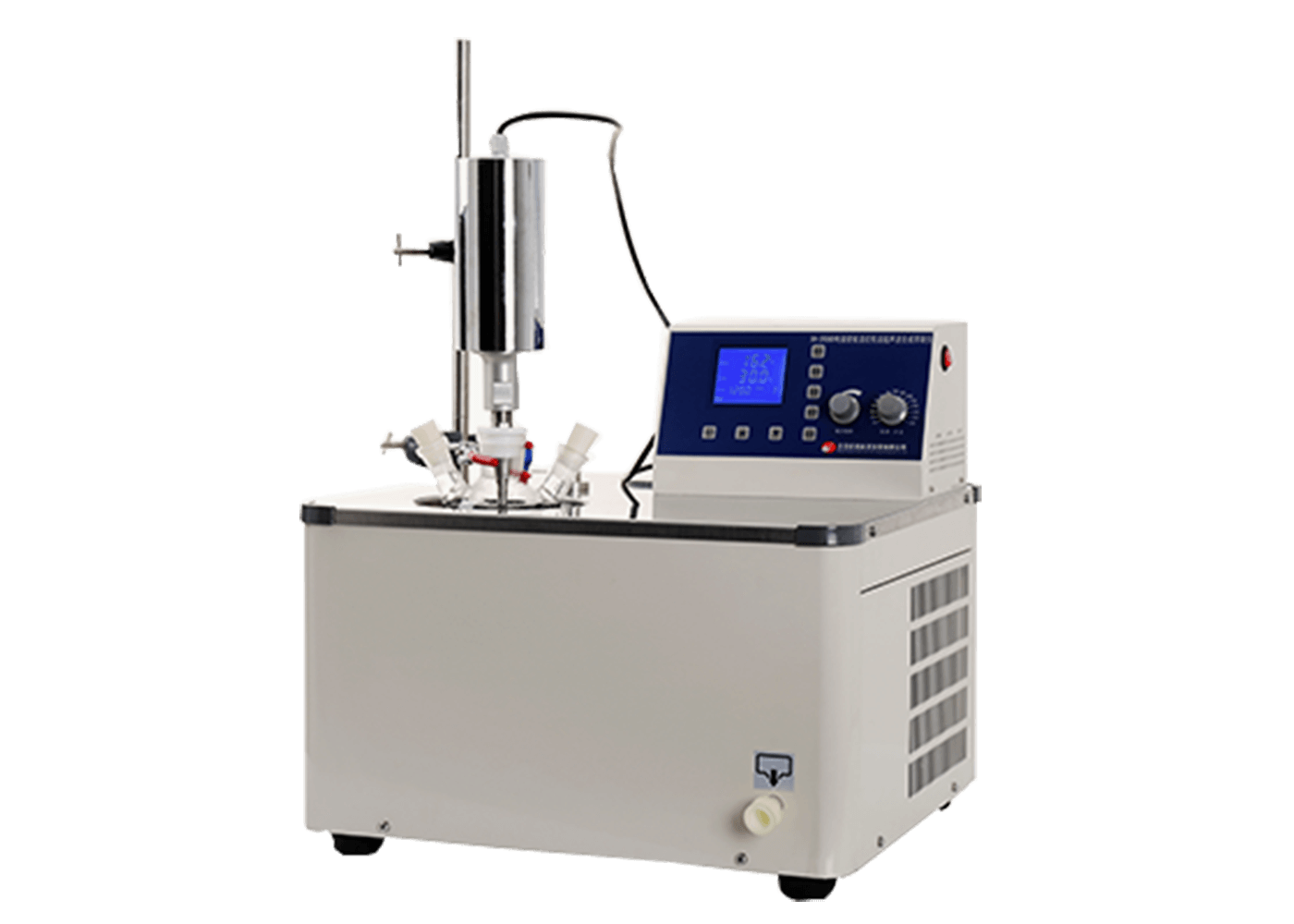
Ultrasonic-method evidence: source mentions XH-2008DE.
Mechanism / Method Highlights
- Ultrasonic-method evidence: source values include 1.4 nm, 0.96 nm, 1.56 nm, 1.51 nm, 1.49 nm. Entities: MMT-PVA
- Abstract evidence: The MMT was exfoliated into monolayers (only 0.96 nm) by intercalating PVA under ultrasound, followed by cross-linking with glutaraldehyde. The thickness of the nanocoating on the polypropylene separator, as determined using the pull-up method, is only 200-500 nm with excellent properties
- Additional source evidence: source values include 20 h, 120 h, 7900 h. Entities: MMT-PVA
- Reported outcome: Capacity retention 73.3%, Capacity retention 90.4%, Initial capacity 360.3 mAh g-1, and Overpotential 40 mV.
Application Value
- Provides a peer-reviewed SoarNova / Xianghu Q1 application case for Ultrasonic/sonochemical equipment.
- Supports English discovery around Research application.
- Preserves quantitative result evidence: Capacity retention 73.3%, Capacity retention 90.4%, Initial capacity 360.3 mAh g-1, and Overpotential 40 mV.
- Maintains source-level evidence details: Ultrasonic-method evidence: source values include 1.4 nm, 0.96 nm, 1.56 nm, 1.51 nm, 1.49 nm. Entities: MMT-PVA, Abstract evidence: The MMT was exfoliated into monolayers (only 0.96 nm) by intercalating PVA under ultrasound, followed by cross-linking with glutaraldehyde. The thickness of the nanocoating on the polypropylene separator, as determined using the pull-up method, is only 200-500 nm with excellent properties, Additional source evidence: source values include 20 h, 120 h, 7900 h. Entities: MMT-PVA, and Source evidence: After 400 cycles, 90.4% of its capacity was still retained, and the capacity remained as high as 325.9 mA h g−1.
Related Equipment
FAQ
Which Xianghu instrument is covered by this page?
What research direction does this page support?
Which publication does this case come from?
Separators Modifed with Ultrathin Montmorillonite/Polymer Nanocoatings Achieve Dendrite-Free Lithium Deposition at High Current Densities
Nano Lett, 2024
DOI: 10.1021/acs.nanolett.4c01221