Fact Snapshot
- Paper: Preparation and characterization of high embedding efficiency epigallocatechin-3-gallate glycosylated nanocomposites
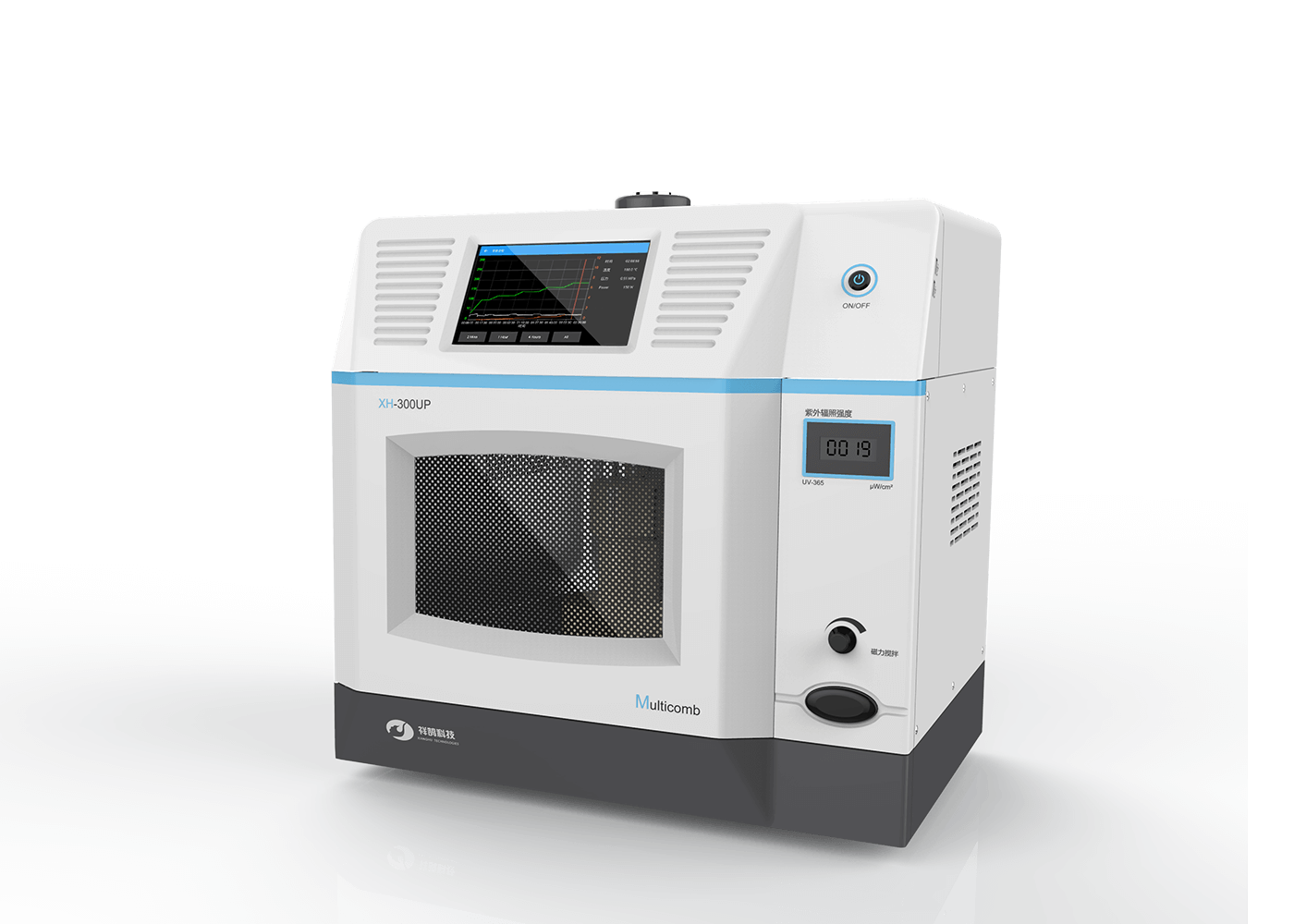
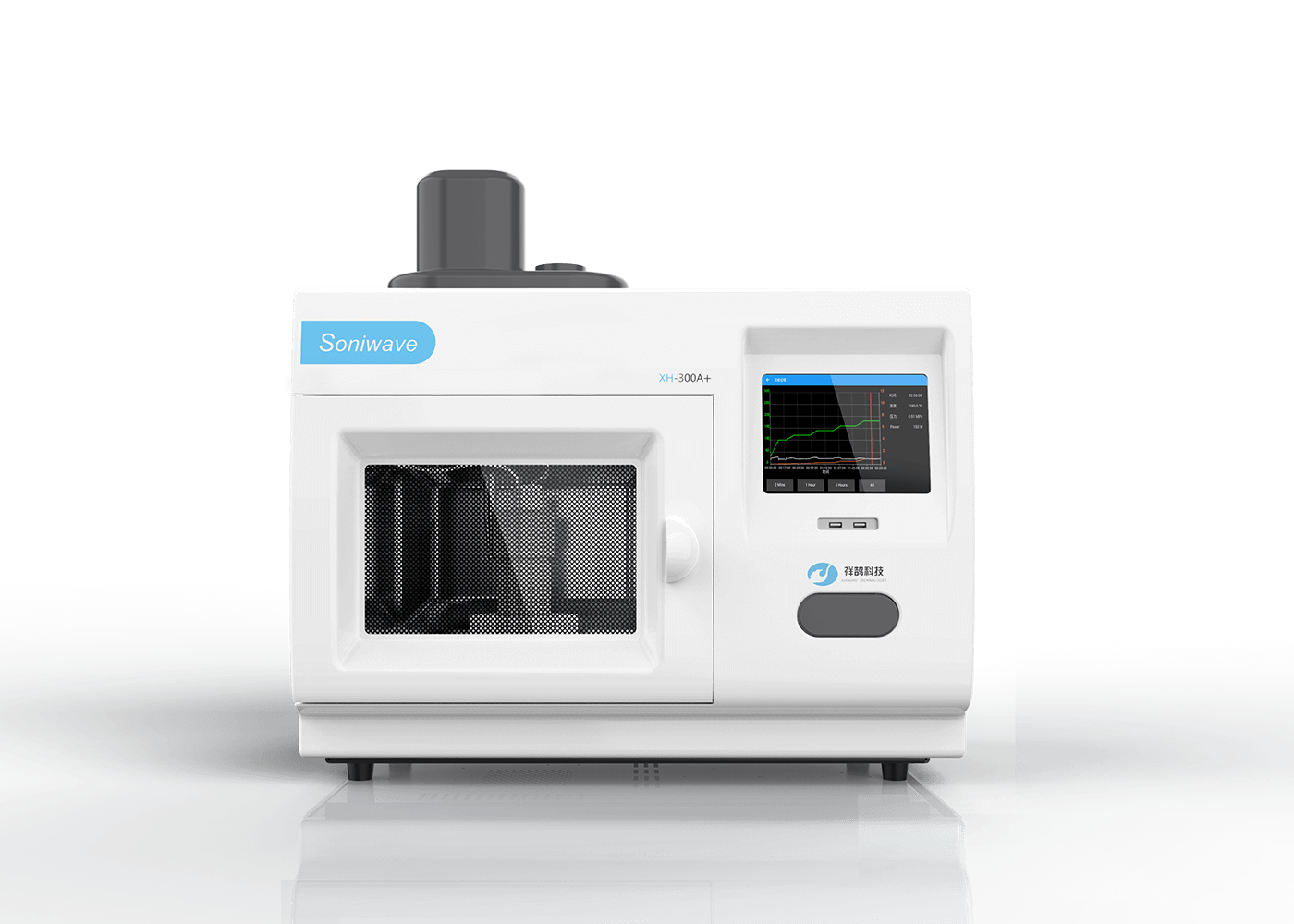
- Equipment: XH-300UL-2 and XH-300 series
- Source: Current Research in Food Science, 2023
- Research direction: Food bioactive delivery
- Core conditions: Temperature 85 ℃
- Key results: Encapsulation efficiency 93.89 ± 1.11%
Research Abstract
Preparation and characterization of high embedding efficiency epigallocatechin-3-gallate glycosylated nanocomposites was published in Current Research in Food Science (2023) and is indexed as a Xianghu Q1 application case for XH-300UL-2 and XH-300 series. The source record connects it with Food bioactive delivery. Core operating conditions include Temperature 85 ℃. Key reported results include Encapsulation efficiency 93.89 ± 1.11%.
Research Background and Problem
Equipment Use and Experimental Conditions
| Item | Parameter |
|---|---|
| Temperature | 85 ℃ |
Key Result
| Metric | Result |
|---|---|
| Encapsulation efficiency | 93.89 ± 1.11% |
Evidence Details
The above solutions were separately treated with microwave at 220 W for 20 min and initial temperature 85 °C (XH-300UL-2 microwave catalytic synthesizer, Beijing Xianghu Technology Development Co., Ltd., China).
Encapsulation evidence: source values include 220 W, 20 min, 85 °C, 93.89 ± 1.11%. Entities: XH-300UL-2.
Results revealed that the highest encapsulation efficiency of EGCG was 93.89 ± 1.11%. The neutral pH value and 0.3 mg/mL EGCG addition amount were suitable for EGCG glycosylated nanocomposites.
Encapsulation evidence: source values include 93.89 ± 1.11%, 68.5%, 87.3%.
When the amount of EGCG was 3.6 mg, the embedding efficiency of Ara-CMCS-EGCG reached the maximum.
Mechanism / Method Highlights
- Method context: Temperature 85 ℃.
- Equipment evidence: The above solutions were separately treated with microwave at 220 W for 20 min and initial temperature 85 °C (XH-300UL-2 microwave catalytic synthesizer, Beijing Xianghu Technology Development Co., Ltd., China)
- Encapsulation evidence: source values include 220 W, 20 min, 85 °C, 93.89 ± 1.11%. Entities: XH-300UL-2
- Abstract evidence: Results revealed that the highest encapsulation efficiency of EGCG was 93.89 ± 1.11%. The neutral pH value and 0.3 mg/mL EGCG addition amount were suitable for EGCG glycosylated nanocomposites
- Reported outcome: Encapsulation efficiency 93.89 ± 1.11%.
Application Value
- Provides a peer-reviewed SoarNova / Xianghu Q1 application case for XH-300UL-2 and XH-300 series.
- Supports English discovery around Food bioactive delivery.
- Preserves quantitative result evidence: Encapsulation efficiency 93.89 ± 1.11%.
- Maintains source-level evidence details: Equipment evidence: The above solutions were separately treated with microwave at 220 W for 20 min and initial temperature 85 °C (XH-300UL-2 microwave catalytic synthesizer, Beijing Xianghu Technology Development Co., Ltd., China), Encapsulation evidence: source values include 220 W, 20 min, 85 °C, 93.89 ± 1.11%. Entities: XH-300UL-2, Abstract evidence: Results revealed that the highest encapsulation efficiency of EGCG was 93.89 ± 1.11%. The neutral pH value and 0.3 mg/mL EGCG addition amount were suitable for EGCG glycosylated nanocomposites, and Encapsulation evidence: source values include 93.89 ± 1.11%, 68.5%, 87.3%.
Related Equipment
FAQ
Which Xianghu instrument is covered by this page?
What research direction does this page support?
Which publication does this case come from?
Preparation and characterization of high embedding efficiency epigallocatechin-3-gallate glycosylated nanocomposites
Current Research in Food Science, 2023
DOI: 10.1016/j.crfs.2022.11.018