Fact Snapshot
- Paper: TpBD COF@ZnIn2S4 nanosheets: A novel S-scheme heterojunction with enhanced photoreactivity for hydrogen production
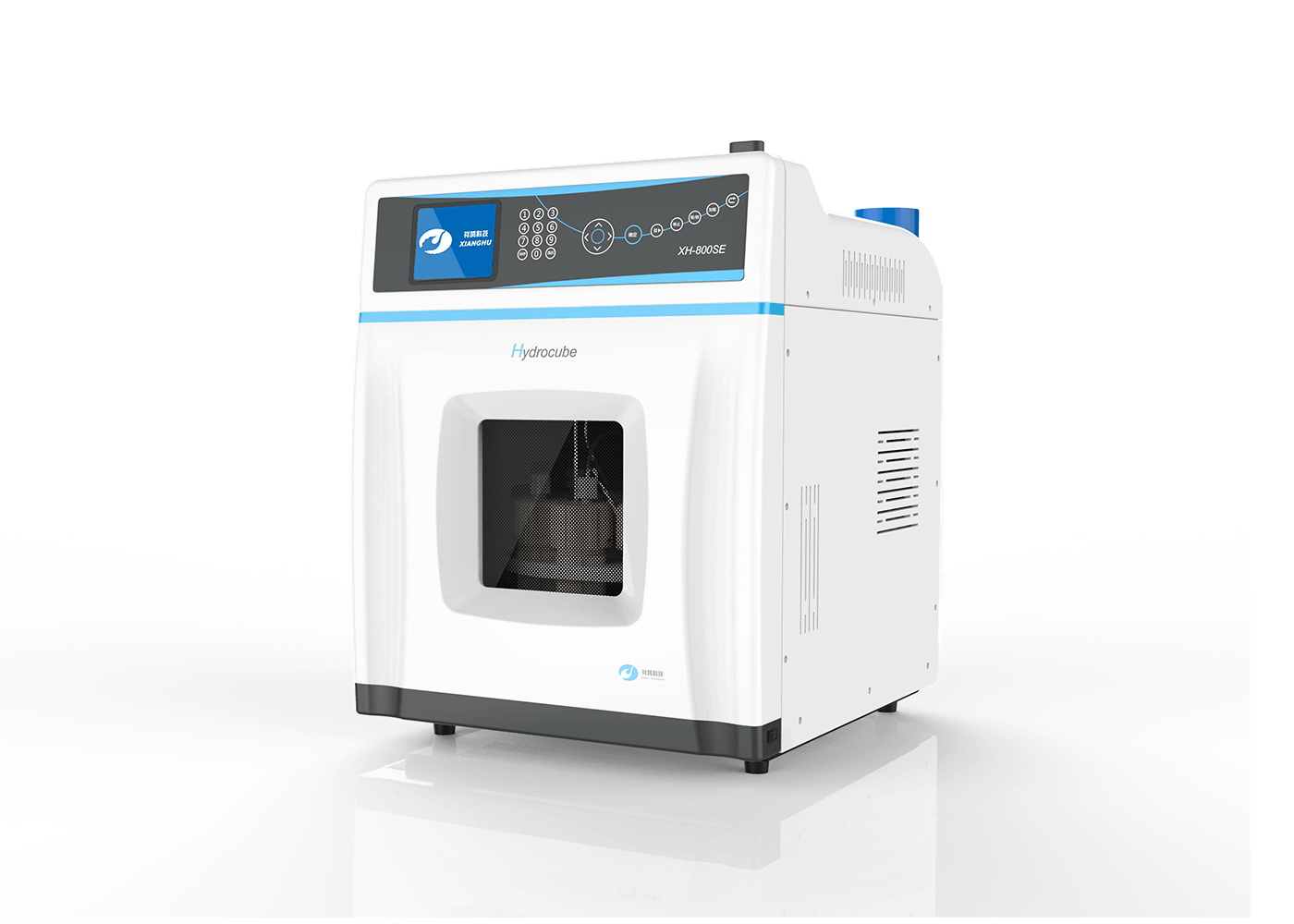
- Equipment: XH-800S
- Source: Applied Catalysis B: Environmental, 2023
- Research direction: COF and microwave hydrothermal synthesis
- Core conditions: Temperature 90 ℃ / 120 ℃ and Time 10 min / 30 min / 45 min
- Key results: Visible-light hydrogen production rate 2304 μmol g-1 h-1 and AQE 5.02%
Research Abstract
TpBD COF@ZnIn2S4 nanosheets: A novel S-scheme heterojunction with enhanced photoreactivity for hydrogen production was published in Applied Catalysis B: Environmental (2023) and is indexed as a Xianghu Q1 application case for XH-800S. The source record connects it with COF and microwave hydrothermal synthesis. Core operating conditions include Temperature 90 ℃ / 120 ℃ and Time 10 min / 30 min / 45 min. Key reported results include Visible-light hydrogen production rate 2304 μmol g-1 h-1 and AQE 5.02%.
Research Background and Problem
Equipment Use and Experimental Conditions
| Item | Parameter |
|---|---|
| Temperature | 90 ℃ / 120 ℃ |
| Time | 10 min / 30 min / 45 min |
Key Result
| Metric | Result |
|---|---|
| AQE | 5.02% |
| Visible-light hydrogen production rate | 2304 μmol g-1 h-1 |
Evidence Details
Firstly, 0.170 g of ZnCl2 (1.25 mmol), 0.733 g InCl3•4 H2O (2.50 mmol) and 0.375 g thioacetamide (TAA, 5.0 mmol) were added into a flask containing 50 mL of deionized water and stirred for 60 min. The mixture was heated in a microwave-hydrothermal reaction system in a 100 mL Teflon-lined autoclave at 90 ℃ for 30 min, and then at 120 ℃ for 45 min.
The best performing sample, TpBD COF@ZIS-10 (with a ZIS:TpBD COF mass ratio of 10:1), in the absence of a co-catalyst, achieves a visible-light-driven H2 production rate of 2304 μmol g−1 h−1 with an AQE of 5.02% at 420 nm, and exhibits excellent stability.
50 mL of deionized water was used to disperse 52.8 mg of the prepared TpBD COF. After sonication for 10 min, 1.25 mmol of ZnCl2, 2.50 mmol of InCl3•4 H2O, and 5.0 mmol of TAA were added under magnetic stirring. The following procedures, including microwave-hydrothermal reaction and washing, were similar to the synthesis of ZIS.
TpBD COF@ZIS-10 is still able to maintain a high H2 production rate of 2202 μmol g−1 h−1, even after 8 reaction cycles (of 3 h per cycle).
Additional source evidence: source values include 5:1, 10:1, 15:1.
Additional source evidence: source values include 16.3 fold, 9.8 fold. Entities: ZIS-10.
Additional source evidence: source values include 420 nm, 1s.
Microwave-method evidence: source values include 11.8 fold.
Additional source evidence: source mentions XH-800SE, microwave-hydrothermal.
Mechanism / Method Highlights
- Method context: Temperature 90 ℃ / 120 ℃ and Time 10 min / 30 min / 45 min.
- Additional source evidence: Firstly, 0.170 g of ZnCl2 (1.25 mmol), 0.733 g InCl3•4 H2O (2.50 mmol) and 0.375 g thioacetamide (TAA, 5.0 mmol) were added into a flask containing 50 mL of deionized water and stirred for 60 min. The mixture was heated in a microwave-hydrothermal reaction system in a 100 mL Teflon-lined autoclave at 90 ℃ for 30 min, and then at 120 ℃ for 45 min
- Abstract evidence: The best performing sample, TpBD COF@ZIS-10 (with a ZIS:TpBD COF mass ratio of 10:1), in the absence of a co-catalyst, achieves a visible-light-driven H2 production rate of 2304 μmol g−1 h−1 with an AQE of 5.02% at 420 nm, and exhibits excellent stability
- Source evidence: 50 mL of deionized water was used to disperse 52.8 mg of the prepared TpBD COF. After sonication for 10 min, 1.25 mmol of ZnCl2, 2.50 mmol of InCl3•4 H2O, and 5.0 mmol of TAA were added under magnetic stirring. The following procedures, including microwave-hydrothermal reaction and washing, were similar to the synthesis of ZIS
- Reported outcome: Visible-light hydrogen production rate 2304 μmol g-1 h-1 and AQE 5.02%.
Application Value
- Provides a peer-reviewed SoarNova / Xianghu Q1 application case for XH-800S.
- Supports English discovery around COF and Microwave hydrothermal synthesis.
- Preserves quantitative result evidence: Visible-light hydrogen production rate 2304 μmol g-1 h-1 and AQE 5.02%.
- Maintains source-level evidence details: Additional source evidence: Firstly, 0.170 g of ZnCl2 (1.25 mmol), 0.733 g InCl3•4 H2O (2.50 mmol) and 0.375 g thioacetamide (TAA, 5.0 mmol) were added into a flask containing 50 mL of deionized water and stirred for 60 min. The mixture was heated in a microwave-hydrothermal reaction system in a 100 mL Teflon-lined autoclave at 90 ℃ for 30 min, and then at 120 ℃ for 45 min, Abstract evidence: The best performing sample, TpBD COF@ZIS-10 (with a ZIS:TpBD COF mass ratio of 10:1), in the absence of a co-catalyst, achieves a visible-light-driven H2 production rate of 2304 μmol g−1 h−1 with an AQE of 5.02% at 420 nm, and exhibits excellent stability, Source evidence: 50 mL of deionized water was used to disperse 52.8 mg of the prepared TpBD COF. After sonication for 10 min, 1.25 mmol of ZnCl2, 2.50 mmol of InCl3•4 H2O, and 5.0 mmol of TAA were added under magnetic stirring. The following procedures, including microwave-hydrothermal reaction and washing, were similar to the synthesis of ZIS, and Source evidence: TpBD COF@ZIS-10 is still able to maintain a high H2 production rate of 2202 μmol g−1 h−1, even after 8 reaction cycles (of 3 h per cycle).
Related Equipment
FAQ
Which Xianghu instrument is covered by this page?
What is the main application direction?
Which publication does this case come from?
TpBD COF@ZnIn2S4 nanosheets: A novel S-scheme heterojunction with enhanced photoreactivity for hydrogen production
Applied Catalysis B: Environmental, 2023
DOI: 10.1016/j.apcatb.2023.122624