Fact Snapshot
- Paper: Self-assembly of biomass-based hybrid hydrogel electrode for an additive-free flexible supercapacitor
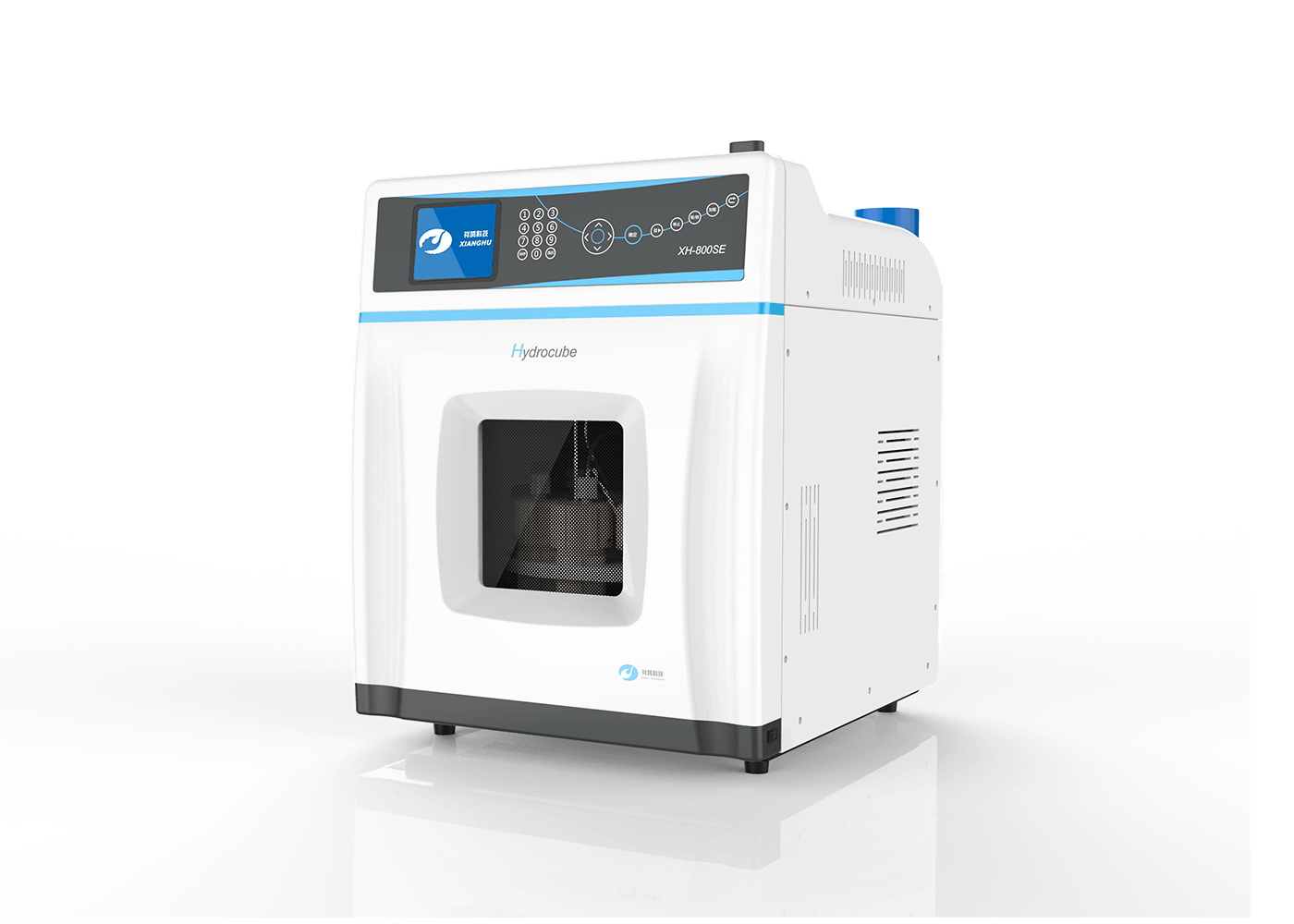
- Equipment: XH-800S
- Source: Journal of Materials Chemistry A, 2022
- Research direction: microwave hydrothermal synthesis
- Key results: Energy density 13.4 W h kg-1 and Capacitance 94 F g-1
Research Abstract
Self-assembly of biomass-based hybrid hydrogel electrode for an additive-free flexible supercapacitor was published in Journal of Materials Chemistry A (2022) and is indexed as a Xianghu Q1 application case for XH-800S. The structured source links this paper to microwave hydrothermal synthesis. Key reported results include Energy density 13.4 W h kg-1 and Capacitance 94 F g-1. The DOI recorded for this paper is 10.1039/D2TA03710F.
Research Background and Problem
Key Result
| Metric | Result |
|---|---|
| Energy density | 13.4 W h kg-1 |
| Capacitance | 94 F g-1 |
Evidence Details
The CDs (30 mg) were dispersed in 60 mL of GO dispersion, then the solution was mixed with 8 mg of BLs ... and the solution was reacted for 2 h at 180 ℃ in a microwave hydrothermal parallel synthesizer (XH-800S, Beijing Xianghu Technology).
A high capacitance retention of 93.5% and an average coulombic efficiency of 98.4% after 10 000 cycles were achieved ... The energy density of 13.4 W h kg−1 at a power density of 150 W kg−1 was obtained for the system.
Mechanism / Method Highlights
- Equipment evidence: The CDs (30 mg) were dispersed in 60 mL of GO dispersion, then the solution was mixed with 8 mg of BLs ... and the solution was reacted for 2 h at 180 ℃ in a microwave hydrothermal parallel synthesizer (XH-800S, Beijing Xianghu Technology)
- Source evidence: A high capacitance retention of 93.5% and an average coulombic efficiency of 98.4% after 10 000 cycles were achieved ... The energy density of 13.4 W h kg−1 at a power density of 150 W kg−1 was obtained for the system
- Reported outcome: Energy density 13.4 W h kg-1 and Capacitance 94 F g-1.
Application Value
- Positions XH-800S in a peer-reviewed Q1 research application.
- Highlights quantitative evidence: Energy density 13.4 W h kg-1 and Capacitance 94 F g-1.
- Records source affiliations: Qingdao University of Science and Technology and State Key Laboratory Base of Eco-chemical Engineering, College of Chemical Engineering, Qingdao University of Science and Technology, Qingdao, Shandong, PR China.
Related Equipment
FAQ
Which Xianghu instrument is covered by this page?
What is the main application direction?
Which publication does this case come from?
Self-assembly of biomass-based hybrid hydrogel electrode for an additive-free flexible supercapacitor
Journal of Materials Chemistry A, 2022
DOI: 10.1039/D2TA03710F