Fact Snapshot
- Paper: Multifunctional bacterial cellulose-based organohydrogels with long-term environmental stability
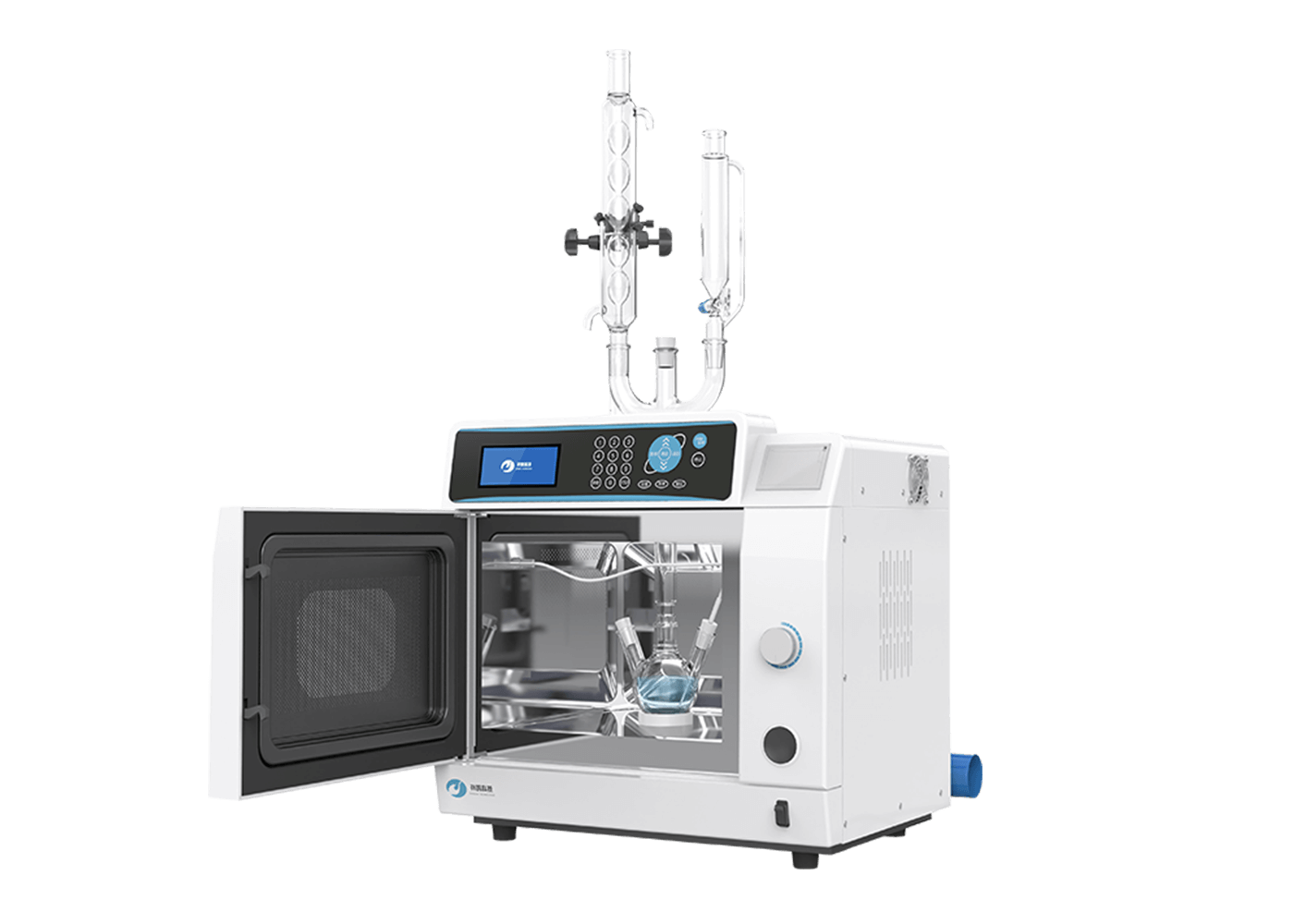
- Equipment: XH-100A
- Source: Journal of Colloid and Interface Science, 2022
- Research direction: Research application
- Key results: Elongation at break 1300%, Tensile strength 1.0 MPa, Adhesion strength 0.32 MPa, and Elongation 632%
Research Abstract
Multifunctional bacterial cellulose-based organohydrogels with long-term environmental stability was published in Journal of Colloid and Interface Science (2022) and is indexed as a Xianghu Q1 application case for XH-100A. The source record connects it with Research application. Key reported results include Elongation at break 1300%, Tensile strength 1.0 MPa, Adhesion strength 0.32 MPa, and Elongation 632%.
Research Background and Problem
Key Result
| Metric | Result |
|---|---|
| Elongation at break | 1300% |
| Tensile strength | 1.0 MPa |
| Adhesion strength | 0.32 MPa |
| Elongation | 632% |
Evidence Details
the solution was placed in the microwave (600 W, 88 ℃) for 2.5 min using XH-100A
excellent tensile strength (~1.0 MPa), tensile strain (~1300%), toughness (~6.2 MJ m−3), conductivity (3.4 S m−1), gauge factor (~1.24), adhesion (~0.3 MPa), and self-healing properties (self-healing tensile strain to 632%).
Take C-Gly5 organohydrogels as an example, the tensile strength reaches 1.4 MPa at -20 ℃, the tensile strain is about 1200%, and the toughness is 10.68 MJ m−3.
The prepared organohydrogels showed good conductivity and sensitivity over a wide temperature range (-20 ~ 40 ℃), and maintained long-term stability (>15 days) in the air.
Mechanism / Method Highlights
- Equipment evidence: the solution was placed in the microwave (600 W, 88 ℃) for 2.5 min using XH-100A
- Source evidence: excellent tensile strength (~1.0 MPa), tensile strain (~1300%), toughness (~6.2 MJ m−3), conductivity (3.4 S m−1), gauge factor (~1.24), adhesion (~0.3 MPa), and self-healing properties (self-healing tensile strain to 632%)
- Source evidence: Take C-Gly5 organohydrogels as an example, the tensile strength reaches 1.4 MPa at -20 ℃, the tensile strain is about 1200%, and the toughness is 10.68 MJ m−3
- Reported outcome: Elongation at break 1300%, Tensile strength 1.0 MPa, Adhesion strength 0.32 MPa, and Elongation 632%.
Application Value
- Provides a peer-reviewed SoarNova / Xianghu Q1 application case for XH-100A.
- Supports English discovery around Research application.
- Preserves quantitative result evidence: Elongation at break 1300%, Tensile strength 1.0 MPa, Adhesion strength 0.32 MPa, and Elongation 632%.
- Maintains source-level evidence details: Equipment evidence: the solution was placed in the microwave (600 W, 88 ℃) for 2.5 min using XH-100A, Source evidence: excellent tensile strength (~1.0 MPa), tensile strain (~1300%), toughness (~6.2 MJ m−3), conductivity (3.4 S m−1), gauge factor (~1.24), adhesion (~0.3 MPa), and self-healing properties (self-healing tensile strain to 632%), Source evidence: Take C-Gly5 organohydrogels as an example, the tensile strength reaches 1.4 MPa at -20 ℃, the tensile strain is about 1200%, and the toughness is 10.68 MJ m−3, and Source evidence: The prepared organohydrogels showed good conductivity and sensitivity over a wide temperature range (-20 ~ 40 ℃), and maintained long-term stability (>15 days) in the air.
Related Equipment
FAQ
Which Xianghu instrument is covered by this page?
What research direction does this page support?
Which publication does this case come from?
Multifunctional bacterial cellulose-based organohydrogels with long-term environmental stability
Journal of Colloid and Interface Science, 2022
DOI: 10.1016/j.jcis.2021.10.057