Fact Snapshot
- Paper: Assessing the potential of Chlorella sp. for treatment and resource utilization of brewery wastewater coupled with bioproduct production
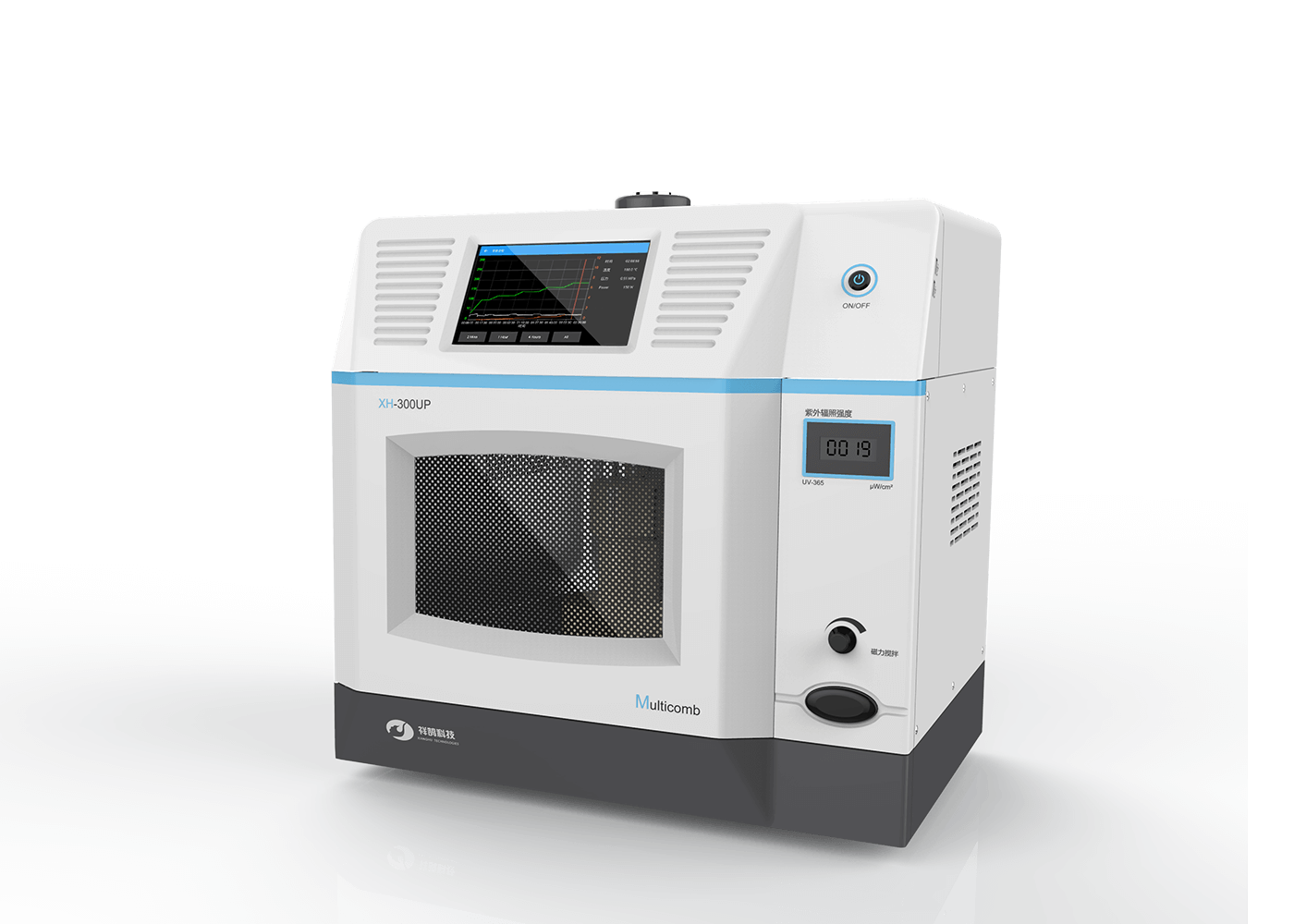
- Equipment: XH-300UA
- Source: Journal of Cleaner Production, 2022
- Research direction: wastewater valorization
- Core conditions: Ultrasonic power 400 W and Time 30 min
- Key results: Highest biomass obtained 50%, Protein content 36.19%, Removal 94.38%, and Biomass 10%
Research Abstract
Assessing the potential of Chlorella sp. for treatment and resource utilization of brewery wastewater coupled with bioproduct production was published in Journal of Cleaner Production (2022) and is indexed as a Xianghu Q1 application case for XH-300UA. The source record connects it with wastewater valorization. Core operating conditions include Ultrasonic power 400 W and Time 30 min. Key reported results include Highest biomass obtained 50%, Protein content 36.19%, Removal 94.38%, and Biomass 10%.
Research Background and Problem
Equipment Use and Experimental Conditions
| Item | Parameter |
|---|---|
| Ultrasonic power | 400 W |
| Time | 30 min |
Key Result
| Metric | Result |
|---|---|
| Removal | 94.38% |
| Protein content | 36.19% |
| Highest biomass obtained | 50% |
| Biomass | 10% |
Evidence Details
Increasing BWW concentration up to 50% with 10% WYS can obtain the maximum biomass concentration of 2.03 g L−1 that is 0.14 g L−1 higher than 1.89 g L−1 of biomass in BG11.
The maximum removal of ammonia nitrogen (NH4+-N), chemical oxygen demand, total nitrogen, and total phosphorus reached 94.38%, 88.52%, 96.71%, and 98.68%, respectively.
Finally, the waste beer yeast cells were crushed with an ultrasonic power of 400 W at 5 ◦C for 30 min (XH-300UA Soniwave, Beijing Xianghu)...
Ultrasonic-method evidence: source values include 400 W, 5 °C, 30 min. Entities: XH-300UA.
The maximum lipid, carbohydrate, and protein contents were 36.19%, 36.51%, and 19.77%, respectively, depending on culture conditions, and heterotrophic conditions were beneficial to protein accumulation in Chlorella sp.
Mechanism / Method Highlights
- Method context: Ultrasonic power 400 W and Time 30 min.
- Source evidence: Increasing BWW concentration up to 50% with 10% WYS can obtain the maximum biomass concentration of 2.03 g L−1 that is 0.14 g L−1 higher than 1.89 g L−1 of biomass in BG11
- Source evidence: The maximum removal of ammonia nitrogen (NH4+-N), chemical oxygen demand, total nitrogen, and total phosphorus reached 94.38%, 88.52%, 96.71%, and 98.68%, respectively
- Equipment evidence: Finally, the waste beer yeast cells were crushed with an ultrasonic power of 400 W at 5 ◦C for 30 min (XH-300UA Soniwave, Beijing Xianghu)
- Reported outcome: Highest biomass obtained 50%, Protein content 36.19%, Removal 94.38%, and Biomass 10%.
Application Value
- Provides a peer-reviewed SoarNova / Xianghu Q1 application case for XH-300UA.
- Supports English discovery around Wastewater valorization.
- Preserves quantitative result evidence: Highest biomass obtained 50%, Protein content 36.19%, Removal 94.38%, and Biomass 10%.
- Maintains source-level evidence details: Source evidence: Increasing BWW concentration up to 50% with 10% WYS can obtain the maximum biomass concentration of 2.03 g L−1 that is 0.14 g L−1 higher than 1.89 g L−1 of biomass in BG11, Source evidence: The maximum removal of ammonia nitrogen (NH4+-N), chemical oxygen demand, total nitrogen, and total phosphorus reached 94.38%, 88.52%, 96.71%, and 98.68%, respectively, Equipment evidence: Finally, the waste beer yeast cells were crushed with an ultrasonic power of 400 W at 5 ◦C for 30 min (XH-300UA Soniwave, Beijing Xianghu), and Ultrasonic-method evidence: source values include 400 W, 5 °C, 30 min. Entities: XH-300UA.
Related Equipment
FAQ
Which Xianghu instrument is covered by this page?
What is the main application direction?
Which publication does this case come from?
Assessing the potential of Chlorella sp. for treatment and resource utilization of brewery wastewater coupled with bioproduct production
Journal of Cleaner Production, 2022
DOI: 10.1016/j.jclepro.2022.132939