Fact Snapshot
- Paper: Iron-doped hydroxyapatite for the simultaneous remediation of lead-, cadmium- and arsenic-co-contaminated soil
- Equipment: XH-300 series
- Source: Environmental Pollution, 2022
- Research direction: Research application
- Key results: Immobilization efficiency 79.77%
Research Abstract
Iron-doped hydroxyapatite for the simultaneous remediation of lead-, cadmium- and arsenic-co-contaminated soil was published in Environmental Pollution (2022) and is indexed as a Xianghu Q1 application case for XH-300 series. The source record connects it with Research application. Key reported results include Immobilization efficiency 79.77%.
Research Background and Problem
Key Result
| Metric | Result |
|---|---|
| Immobilization efficiency | 79.77% |
Evidence Details
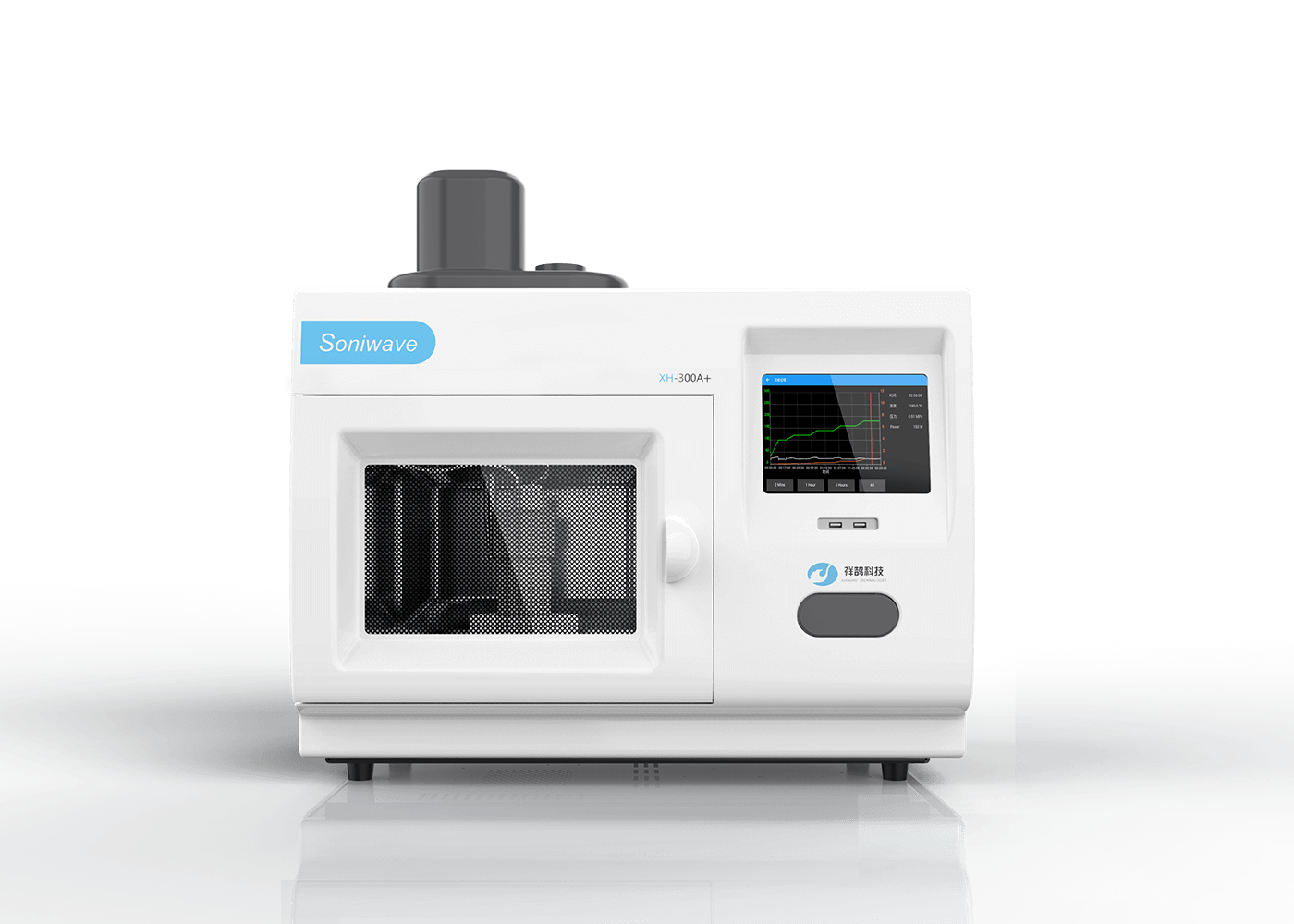
The slurry was put into a microwave-ultrasonic combined synthesis extractor (XH-300A, Beijing Xianghu Technology Co., Ltd., China) for reaction synthesis (microwave power 600 W, ultrasonic power 200 W, reaction temperature maintained at 80 ◦C, working for 2 s and stopping for 1 s, reaction time 15 min).
Using DTPA/sodium bicarbonate extractant to extract bioavailable Pb, Cd and As in soil after Fe-HAP remediation for 60 days, the immobilization efficiencies were 79.77%, 51.3% and 37.5% for Pb, Cd and As, respectively.
The estimated maximum adsorption capacities of Cd2+, Pb2+ and As(V) on Fe-HAP were 476.2 mg g−1, 1322.5 mg g−1, and 195.69 mg g−1, respectively.
Additional source evidence: source values include 15 min, 80 °C. Entities: XH-300A.
Additional source evidence: source values include 5%.
Mechanism / Method Highlights
- Equipment evidence: The slurry was put into a microwave-ultrasonic combined synthesis extractor (XH-300A, Beijing Xianghu Technology Co., Ltd., China) for reaction synthesis (microwave power 600 W, ultrasonic power 200 W, reaction temperature maintained at 80 ◦C, working for 2 s and stopping for 1 s, reaction time 15 min)
- Source evidence: Using DTPA/sodium bicarbonate extractant to extract bioavailable Pb, Cd and As in soil after Fe-HAP remediation for 60 days, the immobilization efficiencies were 79.77%, 51.3% and 37.5% for Pb, Cd and As, respectively
- Source evidence: The estimated maximum adsorption capacities of Cd2+, Pb2+ and As(V) on Fe-HAP were 476.2 mg g−1, 1322.5 mg g−1, and 195.69 mg g−1, respectively
- Reported outcome: Immobilization efficiency 79.77%.
Application Value
- Provides a peer-reviewed SoarNova / Xianghu Q1 application case for XH-300 series.
- Supports English discovery around Research application.
- Preserves quantitative result evidence: Immobilization efficiency 79.77%.
- Maintains source-level evidence details: Equipment evidence: The slurry was put into a microwave-ultrasonic combined synthesis extractor (XH-300A, Beijing Xianghu Technology Co., Ltd., China) for reaction synthesis (microwave power 600 W, ultrasonic power 200 W, reaction temperature maintained at 80 ◦C, working for 2 s and stopping for 1 s, reaction time 15 min), Source evidence: Using DTPA/sodium bicarbonate extractant to extract bioavailable Pb, Cd and As in soil after Fe-HAP remediation for 60 days, the immobilization efficiencies were 79.77%, 51.3% and 37.5% for Pb, Cd and As, respectively, Source evidence: The estimated maximum adsorption capacities of Cd2+, Pb2+ and As(V) on Fe-HAP were 476.2 mg g−1, 1322.5 mg g−1, and 195.69 mg g−1, respectively, and Additional source evidence: source values include 15 min, 80 °C. Entities: XH-300A.
Related Equipment
FAQ
Which Xianghu instrument is covered by this page?
What research direction does this page support?
Which publication does this case come from?
Iron-doped hydroxyapatite for the simultaneous remediation of lead-, cadmium- and arsenic-co-contaminated soil
Environmental Pollution, 2022
DOI: 10.1016/j.envpol.2022.119953