Fact Snapshot
- Paper: Ultrasound-assisted green synthesis of Ru supported on LDH-CNT composites as an efficient catalyst for N-ethylcarbazole hydrogenation
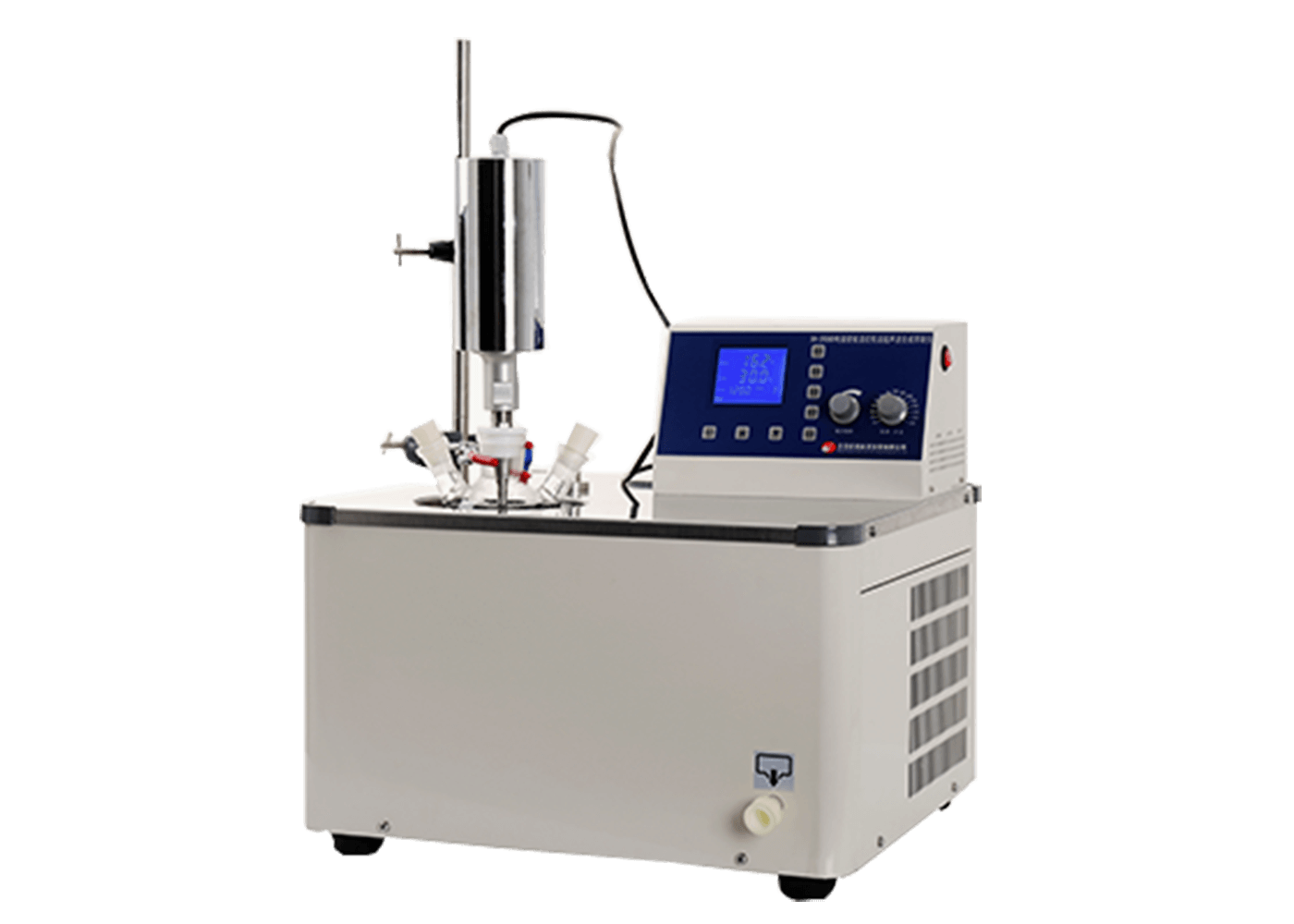
- Equipment: XH-2008D
- Source: Ultrasonics Sonochemistry, 2022
- Research direction: LOHC, N-ethylcarbazole, Ru, and LDH-CNT
- Core conditions: Temperature 120 ℃ / 90 ℃
- Key results: Average particle size 1.63 nm and Selectivity 98.31%
Research Abstract
Ultrasound-assisted green synthesis of Ru supported on LDH-CNT composites as an efficient catalyst for N-ethylcarbazole hydrogenation was published in Ultrasonics Sonochemistry (2022) and is indexed as a Xianghu Q1 application case for XH-2008D. The source record connects it with LOHC, N-ethylcarbazole, Ru, and LDH-CNT. Core operating conditions include Temperature 120 ℃ / 90 ℃. Key reported results include Average particle size 1.63 nm and Selectivity 98.31%.
Research Background and Problem
Equipment Use and Experimental Conditions
| Item | Parameter |
|---|---|
| Temperature | 120 ℃ / 90 ℃ |
Key Result
| Metric | Result |
|---|---|
| Average particle size | 1.63 nm |
| Selectivity | 98.31% |
Evidence Details
Activation-energy evidence: source values include 34.95 kJ/mol, 12H, 95.17%, 98.4%.
Equipment-detail evidence: source values include 25 kHz, 500 W, 1.5 h. Entities: XH-2008D.
Energy-comparison evidence: source values include 12H, 120-200 °C. Entities: N-ethylcarbazole, dodecahydro-N-ethylcarbazole.
In the process of Ru/LDH-xCNT catalysts preparation, an XH-2008D ultrasonic instrument was used, which was produced by Beijing Xianghu Technology Development Co., ltd., with an ultrasonic frequency of 25 kHz and a probe diameter of 18 mm.
LDH-xCNT (0.2 g) was dispersed in 20 mL deionized water, and 10.42 mL 0.01 mol/L RuCl3 solution was added according to the theoretical loading of Ru of 5 wt%. Then it was treated at a certain ultrasonic power (P: 100 W, 300 W, 500 W) for a period of time (t: 0.5 h, 1 h, 1.5 h), and N2 was continuously introduced to abrogate the interference of dissolved oxyg...
When Ru/LDH-3.9CNT-(300-1) is used as the catalyst, the conversion of NEC is 100 %, the selectivity of 12H-NEC and the hydrogen capacity reach 98.31 % and 5.76 wt% after 24 min of reaction.
Additional source evidence: source values include 80 °C, 120 °C.
Temperature: 120 ℃ / 90 ℃
Average particle size: 1.63 nm
Mechanism / Method Highlights
- Method context: Temperature 120 ℃ / 90 ℃.
- Activation-energy evidence: source values include 34.95 kJ/mol, 12H, 95.17%, 98.4%
- Equipment-detail evidence: source values include 25 kHz, 500 W, 1.5 h. Entities: XH-2008D
- Energy-comparison evidence: source values include 12H, 120-200 °C. Entities: N-ethylcarbazole, dodecahydro-N-ethylcarbazole
- Reported outcome: Average particle size 1.63 nm and Selectivity 98.31%.
Application Value
- Provides a peer-reviewed SoarNova / Xianghu Q1 application case for XH-2008D.
- Supports English discovery around LOHC, N-ethylcarbazole, Ru, and LDH-CNT.
- Preserves quantitative result evidence: Average particle size 1.63 nm and Selectivity 98.31%.
- Maintains source-level evidence details: Activation-energy evidence: source values include 34.95 kJ/mol, 12H, 95.17%, 98.4%, Equipment-detail evidence: source values include 25 kHz, 500 W, 1.5 h. Entities: XH-2008D, Energy-comparison evidence: source values include 12H, 120-200 °C. Entities: N-ethylcarbazole, dodecahydro-N-ethylcarbazole, and Equipment-detail evidence: In the process of Ru/LDH-xCNT catalysts preparation, an XH-2008D ultrasonic instrument was used, which was produced by Beijing Xianghu Technology Development Co., ltd., with an ultrasonic frequency of 25 kHz and a probe diameter of 18 mm.
Related Equipment
FAQ
Which Xianghu instrument is covered by this page?
What is the main application direction?
Which publication does this case come from?
Ultrasound-assisted green synthesis of Ru supported on LDH-CNT composites as an efficient catalyst for N-ethylcarbazole hydrogenation
Ultrasonics Sonochemistry, 2022
DOI: 10.1016/j.ultsonch.2022.106227