Fact Snapshot
- Paper: Improved oxygen reduction reaction activity by in-situ synthesizing Sr3Fe1.8Nb0.2O7-δ coating on SrFe0.9Nb0.1O3-δ cathode via the microwave water bath heating method
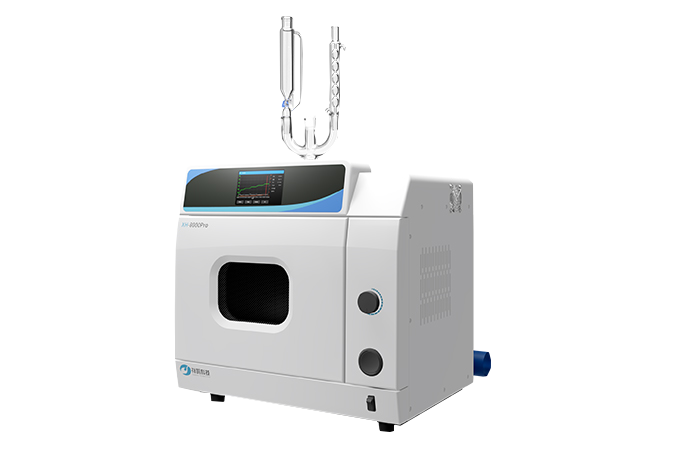
- Equipment: XH-8000 / XH-8000Plus
- Source: Journal of the European Ceramic Society, 2022
- Research direction: Research application
- Key results: Highest electronic conductivity of best sample 123 S cm-1 and Symmetric cell polarization resistance 0.31 Ω cm2
Research Abstract
Improved oxygen reduction reaction activity by in-situ synthesizing Sr3Fe1.8Nb0.2O7-δ coating on SrFe0.9Nb0.1O3-δ cathode via the microwave water bath heating method was published in Journal of the European Ceramic Society (2022) and is indexed as a Xianghu Q1 application case for XH-8000 / XH-8000Plus. The source record connects it with Research application. Key reported results include Highest electronic conductivity of best sample 123 S cm-1 and Symmetric cell polarization resistance 0.31 Ω cm2.
Research Background and Problem
Key Result
| Metric | Result |
|---|---|
| Highest electronic conductivity of best sample | 123 S cm-1 |
| Symmetric cell polarization resistance | 0.31 Ω cm2 |
Evidence Details
Equipment-detail evidence: source values include 1:0.2, 200 °C, 30 min. Entities: XH-8000Plus, X-100.
Release-kinetics evidence: source values include 900 °C, 3 h.
Equipment-detail evidence: source values include 1:0.2. Entities: X-100.
The maximum electronic conductivity of SFN113 and SFN327 reaches 90 S cm-1 at 610 ◦C and 28 S cm-1 at 590 ◦C, respectively. Surprisingly, the conductivity of SFN113 bar coated with SFN327 arrives at 123 S cm-1, which is higher than that of two single-phase materials.
The obtained k value of the SFN113 bar with 4.569 mg cm-2 SFN327 coating is much higher than that of the bare SFN113 bar. As the temperature decreases, the ratio of the k of the SFN113 bar with 4.569 mg cm-2 SFN327 coating to the bare SFN113 bar continues to increase, reaching a maximum of 7.
Additional source evidence: source values include 123 S, 7 fold. Entities: cm-1.
Additional source evidence: source values include 700 °C. Entities: cm-2.
Mechanism / Method Highlights
- Equipment-detail evidence: source values include 1:0.2, 200 °C, 30 min. Entities: XH-8000Plus, X-100
- Release-kinetics evidence: source values include 900 °C, 3 h
- Equipment-detail evidence: source values include 1:0.2. Entities: X-100
- Reported outcome: Highest electronic conductivity of best sample 123 S cm-1 and Symmetric cell polarization resistance 0.31 Ω cm2.
Application Value
- Provides a peer-reviewed SoarNova / Xianghu Q1 application case for XH-8000 / XH-8000Plus.
- Supports English discovery around Research application.
- Preserves quantitative result evidence: Highest electronic conductivity of best sample 123 S cm-1 and Symmetric cell polarization resistance 0.31 Ω cm2.
- Maintains source-level evidence details: Equipment-detail evidence: source values include 1:0.2, 200 °C, 30 min. Entities: XH-8000Plus, X-100, Release-kinetics evidence: source values include 900 °C, 3 h, Equipment-detail evidence: source values include 1:0.2. Entities: X-100, and Source evidence: The maximum electronic conductivity of SFN113 and SFN327 reaches 90 S cm-1 at 610 ◦C and 28 S cm-1 at 590 ◦C, respectively. Surprisingly, the conductivity of SFN113 bar coated with SFN327 arrives at 123 S cm-1, which is higher than that of two single-phase materials.
Related Equipment
FAQ
Which Xianghu instrument is covered by this page?
What research direction does this page support?
Which publication does this case come from?
Improved oxygen reduction reaction activity by in-situ synthesizing Sr3Fe1.8Nb0.2O7-δ coating on SrFe0.9Nb0.1O3-δ cathode via the microwave water bath heating method
Journal of the European Ceramic Society, 2022
DOI: 10.1016/j.jeurceramsoc.2022.07.004