Fact Snapshot
- Paper: Biomass carbon dots derived from Wedelia trilobata for the direct detection of glutathione and their imaging application in living cells
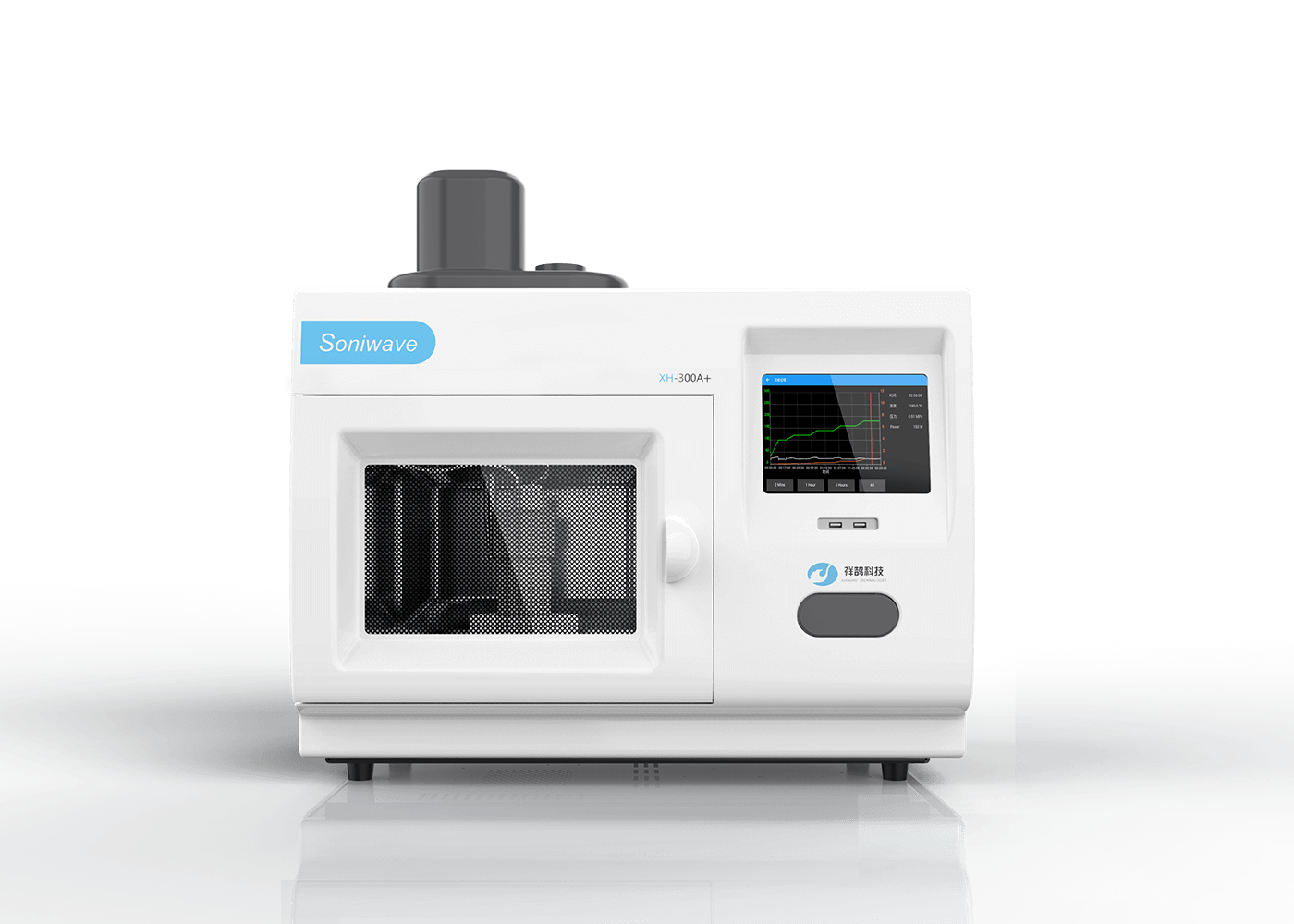
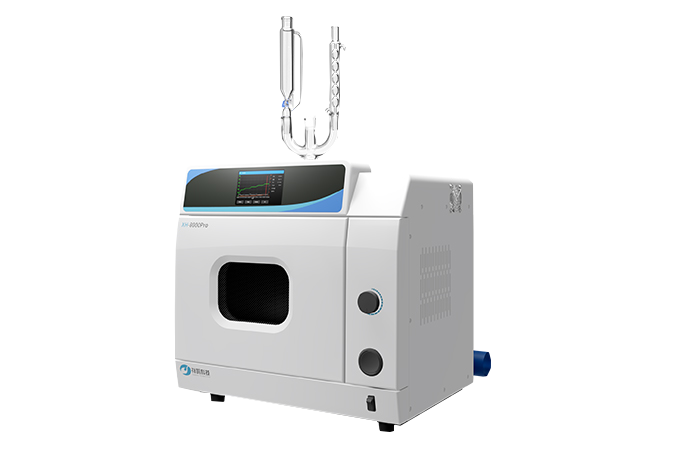
- Equipment: XH-300 series and XH-8000 / XH-8000Plus
- Source: Journal of Materials Chemistry B, 2021
- Research direction: microwave-assisted nanomaterial synthesis
- Key results: Yield 10.52% and Yield 18.16%
Research Abstract
Biomass carbon dots derived from Wedelia trilobata for the direct detection of glutathione and their imaging application in living cells was published in Journal of Materials Chemistry B (2021) and is indexed as a Xianghu Q1 application case for XH-300 series and XH-8000 / XH-8000Plus. The structured source links this paper to microwave-assisted nanomaterial synthesis. Key reported results include Yield 10.52% and Yield 18.16%. The DOI recorded for this paper is 10.1039/D0TB02979C.
Research Background and Problem
Key Result
| Metric | Result |
|---|---|
| Yield | 10.52% |
| Yield | 18.16% |
Evidence Details
Release-kinetics evidence: source values include R² = 0.974, R2 = 0.974.
Release-kinetics evidence: source values include R² = 0.997, R2 = 0.997.
The mixture was stirred for 15 min at room temperature, and then transferred into a 100 mL Teflon-lined autoclave, which was heated in a microwave synthesizer at 150 1C for 1 h.
It was found that the cell viability of L929, HeLa and HepG2 cells was over 85% after incubation with various concentrations of wCDs ranging from 50 to 400 mg mL−1 for 12 h, which demonstrates the low cytotoxicity and good biocompatibility of wCDs.
Additional source evidence: source values include 100 μM, 5 min, 30 min.
The label-free wCDs could also serve as a direct quenching platform for the selective and sensitive detection of GSH by a dynamic quenching effect within 20 s without further modification, and exhibited a good linear response to GSH in a range of 0–3.0 mM with a LOD of 35 mM that fits well with the GSH content in living cells.
Herein, novel rose-red fluorescence carbon dots (wCDs) with a long-wavelength emission of 654 nm were successfully synthesized by a one-step microwave-solvothermal treatment of biomass Wedelia trilobata.
The wCDs were prepared via a versatile microwave synthesizer (XH-8000Plus, Beijing Xianghu Co. Ltd, China).
Additional source evidence: source values include 400 nm, 654 nm.
Additional source evidence: source values include 10 min, 30 min.
Particle-size evidence: source values include 654 nm, 641 nm.
Quantum yield: 10.52%
Quantum yield: 18.16%
Mechanism / Method Highlights
- Release-kinetics evidence: source values include R² = 0.974, R2 = 0.974
- Release-kinetics evidence: source values include R² = 0.997, R2 = 0.997
- Equipment evidence: The mixture was stirred for 15 min at room temperature, and then transferred into a 100 mL Teflon-lined autoclave, which was heated in a microwave synthesizer at 150 1C for 1 h
- Reported outcome: Yield 10.52% and Yield 18.16%.
Application Value
- Positions XH-300 series and XH-8000 / XH-8000Plus in a peer-reviewed Q1 research application.
- Highlights quantitative evidence: Yield 10.52% and Yield 18.16%.
- Records source affiliations: Guangdong Institute Of Microbiology and Guangdong Provincial Key Laboratory of Microbial Culture Collection and Application, State Key Laboratory of Applied Microbiology Southern China, Institute of Microbiology, Guangdong Academy of Sciences, Guangzhou 510070, China.
Related Equipment
FAQ
Which Xianghu instrument is covered by this page?
What is the main application direction?
Which publication does this case come from?
Biomass carbon dots derived from Wedelia trilobata for the direct detection of glutathione and their imaging application in living cells
Journal of Materials Chemistry B, 2021
DOI: 10.1039/D0TB02979C