Fact Snapshot
- Paper: Hydrothermal Microwave Synthesis of Co3O4/In2O3 Nanostructures for Photoelectrocatalytic Reduction of Cr(VI)
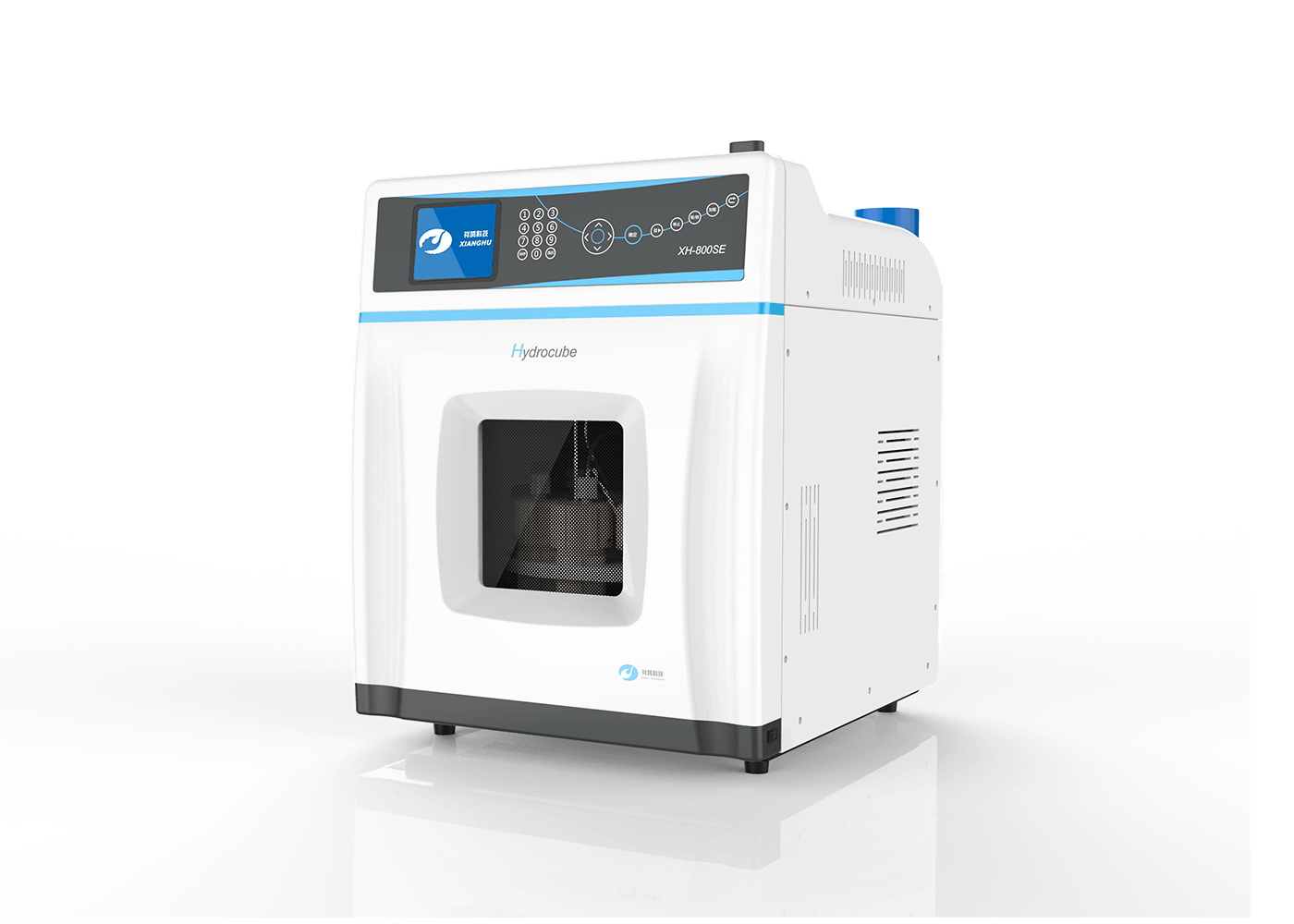
- Equipment: XH-800S
- Source: ACS Applied Nano Materials, 2022
- Research direction: microwave hydrothermal synthesis, Co3O4/In2O3, and Cr(VI)
- Core conditions: Temperature 550 ℃ / 60 ℃ and Time 15 min
- Key results: Specific surface area 32.72 m2/g, Electrocatalytic efficiency 47.33%, Reduction efficiency 95.08%, and Pore volume 0.09 cm3/g
Research Abstract
Hydrothermal Microwave Synthesis of Co3O4/In2O3 Nanostructures for Photoelectrocatalytic Reduction of Cr(VI) was published in ACS Applied Nano Materials (2022) and is indexed as a Xianghu Q1 application case for XH-800S. The source record connects it with microwave hydrothermal synthesis, Co3O4/In2O3, and Cr(VI). Core operating conditions include Temperature 550 ℃ / 60 ℃ and Time 15 min. Key reported results include Specific surface area 32.72 m2/g, Electrocatalytic efficiency 47.33%, Reduction efficiency 95.08%, and Pore volume 0.09 cm3/g.
Research Background and Problem
Equipment Use and Experimental Conditions
| Item | Parameter |
|---|---|
| Temperature | 550 ℃ / 60 ℃ |
| Time | 15 min |
Key Result
| Metric | Result |
|---|---|
| Specific surface area | 32.72 m2/g |
| Electrocatalytic efficiency | 47.33% |
| Reduction efficiency | 95.08% |
| Pore volume | 0.09 cm3/g |
Evidence Details
Energy-comparison evidence: source values include 2 h, 100%.
Release-kinetics evidence: source values include R2 = 2.
Ultrasonic-method evidence: source values include 30 mg, 15 mg, 6 mg, 1 mL, 15 min, 60 °C, 12 h, 10 mg, 100 mL.
Microwave-method evidence: source values include 1.455 g, 1.8 g, 50 mL, 0.03:1, 0.05:1, 0.07:1. Entities: XH-800S.
the resulting solution was then transferred to a microwave-hydrothermal parallel synthesizer (Beijing XiangHu Science and Technology Development Co., Ltd, XH-800S, China). By applying a microwave power of 1000 W, the reaction temperature was raised to 120 °C within 30 min. After hydrothermal reaction at 120 °C for 2 h
Additional source evidence: source values include 450 °C, 5%, 400 °C, 47.33%, 7.79%, 100%. Entities: CI-5.
Additional source evidence: source values include 450 °C, 95.08%, 86.83%, 73.88%, 5%. Entities: CI-5, CI-7, CI-3.
Additional source evidence: source values include 10 mg, 100 mL, 120 min, 100%.
Microwave-method evidence: source values include 550 °C, 2 h. Entities: XH-800S, CI-M-T.
after five cycles of experiments, the photocatalyst still maintains an efficient catalytic reduction rate of more than 85%
Mechanism / Method Highlights
- Method context: Temperature 550 ℃ / 60 ℃ and Time 15 min.
- Energy-comparison evidence: source values include 2 h, 100%
- Release-kinetics evidence: source values include R2 = 2
- Ultrasonic-method evidence: source values include 30 mg, 15 mg, 6 mg, 1 mL, 15 min, 60 °C, 12 h, 10 mg, 100 mL
- Reported outcome: Specific surface area 32.72 m2/g, Electrocatalytic efficiency 47.33%, Reduction efficiency 95.08%, and Pore volume 0.09 cm3/g.
Application Value
- Provides a peer-reviewed SoarNova / Xianghu Q1 application case for XH-800S.
- Supports English discovery around Microwave hydrothermal synthesis, Co3O4/In2O3, and Cr(VI).
- Preserves quantitative result evidence: Specific surface area 32.72 m2/g, Electrocatalytic efficiency 47.33%, Reduction efficiency 95.08%, and Pore volume 0.09 cm3/g.
- Maintains source-level evidence details: Energy-comparison evidence: source values include 2 h, 100%, Release-kinetics evidence: source values include R2 = 2, Ultrasonic-method evidence: source values include 30 mg, 15 mg, 6 mg, 1 mL, 15 min, 60 °C, 12 h, 10 mg, 100 mL, and Microwave-method evidence: source values include 1.455 g, 1.8 g, 50 mL, 0.03:1, 0.05:1, 0.07:1. Entities: XH-800S.
Related Equipment
FAQ
Which Xianghu instrument is covered by this page?
What is the main application direction?
Which publication does this case come from?
Hydrothermal Microwave Synthesis of Co3O4/In2O3 Nanostructures for Photoelectrocatalytic Reduction of Cr(VI)
ACS Applied Nano Materials, 2022
DOI: 10.1021/acsanm.2c00107