Fact Snapshot
- Paper: 3D printing nanocomposites with enhanced mechanical property and excellent electromagnetic wave absorption capability via the introduction of ZIF-derivative modified carbon fibers
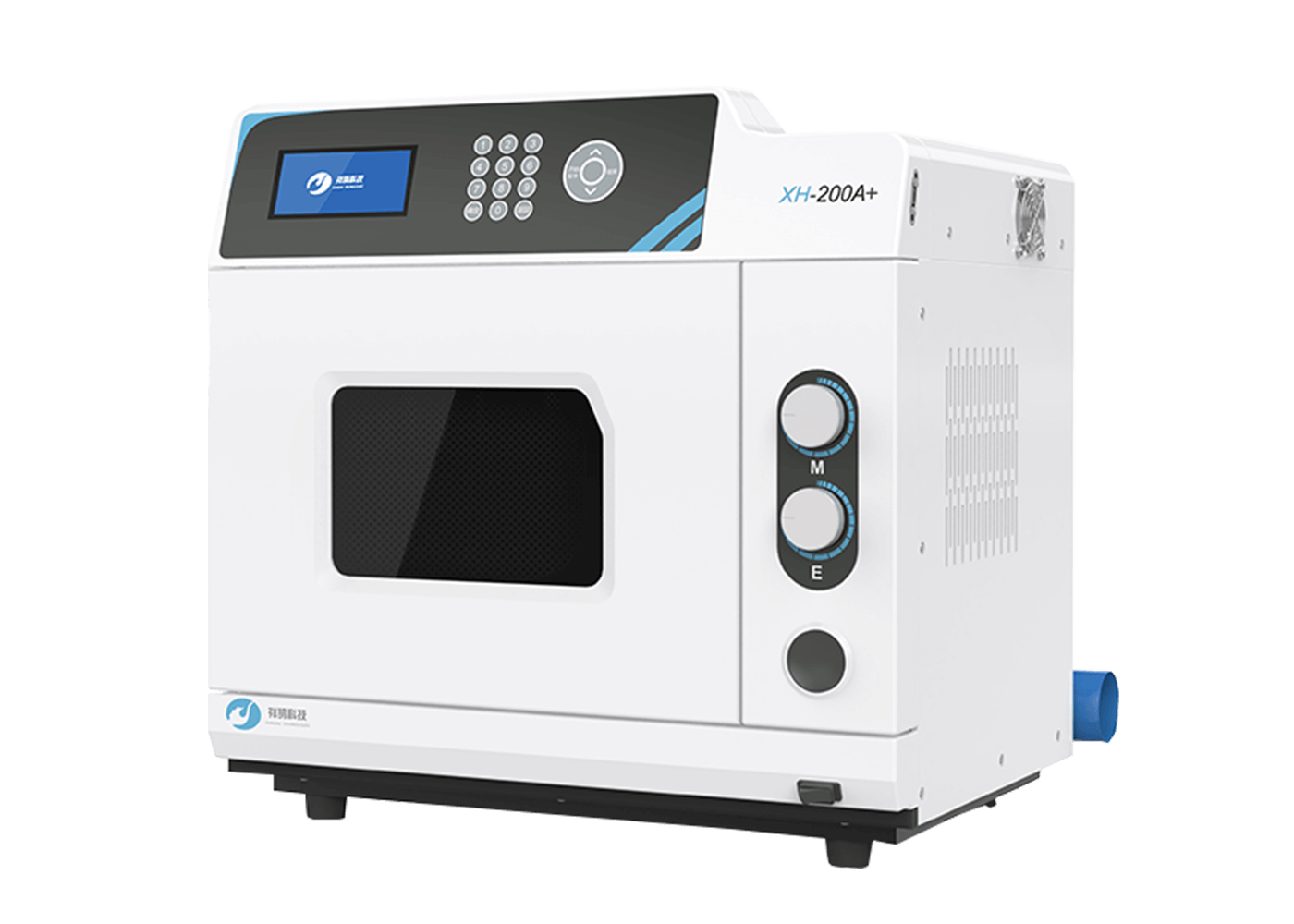
- Equipment: XH-200A / XH-200C
- Source: Composites Part B: Engineering, 2022
- Research direction: MOF and 3D
- Core conditions: Temperature 190 °C and Power 400 W
- Key results: Tensile strength 34.57 MPa
Research Abstract
3D printing nanocomposites with enhanced mechanical property and excellent electromagnetic wave absorption capability via the introduction of ZIF-derivative modified carbon fibers was published in Composites Part B: Engineering (2022) and is indexed as a Xianghu Q1 application case for XH-200A / XH-200C. The source record connects it with MOF and 3D. Core operating conditions include Temperature 190 °C and Power 400 W. Key reported results include Tensile strength 34.57 MPa.
Research Background and Problem
Equipment Use and Experimental Conditions
| Item | Parameter |
|---|---|
| Temperature | 190 °C |
| Power | 400 W |
Key Result
| Metric | Result |
|---|---|
| Tensile strength | 34.57 MPa |
Evidence Details
The tensile strength of the PLA nanocomposites with the CoNC@CF mass fraction of 5%, 10%, and 15% reached 23.41, 28.32, and 37.11 MPa, which were 114%, 137%, and 180% of that of pure PLA parts, respectively.
Additional source evidence: source values include 1:10, 700 °C, 2 h, 5%, 10%, 15%, 190 °C. Entities: ZIF-67.
The microwave reactor (XH-200C, Beijing XiangHu Technology Development Co., Ltd.) was used for further processing of the 3D printed parts with a power of 400 W.
As the microwave processing time was only 30 s, the tensile strength of 10% CoNC@CF-PLA gradually had raised to 34.57 MPa as shown in Fig. 7 (c).
Mechanism / Method Highlights
- Method context: Temperature 190 °C and Power 400 W.
- Source evidence: The tensile strength of the PLA nanocomposites with the CoNC@CF mass fraction of 5%, 10%, and 15% reached 23.41, 28.32, and 37.11 MPa, which were 114%, 137%, and 180% of that of pure PLA parts, respectively
- Additional source evidence: source values include 1:10, 700 °C, 2 h, 5%, 10%, 15%, 190 °C. Entities: ZIF-67
- Equipment evidence: The microwave reactor (XH-200C, Beijing XiangHu Technology Development Co., Ltd.) was used for further processing of the 3D printed parts with a power of 400 W
- Reported outcome: Tensile strength 34.57 MPa.
Application Value
- Provides a peer-reviewed SoarNova / Xianghu Q1 application case for XH-200A / XH-200C.
- Supports English discovery around MOF and 3D.
- Preserves quantitative result evidence: Tensile strength 34.57 MPa.
- Maintains source-level evidence details: Source evidence: The tensile strength of the PLA nanocomposites with the CoNC@CF mass fraction of 5%, 10%, and 15% reached 23.41, 28.32, and 37.11 MPa, which were 114%, 137%, and 180% of that of pure PLA parts, respectively, Additional source evidence: source values include 1:10, 700 °C, 2 h, 5%, 10%, 15%, 190 °C. Entities: ZIF-67, Equipment evidence: The microwave reactor (XH-200C, Beijing XiangHu Technology Development Co., Ltd.) was used for further processing of the 3D printed parts with a power of 400 W, and Source evidence: As the microwave processing time was only 30 s, the tensile strength of 10% CoNC@CF-PLA gradually had raised to 34.57 MPa as shown in Fig. 7 (c).
Related Equipment
FAQ
Which Xianghu instrument is covered by this page?
What is the main application direction?
Which publication does this case come from?
3D printing nanocomposites with enhanced mechanical property and excellent electromagnetic wave absorption capability via the introduction of ZIF-derivative modified carbon fibers
Composites Part B: Engineering, 2022
DOI: 10.1016/j.compositesb.2022.109658