Fact Snapshot
- Paper: Microwave hydrothermal renovating and reassembling spent lithium cobalt oxide for lithium-ion battery
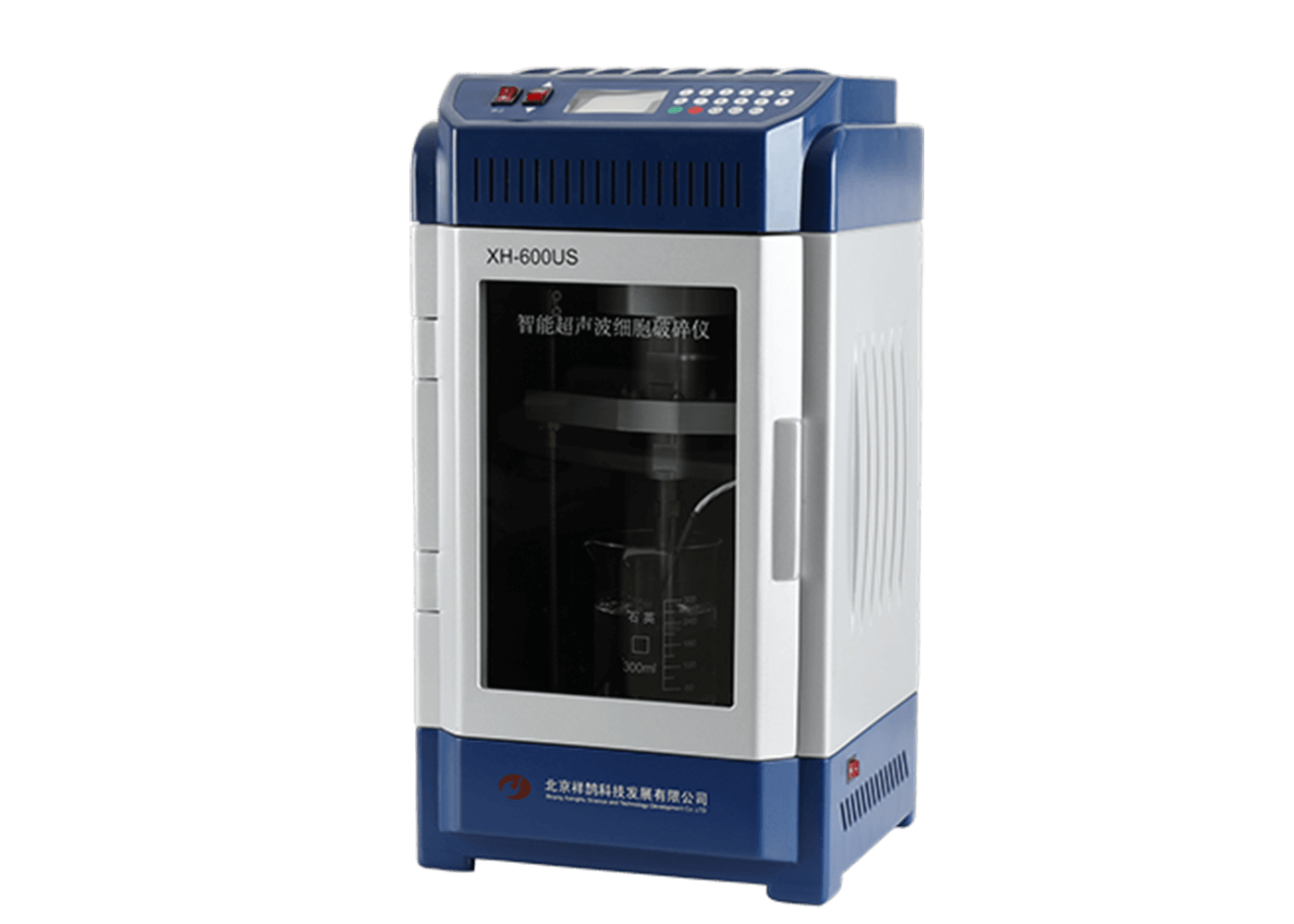
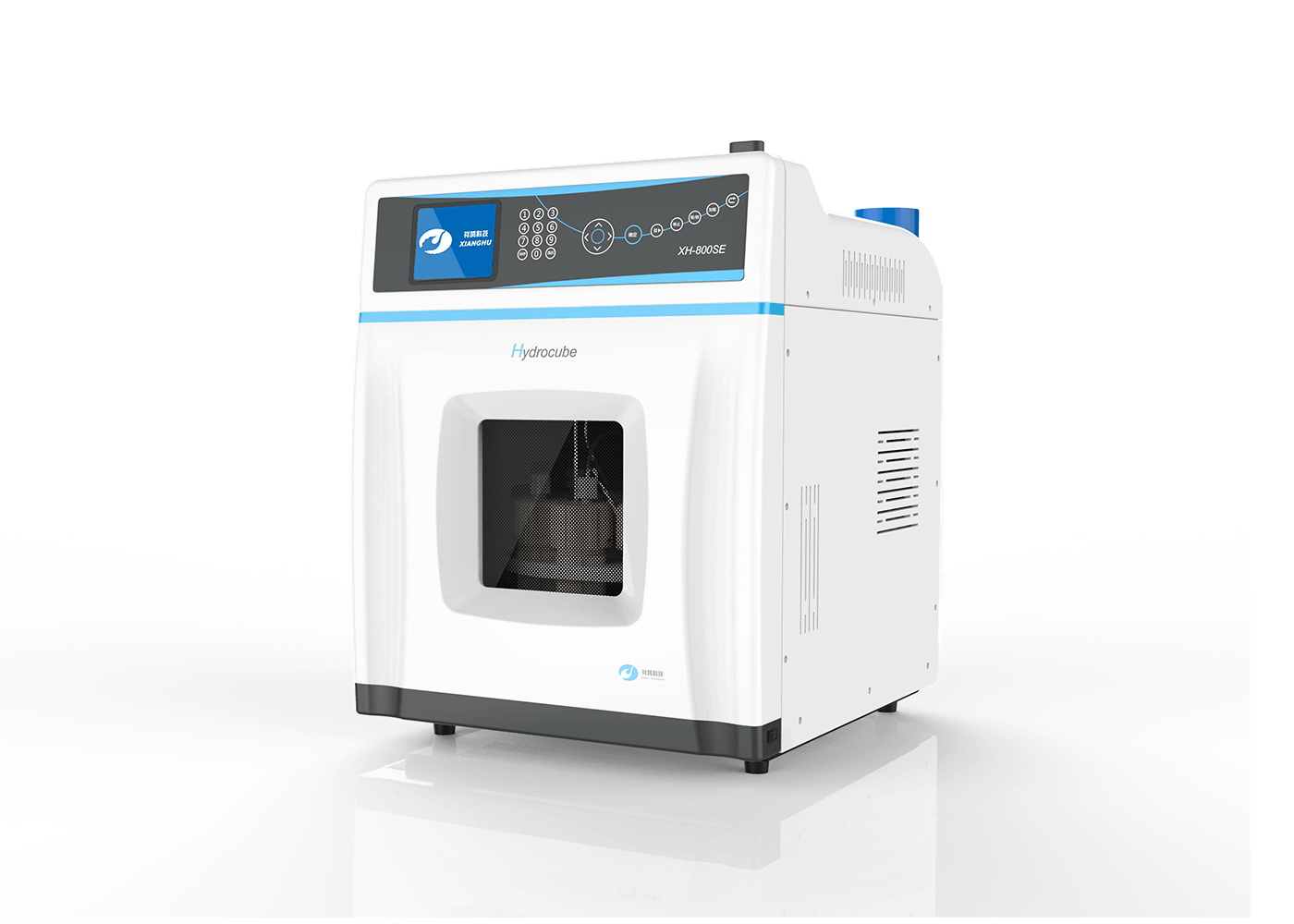
- Equipment: XH-600 and XH-800S
- Source: Waste Management, 2022
- Research direction: spent lithium-ion battery recycling, direct cathode regeneration, microwave hydrothermal repair, and high-rate lithium cobalt oxide materials
- Core conditions: Temperature 220 ℃ and Time 120 min / 4 h / 45 min
- Key results: High-rate retention 92.1%, Capacity retention 94.5%, Cycle retention 87.3%, and Initial discharge capacity 151.5 mAh g-1
Research Abstract
Microwave hydrothermal renovating and reassembling spent lithium cobalt oxide for lithium-ion battery was published in Waste Management (2022) and is indexed as a Xianghu Q1 application case for XH-600 and XH-800S. The source record connects it with spent lithium-ion battery recycling, direct cathode regeneration, microwave hydrothermal repair, and high-rate lithium cobalt oxide materials. Core operating conditions include Temperature 220 ℃ and Time 120 min / 4 h / 45 min. Key reported results include High-rate retention 92.1%, Capacity retention 94.5%, Cycle retention 87.3%, and Initial discharge capacity 151.5 mAh g-1.
Research Background and Problem
Equipment Use and Experimental Conditions
| Item | Parameter |
|---|---|
| Temperature | 220 ℃ |
| Time | 120 min / 4 h / 45 min |
Key Result
| Metric | Result |
|---|---|
| High-rate retention | 92.1% |
| Capacity retention | 94.5% |
| Cycle retention | 87.3% |
| Discharge capacity | 141.7 mAh g-1 |
| Discharge capacity | 153.8 mAh g-1 |
| Initial discharge capacity | 151.5 mAh g-1 |
Evidence Details
Ultrasonic-method evidence: source values include 2 g, 50 mL, 100 mL, 220 °C, 120 min, 5 °C, 800 °C, 4 h. Entities: XH-800G, N-methyl-2-pyrrolidone, M-30, AM-30.
The discharge capacity is still up to 143.2 mAh g−1 after 100 cycles, and the cycle retention rate is as high as 94.5%, which is better than that of commercial lithium cobalt oxide (87.3%), AHLCOE (80.7%).
Microwave-method evidence: source values include 45 min, 220 °C, 4 h.
Particle-size evidence: source values include 45 min, 12.03 ± 1.08 μm, 120 min. Entities: AM-45.
Additional source evidence: source values include 92.1%, 89.7%, 88.3%. Entities: AM-45.
Mechanism / Method Highlights
- Method context: Temperature 220 ℃ and Time 120 min / 4 h / 45 min.
- Ultrasonic-method evidence: source values include 2 g, 50 mL, 100 mL, 220 °C, 120 min, 5 °C, 800 °C, 4 h. Entities: XH-800G, N-methyl-2-pyrrolidone, M-30, AM-30
- Source evidence: The discharge capacity is still up to 143.2 mAh g−1 after 100 cycles, and the cycle retention rate is as high as 94.5%, which is better than that of commercial lithium cobalt oxide (87.3%), AHLCOE (80.7%)
- Microwave-method evidence: source values include 45 min, 220 °C, 4 h
- Reported outcome: High-rate retention 92.1%, Capacity retention 94.5%, Cycle retention 87.3%, and Initial discharge capacity 151.5 mAh g-1.
Application Value
- Positions XH-600 and XH-800S in a peer-reviewed Q1 research application.
- Highlights quantitative evidence: High-rate retention 92.1%, Capacity retention 94.5%, and Cycle retention 87.3%.
- Records source affiliations: Central South University and School of Chemistry and Chemical Engineering, Central South University, Changsha 410083, China.
Related Equipment
FAQ
Which Xianghu instrument is covered by this page?
What is the main application direction?
Which publication does this case come from?
Microwave hydrothermal renovating and reassembling spent lithium cobalt oxide for lithium-ion battery
Waste Management, 2022
DOI: 10.1016/j.wasman.2022.02.024