Fact Snapshot
- Paper: Valence-mixed iron phthalocyanines/(1 0 0) Bi2MoO6 nanosheet Z-scheme heterojunction catalysts for efficient visible-light degradation of 2-chlorophenol via preferential dechlorination
- Equipment: XH-800S
- Source: Chemical Engineering Journal, 2022
- Research direction: microwave hydrothermal
- Core conditions: Temperature 180 ℃ / 80 ℃ and Time 20 min
- Key results: Activity 4.5-fold and Activity 2-fold
Research Abstract
Valence-mixed iron phthalocyanines/(1 0 0) Bi2MoO6 nanosheet Z-scheme heterojunction catalysts for efficient visible-light degradation of 2-chlorophenol via preferential dechlorination was published in Chemical Engineering Journal (2022) and is indexed as a Xianghu Q1 application case for XH-800S. The source record connects it with microwave hydrothermal. Core operating conditions include Temperature 180 ℃ / 80 ℃ and Time 20 min. Key reported results include Activity 4.5-fold and Activity 2-fold.
Research Background and Problem
Equipment Use and Experimental Conditions
| Item | Parameter |
|---|---|
| Temperature | 180 ℃ / 80 ℃ |
| Time | 20 min |
Key Result
| Metric | Result |
|---|---|
| Activity | 4.5-fold |
| Activity | 2-fold |
Evidence Details
Microwave-method evidence: source values include 100 mL, 180 °C, 20 min, 80 °C. Entities: XH-800S.
Release-kinetics evidence: source values include 0.009 min, 2.5 fold, 4.5 fold. Entities: H-FePc.
Herein, ultrathin (100) facet-exposed Bi2MoO6 (BMO) nanosheets (~6 nm thickness) with enhanced selective adsorption for 2-CP due to the Bi-Cl interaction and highly visible-light activity for 2-CP degradation have been synthesized via a pH-controlled microwave-assisted hydrothermal process.
These results confirmed that selective adsorption induces the photogenerated-holes as dominant active species to show nearly 100% dechlorination using BMO-based photocatalysts.
Additional source evidence: source values include 5:95, 160H. Entities: H-FePc.
Additional source evidence: source values include 100%, 98 ± 1%.
Structured key result: source values include 2 fold.
Mechanism / Method Highlights
- Method context: Temperature 180 ℃ / 80 ℃ and Time 20 min.
- Microwave-method evidence: source values include 100 mL, 180 °C, 20 min, 80 °C. Entities: XH-800S
- Release-kinetics evidence: source values include 0.009 min, 2.5 fold, 4.5 fold. Entities: H-FePc
- Abstract evidence: Herein, ultrathin (100) facet-exposed Bi2MoO6 (BMO) nanosheets (~6 nm thickness) with enhanced selective adsorption for 2-CP due to the Bi-Cl interaction and highly visible-light activity for 2-CP degradation have been synthesized via a pH-controlled microwave-assisted hydrothermal process
- Reported outcome: Activity 4.5-fold and Activity 2-fold.
Application Value
- Provides a peer-reviewed SoarNova / Xianghu Q1 application case for XH-800S.
- Supports English discovery around microwave hydrothermal.
- Preserves quantitative result evidence: Activity 4.5-fold and Activity 2-fold.
- Maintains source-level evidence details: Microwave-method evidence: source values include 100 mL, 180 °C, 20 min, 80 °C. Entities: XH-800S, Release-kinetics evidence: source values include 0.009 min, 2.5 fold, 4.5 fold. Entities: H-FePc, Abstract evidence: Herein, ultrathin (100) facet-exposed Bi2MoO6 (BMO) nanosheets (~6 nm thickness) with enhanced selective adsorption for 2-CP due to the Bi-Cl interaction and highly visible-light activity for 2-CP degradation have been synthesized via a pH-controlled microwave-assisted hydrothermal process, and Source evidence: These results confirmed that selective adsorption induces the photogenerated-holes as dominant active species to show nearly 100% dechlorination using BMO-based photocatalysts.
Related Equipment
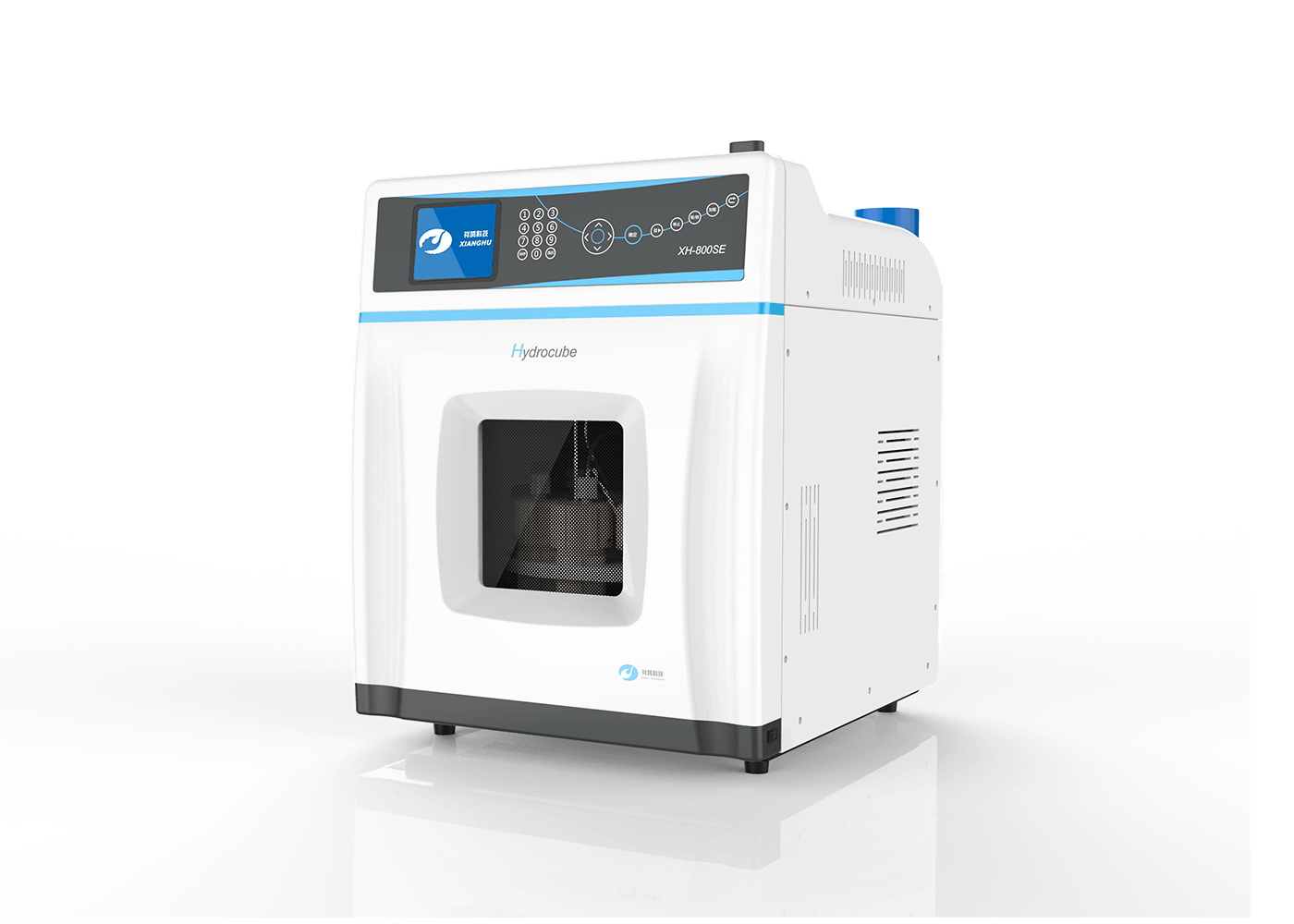
FAQ
Which Xianghu instrument is covered by this page?
What is the main application direction?
Which publication does this case come from?
Valence-mixed iron phthalocyanines/(1 0 0) Bi2MoO6 nanosheet Z-scheme heterojunction catalysts for efficient visible-light degradation of 2-chlorophenol via preferential dechlorination
Chemical Engineering Journal, 2022
DOI: 10.1016/j.cej.2022.135786