Fact Snapshot
- Paper: In situ reconstruction of vegetable sponge-like Bi2O3 for efficient CO2 electroreduction to formate
- Equipment: XH-300UL-2+ and XH-300UL-2
- Source: Materials Chemistry Frontiers, 2022
- Research direction: CO2
- Core conditions: Temperature 150 ℃ / 60 ℃ / 500 ℃, Microwave power 300 W, Ultrasonic power 500 W, and Time 10 min / 12 h / 30 min
- Key results: Formate Faradaic efficiency 85.3%, Formate Faradaic efficiency 93.7%, Formate Faradaic efficiency 94.9%, and Formate Faradaic efficiency 93.6%
Research Abstract
In situ reconstruction of vegetable sponge-like Bi2O3 for efficient CO2 electroreduction to formate was published in Materials Chemistry Frontiers (2022) and is indexed as a Xianghu Q1 application case for XH-300UL-2+ and XH-300UL-2. The source record connects it with CO2. Core operating conditions include Temperature 150 ℃ / 60 ℃ / 500 ℃, Microwave power 300 W, Ultrasonic power 500 W, and Time 10 min / 12 h / 30 min. Key reported results include Formate Faradaic efficiency 85.3%, Formate Faradaic efficiency 93.7%, Formate Faradaic efficiency 94.9%, and Formate Faradaic efficiency 93.6%.
Research Background and Problem
Equipment Use and Experimental Conditions
| Item | Parameter |
|---|---|
| Temperature | 150 ℃ / 60 ℃ / 500 ℃ |
| Microwave power | 300 W |
| Ultrasonic power | 500 W |
| Time | 10 min / 12 h / 30 min |
Key Result
| Metric | Result |
|---|---|
| Formate Faradaic efficiency | 85.3% |
| Formate Faradaic efficiency | 93.7% |
| Formate Faradaic efficiency | 94.9% |
| Formate Faradaic efficiency | 93.6% |
| Wide potential window | 93% |
Evidence Details
Ultrasonic-method evidence: source values include 300 W, 500 W, 10 min, 150 °C, 60 °C, 12 h, 500 °C, 1 h. Entities: VS-Bi2O3, B-Bi2O3.
Ultrasonic-method evidence: source values include 11.5 mg, 1 mL, 30 min, 10 mL. Entities: VS-Bi2O3, XA-9.
Ultrasonic-method evidence: source values include 489.8 mg, 505.0 mg, 50 mL. Entities: XH-300UL-2, VS-Bi2O3.
The maximum FE(HCOO−) of 94.9% appears at −1.12 V delivering a current density of 300 mA cm−2. The overall current density of 400 mA cm−2 is achieved at a potential of −1.29 V, in the meantime sustaining a high FE(HCOO−) of around 93.7%.
The catalyst delivers a 93.7% faradaic efficiency of formate at 400 mA cm−2 and shows stability for over 18 h at 100 mA cm−2.
Additional source evidence: source values include 93.6%, 93%, 94.9%. Entities: VS-Bi2O3.
Formate Faradaic efficiency: 85.3%
Mechanism / Method Highlights
- Method context: Temperature 150 ℃ / 60 ℃ / 500 ℃, Microwave power 300 W, Ultrasonic power 500 W, and Time 10 min / 12 h / 30 min.
- Ultrasonic-method evidence: source values include 300 W, 500 W, 10 min, 150 °C, 60 °C, 12 h, 500 °C, 1 h. Entities: VS-Bi2O3, B-Bi2O3
- Ultrasonic-method evidence: source values include 11.5 mg, 1 mL, 30 min, 10 mL. Entities: VS-Bi2O3, XA-9
- Ultrasonic-method evidence: source values include 489.8 mg, 505.0 mg, 50 mL. Entities: XH-300UL-2, VS-Bi2O3
- Reported outcome: Formate Faradaic efficiency 85.3%, Formate Faradaic efficiency 93.7%, Formate Faradaic efficiency 94.9%, and Formate Faradaic efficiency 93.6%.
Application Value
- Provides a peer-reviewed SoarNova / Xianghu Q1 application case for XH-300UL-2+ and XH-300UL-2.
- Supports English discovery around CO2.
- Preserves quantitative result evidence: Formate Faradaic efficiency 85.3%, Formate Faradaic efficiency 93.7%, Formate Faradaic efficiency 94.9%, and Formate Faradaic efficiency 93.6%.
- Maintains source-level evidence details: Ultrasonic-method evidence: source values include 300 W, 500 W, 10 min, 150 °C, 60 °C, 12 h, 500 °C, 1 h. Entities: VS-Bi2O3, B-Bi2O3, Ultrasonic-method evidence: source values include 11.5 mg, 1 mL, 30 min, 10 mL. Entities: VS-Bi2O3, XA-9, Ultrasonic-method evidence: source values include 489.8 mg, 505.0 mg, 50 mL. Entities: XH-300UL-2, VS-Bi2O3, and Source evidence: The maximum FE(HCOO−) of 94.9% appears at −1.12 V delivering a current density of 300 mA cm−2. The overall current density of 400 mA cm−2 is achieved at a potential of −1.29 V, in the meantime sustaining a high FE(HCOO−) of around 93.7%.
Related Equipment
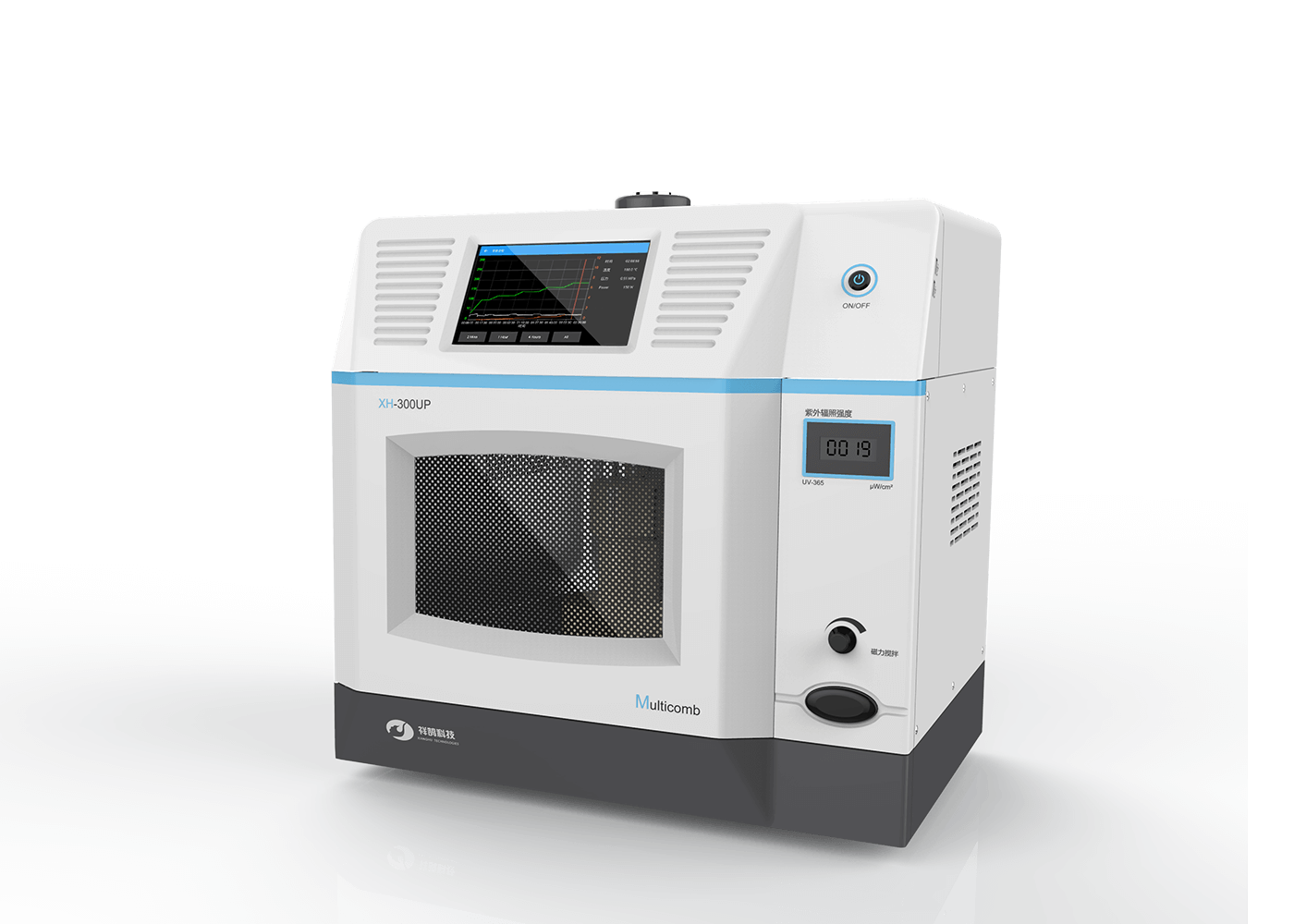
FAQ
Which Xianghu instrument is covered by this page?
What is the main application direction?
Which publication does this case come from?
In situ reconstruction of vegetable sponge-like Bi2O3 for efficient CO2 electroreduction to formate
Materials Chemistry Frontiers, 2022
DOI: 10.1039/D1QM01557E