Fact Snapshot
- Paper: Room-temperature gas sensors based on titanium dioxide quantum dots for highly sensitive and selective H2S detection
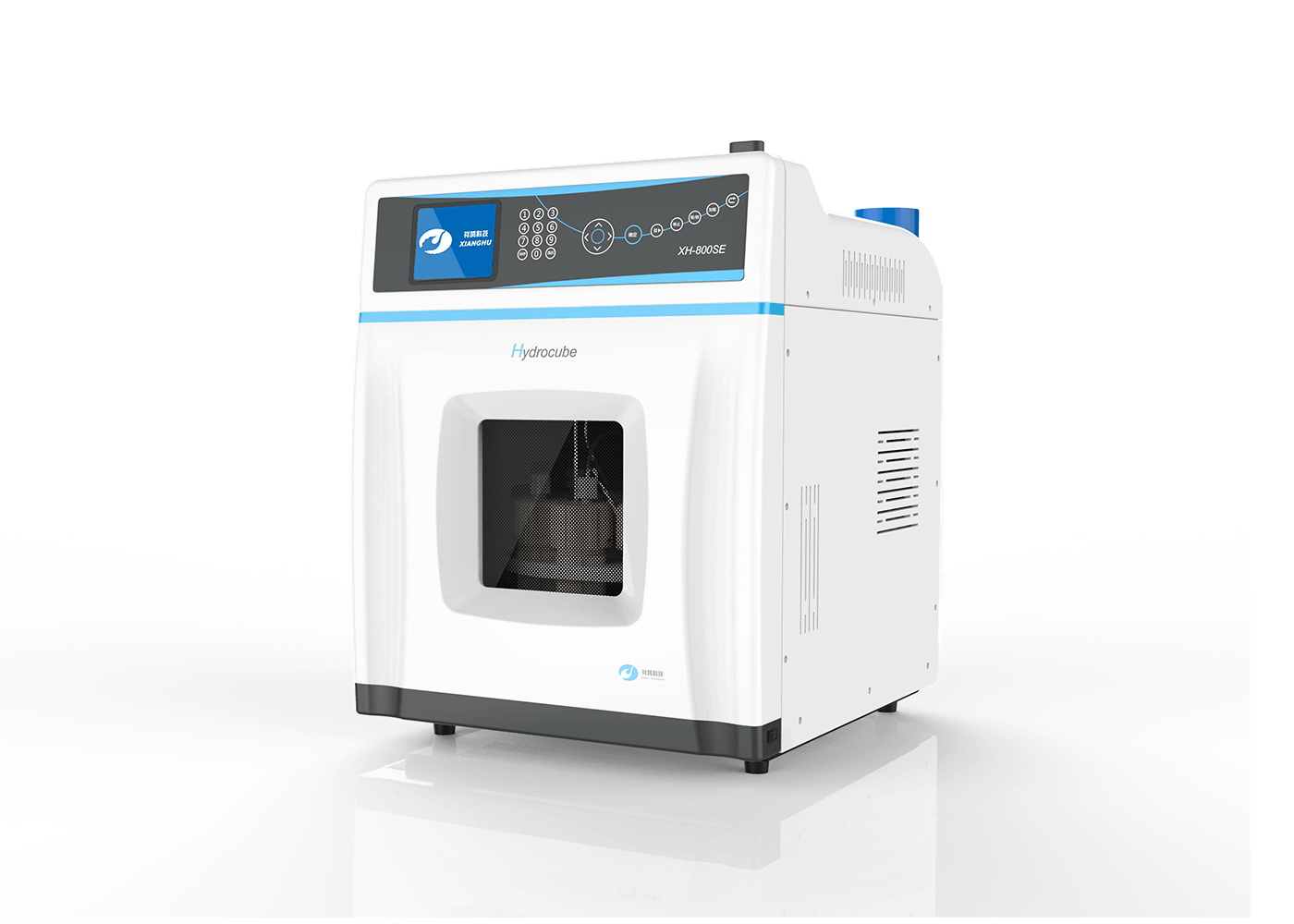
- Equipment: XH-800S
- Source: Applied Surface Science, 2022
- Research direction: room-temperature gas sensor and microwave-assisted nanomaterial synthesis
- Key results: Specific surface area 213.225 m2/g and Average particle size 5.6 nm
Research Abstract
Room-temperature gas sensors based on titanium dioxide quantum dots for highly sensitive and selective H2S detection was published in Applied Surface Science (2022) and is indexed as a Xianghu Q1 application case for XH-800S. The structured source links this paper to room-temperature gas sensor and microwave-assisted nanomaterial synthesis. Key reported results include Specific surface area 213.225 m2/g and Average particle size 5.6 nm. The DOI recorded for this paper is 10.1016/j.apsusc.2022.152744.
Research Background and Problem
Key Result
| Metric | Result |
|---|---|
| Specific surface area | 213.225 m2/g |
| Average particle size | 5.6 nm |
Evidence Details
Release-kinetics evidence: source values include R2 = 0.9994.
it was transferred to a 60 mL Teflon autoclave and placed into the microwave solvothermal synthesis instrument (XH-800G, Beijing Xianghu Technologies Development Co., Ltd.). It was then maintained at 120 ◦C and 500 W for 1 h
Composition evidence: source values include 30%, 40%, 50%, 25 g.
Particle-size evidence: source values include 50 nm, 5 nm, 2L.
Particle-size evidence: source values include 5.6 nm, 0.356 nm.
Additional source evidence: source values include 34 s, 470 s.
Mechanism / Method Highlights
- Release-kinetics evidence: source values include R2 = 0.9994
- Equipment evidence: it was transferred to a 60 mL Teflon autoclave and placed into the microwave solvothermal synthesis instrument (XH-800G, Beijing Xianghu Technologies Development Co., Ltd.). It was then maintained at 120 ◦C and 500 W for 1 h
- Composition evidence: source values include 30%, 40%, 50%, 25 g
- Reported outcome: Specific surface area 213.225 m2/g and Average particle size 5.6 nm.
Application Value
- Positions XH-800S in a peer-reviewed Q1 research application.
- Highlights quantitative evidence: Specific surface area 213.225 m2/g and Average particle size 5.6 nm.
- Records source affiliations: Yangzhou University and College of Mechanical Engineering, Yangzhou University, Yangzhou 225127, PR China.
Related Equipment
FAQ
Which Xianghu instrument is covered by this page?
What is the main application direction?
Which publication does this case come from?
Room-temperature gas sensors based on titanium dioxide quantum dots for highly sensitive and selective H2S detection
Applied Surface Science, 2022
DOI: 10.1016/j.apsusc.2022.152744