Fact Snapshot
- Paper: Effect of promoter in hierarchical hollow Pt/Beta catalysts on the hydrodeoxygenation of phenol
- Equipment: XH-300 series
- Source: FUEL, 2022
- Research direction: Research application
- Key results: Conversion 100%, Conversion 57.2%, Conversion 56.3%, and Conversion 20%
Research Abstract
Effect of promoter in hierarchical hollow Pt/Beta catalysts on the hydrodeoxygenation of phenol was published in FUEL (2022) and is indexed as a Xianghu Q1 application case for XH-300 series. The source record connects it with Research application. Key reported results include Conversion 100%, Conversion 57.2%, Conversion 56.3%, and Conversion 20%.
Research Background and Problem
Key Result
| Metric | Result |
|---|---|
| Conversion | 100% |
| Conversion | 57.2% |
| Conversion | 56.3% |
| Conversion | 20% |
| Particle size | 3.9 ± 0.25 nm |
Evidence Details
Activation-energy evidence: source values include 90.7 kJ/mol, 56.3%, 20%.
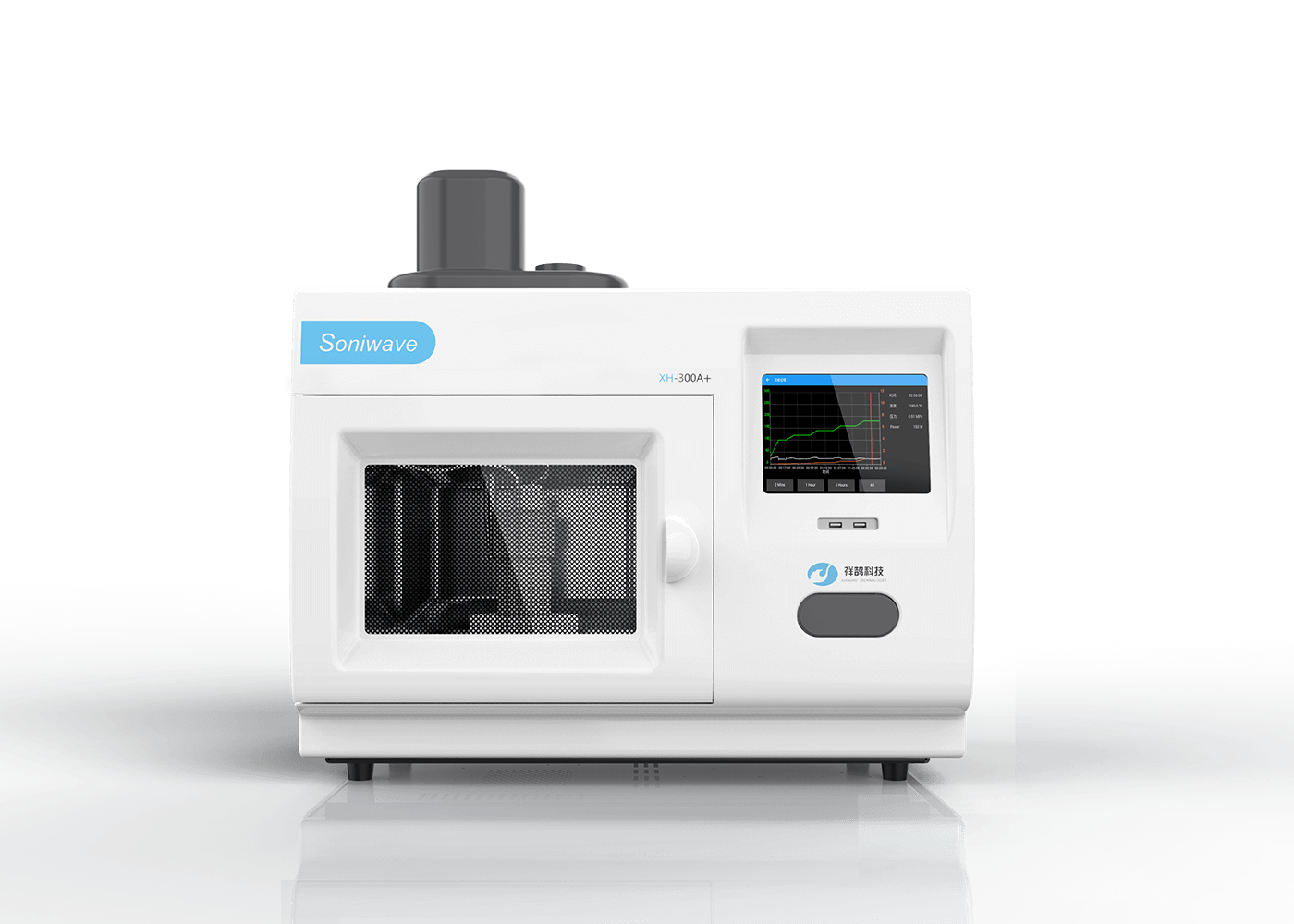
Treatment temperature was set at 70 ◦C for 2 h at 600 W in a microwave apparatus (Beijing Xianghu Science and Technology Development Co., Ltd, XH-300UL).
When the loading of Pt is 0.2 wt%, the conversion of phenol increases from 57.2% to 100% (using Pt/Beta-P) and from 83.4% to 100% (using Pt/Beta-D).
Additional source evidence: source values include 1 h, 57.2%, 100%, 83.4%. Entities: Beta-P, Beta-D, Beta-S.
Particle-size evidence: source values include 3.9 ± 0.25 nm, 3.9 ± 0.35 nm, 4.1 ± 0.35 nm. Entities: Beta-P, Beta-D, Beta-S.
After alkaline treatment, Beta molecular sieves were filtered, washed, and dried at 100 ◦C for 12 h. Similar with the protocol above, DTAB or STAB was added in the NaOH solution to modify H-Beta powders.
Additional source evidence: source values include 55.1%, 51.7%. Entities: Beta-D, Beta-S, Beta-A.
Additional source evidence: source values include 50-100 °C, 60%.
Mechanism / Method Highlights
- Activation-energy evidence: source values include 90.7 kJ/mol, 56.3%, 20%
- Equipment evidence: Treatment temperature was set at 70 ◦C for 2 h at 600 W in a microwave apparatus (Beijing Xianghu Science and Technology Development Co., Ltd, XH-300UL)
- Source evidence: When the loading of Pt is 0.2 wt%, the conversion of phenol increases from 57.2% to 100% (using Pt/Beta-P) and from 83.4% to 100% (using Pt/Beta-D)
- Reported outcome: Conversion 100%, Conversion 57.2%, Conversion 56.3%, and Conversion 20%.
Application Value
- Provides a peer-reviewed SoarNova / Xianghu Q1 application case for XH-300 series.
- Supports English discovery around Research application.
- Preserves quantitative result evidence: Conversion 100%, Conversion 57.2%, Conversion 56.3%, and Conversion 20%.
- Maintains source-level evidence details: Activation-energy evidence: source values include 90.7 kJ/mol, 56.3%, 20%, Equipment evidence: Treatment temperature was set at 70 ◦C for 2 h at 600 W in a microwave apparatus (Beijing Xianghu Science and Technology Development Co., Ltd, XH-300UL), Source evidence: When the loading of Pt is 0.2 wt%, the conversion of phenol increases from 57.2% to 100% (using Pt/Beta-P) and from 83.4% to 100% (using Pt/Beta-D), and Additional source evidence: source values include 1 h, 57.2%, 100%, 83.4%. Entities: Beta-P, Beta-D, Beta-S.
Related Equipment
FAQ
Which Xianghu instrument is covered by this page?
What research direction does this page support?
Which publication does this case come from?
Effect of promoter in hierarchical hollow Pt/Beta catalysts on the hydrodeoxygenation of phenol
FUEL, 2022
DOI: 10.1016/j.fuel.2022.123534