Fact Snapshot
- Paper: Simultaneous extraction of polysaccharides and polyphenols from blackcurrant fruits: Comparison between response surface methodology and artificial neural networks
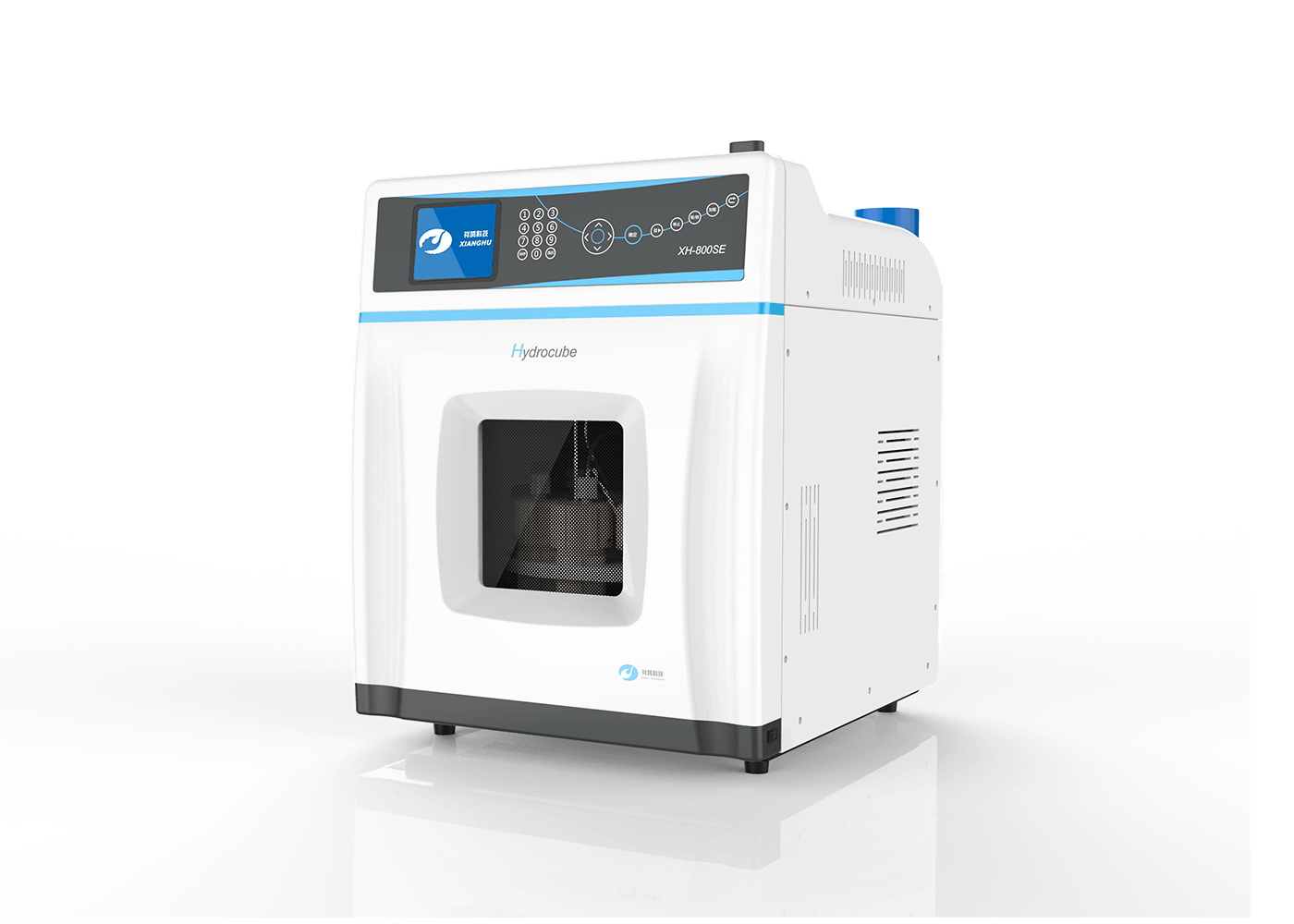
- Equipment: XH-800S
- Source: Industrial Crops and Products, 2021
- Research direction: Research application
- Core conditions: Temperature 60 °C / 60.92 °C, Microwave power 600 W, Power 640.78 W, and Time 15 min / 9.78 min
- Key results: Yield 10.59%, Yield -14.28%, Polysaccharide yield 36.99%, and Polysaccharide yield 38.62%
Research Abstract
Simultaneous extraction of polysaccharides and polyphenols from blackcurrant fruits: Comparison between response surface methodology and artificial neural networks was published in Industrial Crops and Products (2021) and is indexed as a SoarNova / Xianghu Q1 application case for XH-800S. The source record connects it with Research application. Core operating conditions include Temperature 60 °C / 60.92 °C, Microwave power 600 W, Power 640.78 W, and Time 15 min / 9.78 min. Key reported results include Yield 10.59%, Yield -14.28%, Polysaccharide yield 36.99%, and Polysaccharide yield 38.62%.
Research Background and Problem
Equipment Use and Experimental Conditions
| Item | Parameter |
|---|---|
| Temperature | 60 °C / 60.92 °C |
| Microwave power | 600 W |
| Power | 640.78 W |
| Time | 15 min / 9.78 min |
Key Result
| Metric | Result |
|---|---|
| Yield | 10.59% |
| Yield | -14.28% |
| Yield | 36.99% |
| Yield | 38.62% |
| Yield | 45.76 ± 0.25% |
| Yield | 44.19 ± 1.16% |
Evidence Details
Release-kinetics evidence: source values include 0.06%, 0.84%, R2 = 0.06, R2 = -0.84.
Release-kinetics evidence: source values include R2 = 0.9805.
R2 = 0.9783
Under the optimum conditions ... the yields of polysaccharides, anthocyanins, polyphenols, and DPPH radical scavenging activities of two phases given by ANN (46.75 %, 6.75 mg/g, 53.51 mg/g, 95.17 %, and 97.05 %) were higher than those deriving from RSM (43.48 %, 6.62 mg/g, 52.48 mg/g, 93.72 %, and 96.65 %).
MAE conditions were as follows: extraction time of 15 min, extraction temperature of 60 °C, and microwave power of 600 W.
The mixture was then put into a computer dual control microwave digestion instrument (XH-800C, Beijing Xianghu technology development Co., Ltd, Beijing, China).
Additional source evidence: source values include 19.86%, 34.85%.
Temperature: 60 °C / 60.92 °C
Time: 15 min / 9.78 min
Polysaccharide yield: 45.76 ± 0.25%
Polysaccharide yield: 44.19 ± 1.16%
Polysaccharide yield: 36.99%
Polysaccharide yield: 38.62%
Yield: -14.28%
Mechanism / Method Highlights
- Method context: Temperature 60 °C / 60.92 °C, Microwave power 600 W, Power 640.78 W, and Time 15 min / 9.78 min.
- Release-kinetics evidence: source values include 0.06%, 0.84%, R2 = 0.06, R2 = -0.84
- Release-kinetics evidence: source values include R2 = 0.9805
- Release-kinetics evidence: R2 = 0.9783
- Reported outcome: Yield 10.59%, Yield -14.28%, Polysaccharide yield 36.99%, and Polysaccharide yield 38.62%.
Application Value
- Provides a peer-reviewed SoarNova / Xianghu Q1 application case for XH-800S.
- Supports English discovery around Research application.
- Preserves quantitative result evidence: Yield 10.59%, Yield -14.28%, Polysaccharide yield 36.99%, and Polysaccharide yield 38.62%.
- Maintains source-level evidence details: Release-kinetics evidence: source values include 0.06%, 0.84%, R2 = 0.06, R2 = -0.84, Release-kinetics evidence: source values include R2 = 0.9805, Release-kinetics evidence: R2 = 0.9783, and Source evidence: Under the optimum conditions ... the yields of polysaccharides, anthocyanins, polyphenols, and DPPH radical scavenging activities of two phases given by ANN (46.75 %, 6.75 mg/g, 53.51 mg/g, 95.17 %, and 97.05 %) were higher than those deriving from RSM (43.48 %, 6.62 mg/g, 52.48 mg/g, 93.72 %, and 96.65 %).
Related Equipment
FAQ
Which Xianghu instrument is covered by this page?
What research direction does this page support?
Which publication does this case come from?
Simultaneous extraction of polysaccharides and polyphenols from blackcurrant fruits: Comparison between response surface methodology and artificial neural networks
Industrial Crops and Products, 2021
DOI: 10.1016/j.indcrop.2021.113682