Fact Snapshot
- Paper: Microwave solvothermal-assisted calcined synthesis of Bi2WxMo1−XO6 solid solution photocatalysts for degradation and detoxification of bisphenol A under simulated sunlight irradiation
- Equipment: XH-800S
- Source: Separation and Purification Technology, 2021
- Research direction: Research application
- Core conditions: Temperature 80 °C / 220 °C / 550 °C, Microwave power 2W, Ultrasonic power 2W, and Power 2W
- Key results: Removal 96.2%, Removal 87.1%, and Mineralization rate 87.1%
Research Abstract
Microwave solvothermal-assisted calcined synthesis of Bi2WxMo1−XO6 solid solution photocatalysts for degradation and detoxification of bisphenol A under simulated sunlight irradiation was published in Separation and Purification Technology (2021) and is indexed as a Xianghu Q1 application case for XH-800S. The source record connects it with Research application. Core operating conditions include Temperature 80 °C / 220 °C / 550 °C, Microwave power 2W, Ultrasonic power 2W, and Power 2W. Key reported results include Removal 96.2%, Removal 87.1%, and Mineralization rate 87.1%.
Research Background and Problem
Equipment Use and Experimental Conditions
| Item | Parameter |
|---|---|
| Temperature | 80 °C / 220 °C / 550 °C |
| Microwave power | 2W |
| Ultrasonic power | 2W |
| Power | 2W |
| Time | 30 min / 5 min / 120 min |
Key Result
| Metric | Result |
|---|---|
| Removal | 96.2% |
| Removal | 87.1% |
Evidence Details
The removal efficiency of BPA first increased from 79.5% to 100% with the increase in solvothermal temperature from 180 °C to 220 °C, and then, it decreased to 89.8% with increase in solvothermal temperature to 240 °C.
Thus, the optimum conditions for preparing Bi2W0.25Mo0.75O6 were W/Mo molar ratio of 1:3, solvothermal temperature of 220 °C, solvothermal time of 5 min, precursor solution pH value of around 2.0, calcination temperature of 550 °C, and holding time of 120 min.
The inhibition rate of BPA was 93.6% ... and then further decreased to 63.3%, 50.5%, and 29.1% as photocatalytic times prolonged to 120, 150, and 240 min.
The removal efficiencies of BPA and total organic carbon were 96.2% and 87.1% at BPA concentration of 15 mg L−1 in 120 and 180 min, respectively.
Additional source evidence: source values include 2 mmol/L, 96.2%, 0.7%, 0.5 mmol/L, 5.52%.
Additional source evidence: source values include 432.47 nm, 470.59 nm, 475.58 nm.
Temperature: 80 °C / 220 °C / 550 °C
Time: 30 min / 5 min / 120 min
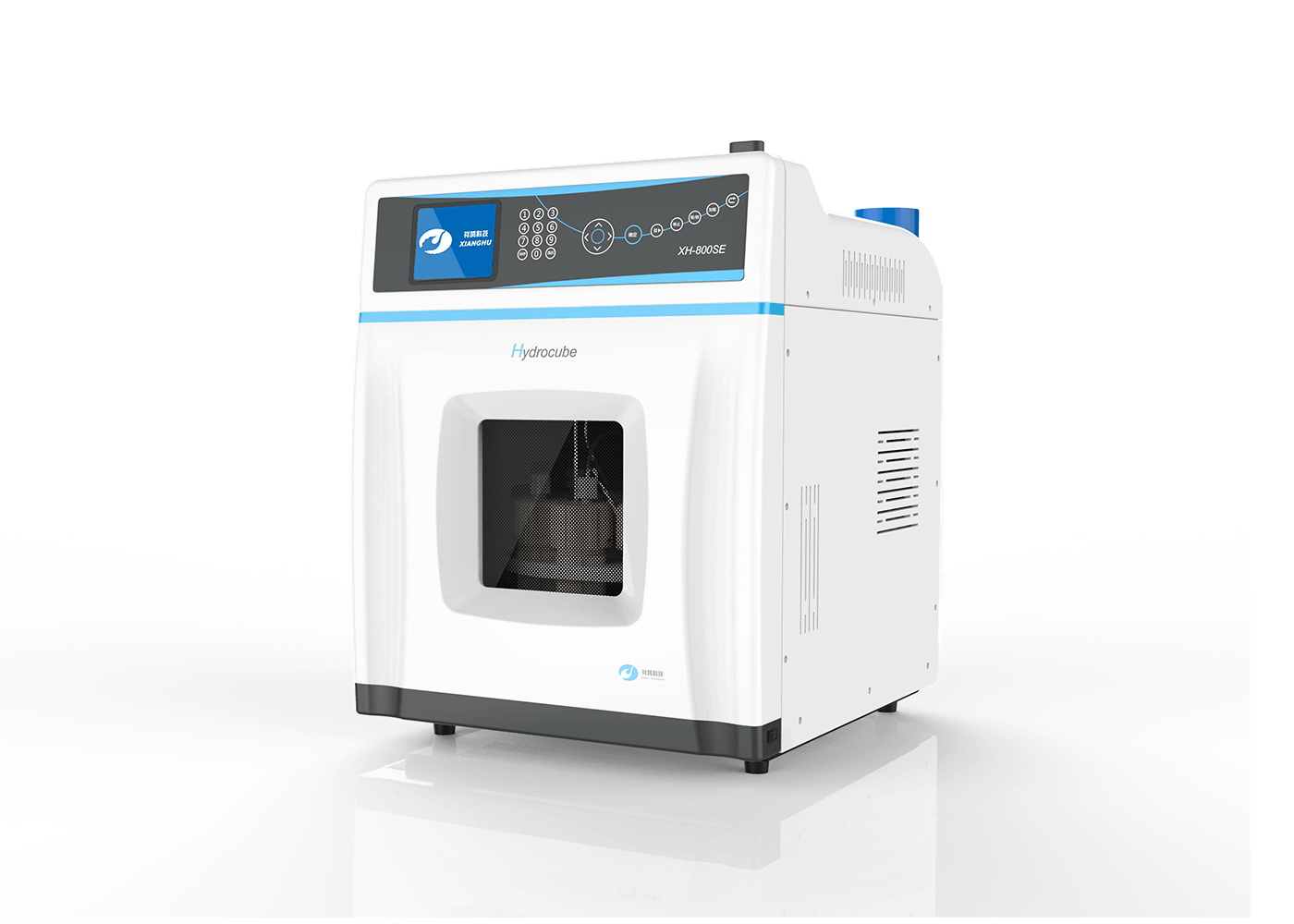
The solvothermal processes were conducted in a microwave oven (XH-800S, Beijing Xianghu Science and Technology Development Co., Ltd., Beijing, China) at certain temperature for time and then cooled to room temperature naturally.
Ultrasonic-method evidence: source values include 30 mL, 30 min.
Ultrasonic-method evidence: source values include 20 mL, 30 min.
Additional source evidence: source values include 120 min, 43.2%.
Additional source evidence: source values include 120 min, 26.6%.
Additional source evidence: source values include 0.5 g, 1.0 g.
Mechanism / Method Highlights
- Method context: Temperature 80 °C / 220 °C / 550 °C, Microwave power 2W, Ultrasonic power 2W, and Power 2W.
- Source evidence: The removal efficiency of BPA first increased from 79.5% to 100% with the increase in solvothermal temperature from 180 °C to 220 °C, and then, it decreased to 89.8% with increase in solvothermal temperature to 240 °C
- Source evidence: Thus, the optimum conditions for preparing Bi2W0.25Mo0.75O6 were W/Mo molar ratio of 1:3, solvothermal temperature of 220 °C, solvothermal time of 5 min, precursor solution pH value of around 2.0, calcination temperature of 550 °C, and holding time of 120 min
- Source evidence: The inhibition rate of BPA was 93.6% ... and then further decreased to 63.3%, 50.5%, and 29.1% as photocatalytic times prolonged to 120, 150, and 240 min
- Reported outcome: Removal 96.2%, Removal 87.1%, and Mineralization rate 87.1%.
Application Value
- Provides a peer-reviewed SoarNova / Xianghu Q1 application case for XH-800S.
- Supports English discovery around Research application.
- Preserves quantitative result evidence: Removal 96.2%, Removal 87.1%, and Mineralization rate 87.1%.
- Maintains source-level evidence details: Source evidence: The removal efficiency of BPA first increased from 79.5% to 100% with the increase in solvothermal temperature from 180 °C to 220 °C, and then, it decreased to 89.8% with increase in solvothermal temperature to 240 °C, Source evidence: Thus, the optimum conditions for preparing Bi2W0.25Mo0.75O6 were W/Mo molar ratio of 1:3, solvothermal temperature of 220 °C, solvothermal time of 5 min, precursor solution pH value of around 2.0, calcination temperature of 550 °C, and holding time of 120 min, Source evidence: The inhibition rate of BPA was 93.6% ... and then further decreased to 63.3%, 50.5%, and 29.1% as photocatalytic times prolonged to 120, 150, and 240 min, and Abstract evidence: The removal efficiencies of BPA and total organic carbon were 96.2% and 87.1% at BPA concentration of 15 mg L−1 in 120 and 180 min, respectively.
Related Equipment
FAQ
Which Xianghu instrument is covered by this page?
What research direction does this page support?
Which publication does this case come from?
Microwave solvothermal-assisted calcined synthesis of Bi2WxMo1−XO6 solid solution photocatalysts for degradation and detoxification of bisphenol A under simulated sunlight irradiation
Separation and Purification Technology, 2021
DOI: 10.1016/j.seppur.2021.119175