Fact Snapshot
- Paper: Long-term retrogradation behavior of lotus seed starch-chlorogenic acid mixtures after microwave treatment
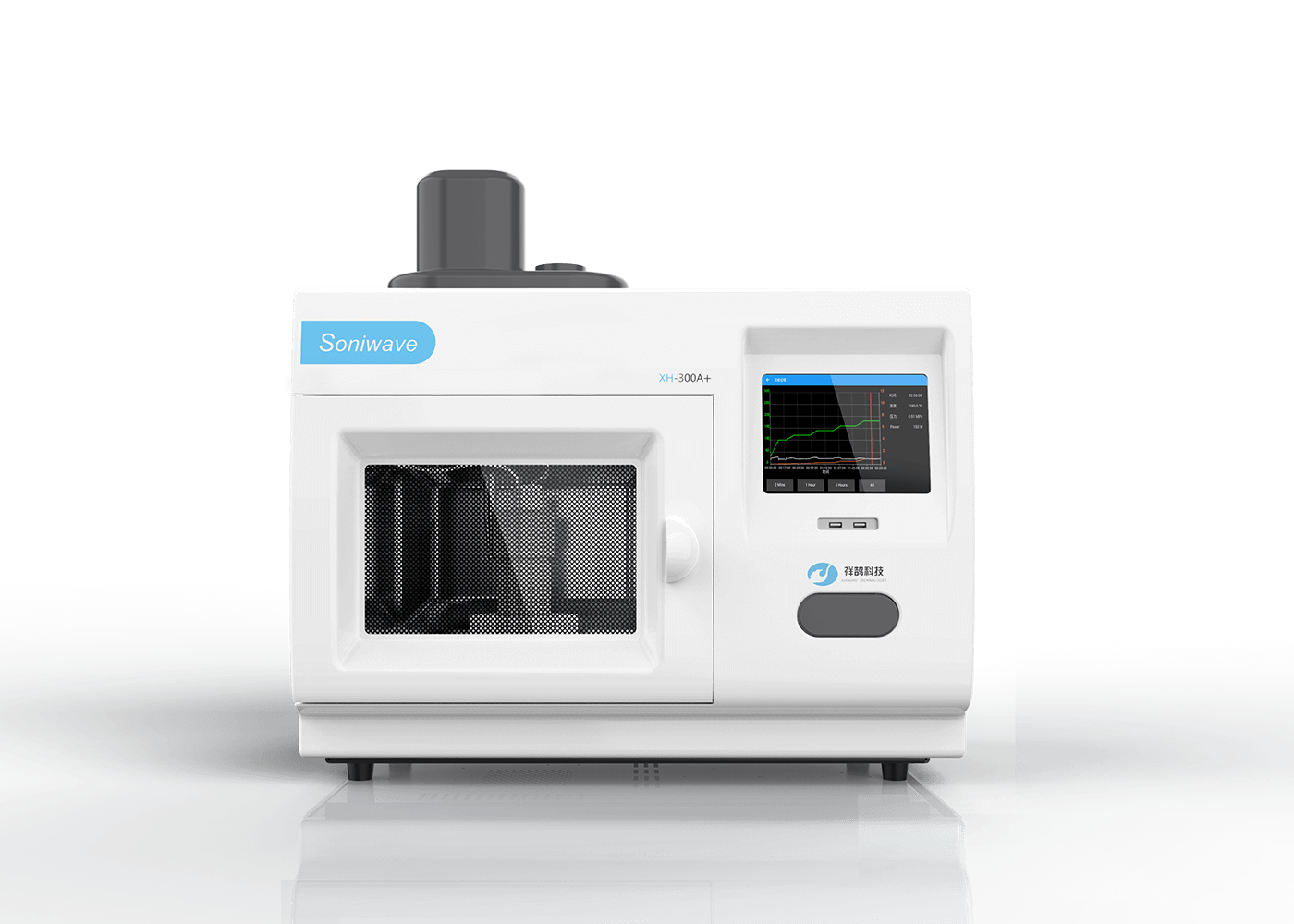
- Equipment: XH-300 series
- Source: Food Hydrocolloids, 2021
- Research direction: storage stability
- Core conditions: Microwave power 300 W and Time 8 min
Research Abstract
Long-term retrogradation behavior of lotus seed starch-chlorogenic acid mixtures after microwave treatment was published in Food Hydrocolloids (2021) and is indexed as a Xianghu Q1 application case for XH-300 series. The structured source links this paper to storage stability. Core operating conditions include Microwave power 300 W and Time 8 min. The DOI recorded for this paper is 10.1016/j.foodhyd.2021.106994.
Research Background and Problem
Equipment Use and Experimental Conditions
| Item | Parameter |
|---|---|
| Microwave power | 300 W |
| Time | 8 min |
Evidence Details
The DR of LS-CA samples decreased by 2.8-fold at 1 d, 2.2-fold at 3 d, 1.5-fold at 5d, 1.3-fold at 7d and 1.15-fold at 14d
treated in a microwave oven (XH-300B, Beijing Xianghu Science and Technology Development Co. Ltd., Beijing, China) with a cooling water circulating system at 300 W and 2450 MHz for 8 min to achieve complete gelatinization
Additional source evidence: source values include 13.75%, 23.94%, 38.67%, 51.73%. Entities: LS-CA.
Overall, the LS-CA binary system had a stronger ability to convert absorbed microwave energy into heat energy (an average of 20–30%)
Mechanism / Method Highlights
- Method context: Microwave power 300 W and Time 8 min.
- Source evidence: The DR of LS-CA samples decreased by 2.8-fold at 1 d, 2.2-fold at 3 d, 1.5-fold at 5d, 1.3-fold at 7d and 1.15-fold at 14d
- Equipment evidence: treated in a microwave oven (XH-300B, Beijing Xianghu Science and Technology Development Co. Ltd., Beijing, China) with a cooling water circulating system at 300 W and 2450 MHz for 8 min to achieve complete gelatinization
- Additional source evidence: source values include 13.75%, 23.94%, 38.67%, 51.73%. Entities: LS-CA
Application Value
- Positions XH-300 series in a peer-reviewed Q1 research application.
- Records source affiliations: Fujian University of Agriculture and Forestry and -.
Related Equipment
FAQ
Which Xianghu instrument is covered by this page?
What is the main application direction?
Which publication does this case come from?
Long-term retrogradation behavior of lotus seed starch-chlorogenic acid mixtures after microwave treatment
Food Hydrocolloids, 2021
DOI: 10.1016/j.foodhyd.2021.106994