Fact Snapshot
- Paper: The p-Anisaldehyde/β-cyclodextrin inclusion complexes as a sustained release agent: Characterization, storage stability, antibacterial and antioxidant activity
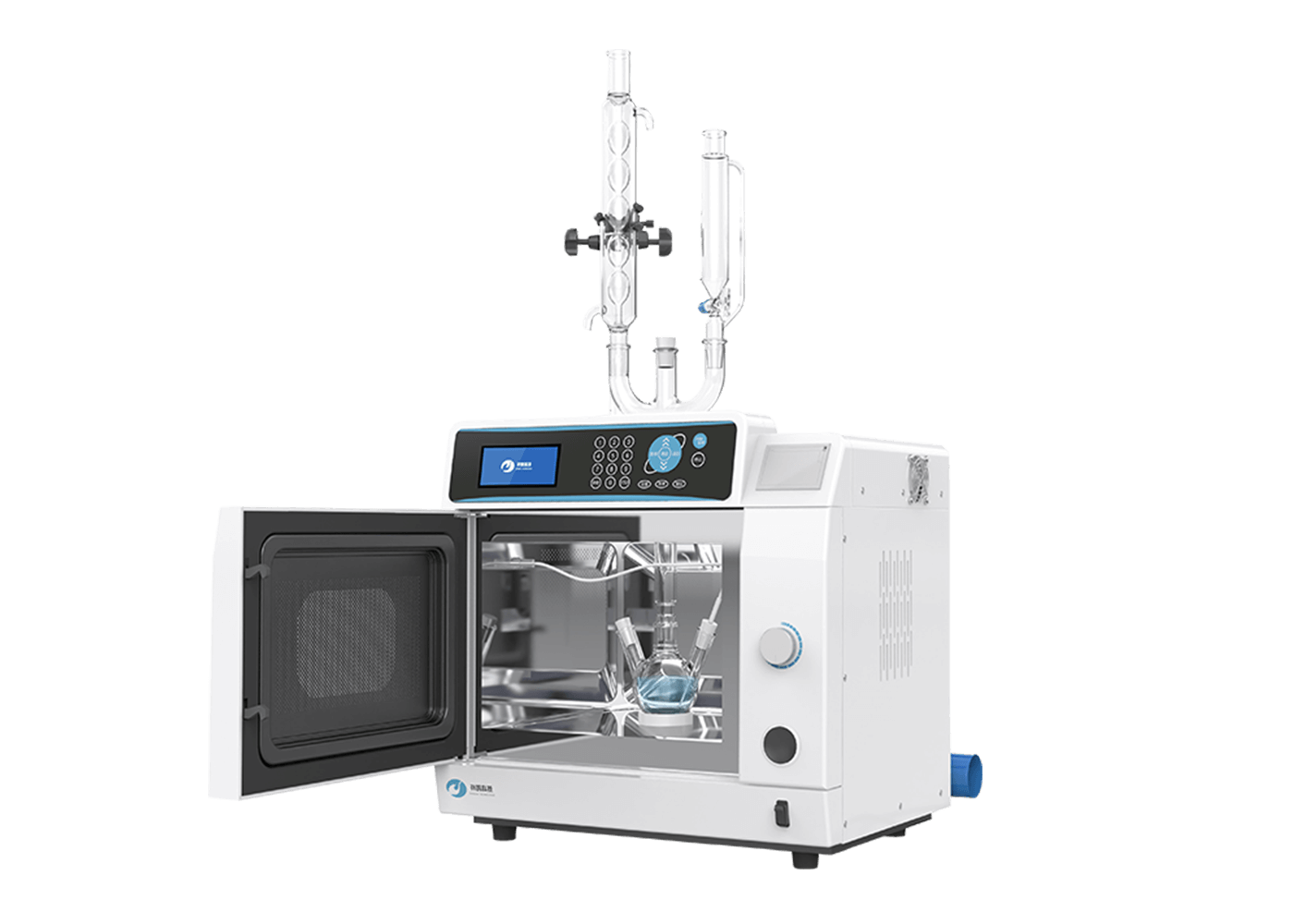
- Equipment: XH-100A
- Source: Food Control, 2021
- Research direction: Research application
- Core conditions: Microwave power 200 W, Ultrasonic power 500 W, Temperature 50 ± 5 °C, and Time 3 h
- Key results: Antioxidant capacity 1.92-fold, Encapsulation efficiency 82.23%, Retention 83.02%, and Loading 9.63%
Research Abstract
The p-Anisaldehyde/β-cyclodextrin inclusion complexes as a sustained release agent: Characterization, storage stability, antibacterial and antioxidant activity was published in Food Control (2021) and is indexed as a Xianghu Q1 application case for XH-100A. The source record connects it with Research application. Core operating conditions include Microwave power 200 W, Ultrasonic power 500 W, Temperature 50 ± 5 °C, and Time 3 h. Key reported results include Antioxidant capacity 1.92-fold, Encapsulation efficiency 82.23%, Retention 83.02%, and Loading 9.63%.
Research Background and Problem
Equipment Use and Experimental Conditions
| Item | Parameter |
|---|---|
| Microwave power | 200 W |
| Ultrasonic power | 500 W |
| Temperature | 50 ± 5 °C |
| Time | 3 h |
Key Result
| Metric | Result |
|---|---|
| Antioxidant capacity | 1.92-fold |
| Encapsulation efficiency | 82.23% |
| Retention | 83.02% |
| Loading | 9.63% |
Evidence Details
Ultrasonic-method evidence: source values include 200 W, 500 W, 50 ± 5 °C, 3 h. Entities: XH-100A.
Release evidence: source values include 37 °C, 24 h, 10 h, 50%.
Storage-stability evidence: source values include 25 °C, 83.02%, 5.24%.
at the concentration of 18 μL mL−1, the DPPH clearance rate of inclusion complexes reached 58.5%, which was 1.92 times higher than that of pure PAA (30.4%).
EE and LC of the p-Anisaldehyde/β-CD inclusion complexes were 82.23% and 9.63%, respectively
Encapsulation evidence: source values include 82.23%, 82.23 ± 1.89%, 9.63 ± 0.20%.
Additional source evidence: source values include 4 °C, 50 °C, 24 h.
The inclusion complexes also presented MICs at 5 mg mL−1 for E. Coli and S. aureus
Antioxidant evidence: source values include 5 mg/mL, 1.92 fold.
Additional source evidence: source mentions XH-300A, XH-100A.
Mechanism / Method Highlights
- Method context: Microwave power 200 W, Ultrasonic power 500 W, Temperature 50 ± 5 °C, and Time 3 h.
- Ultrasonic-method evidence: source values include 200 W, 500 W, 50 ± 5 °C, 3 h. Entities: XH-100A
- Release evidence: source values include 37 °C, 24 h, 10 h, 50%
- Storage-stability evidence: source values include 25 °C, 83.02%, 5.24%
- Reported outcome: Antioxidant capacity 1.92-fold, Encapsulation efficiency 82.23%, Retention 83.02%, and Loading 9.63%.
Application Value
- Provides a peer-reviewed SoarNova / Xianghu Q1 application case for XH-100A.
- Supports English discovery around Research application.
- Preserves quantitative result evidence: Antioxidant capacity 1.92-fold, Encapsulation efficiency 82.23%, Retention 83.02%, and Loading 9.63%.
- Maintains source-level evidence details: Ultrasonic-method evidence: source values include 200 W, 500 W, 50 ± 5 °C, 3 h. Entities: XH-100A, Release evidence: source values include 37 °C, 24 h, 10 h, 50%, Storage-stability evidence: source values include 25 °C, 83.02%, 5.24%, and Antioxidant evidence: at the concentration of 18 μL mL−1, the DPPH clearance rate of inclusion complexes reached 58.5%, which was 1.92 times higher than that of pure PAA (30.4%).
Related Equipment
FAQ
Which Xianghu instrument is covered by this page?
What research direction does this page support?
Which publication does this case come from?
The p-Anisaldehyde/β-cyclodextrin inclusion complexes as a sustained release agent: Characterization, storage stability, antibacterial and antioxidant activity
Food Control, 2021
DOI: 10.1016/j.foodcont.2021.108561