Fact Snapshot
- Paper: Cellulose/CaCO3 nanocomposites: Microwave ionic liquid synthesis, characterization, and biological activity
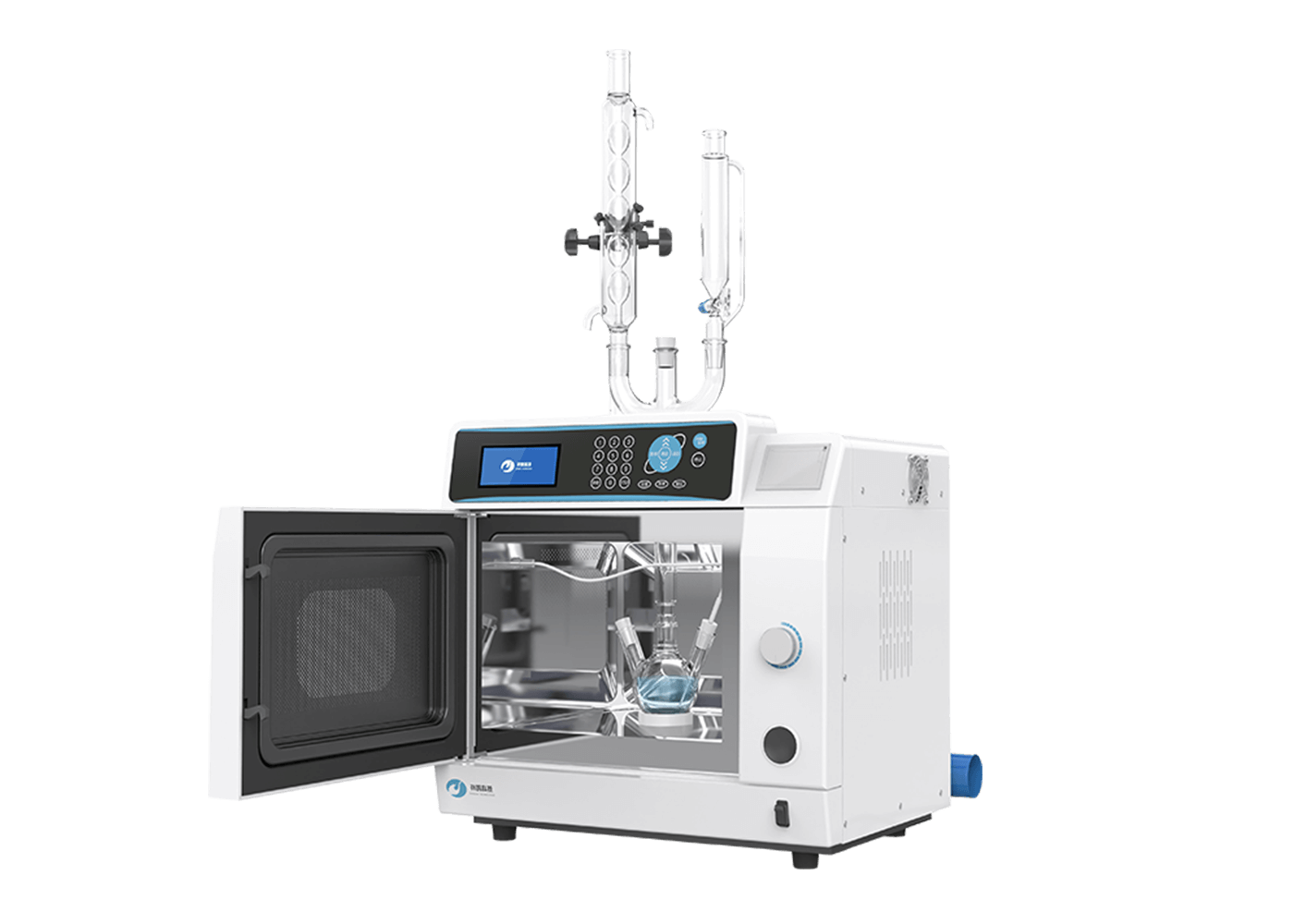
- Equipment: XH-100A
- Source: Carbohydrate Polymers, 2013
- Research direction: CaCO₃
- Core conditions: Temperature 130 °C / 60 °C and Time 16 h / 30 min
- Key results: Cell viability 82%, Cell viability 91.34%, and Cell viability 91.69%
Research Abstract
Cellulose/CaCO3 nanocomposites: Microwave ionic liquid synthesis, characterization, and biological activity was published in Carbohydrate Polymers (2013) and is indexed as a Xianghu Q1 application case for XH-100A. The source record connects it with CaCO₃. Core operating conditions include Temperature 130 °C / 60 °C and Time 16 h / 30 min. Key reported results include Cell viability 82%, Cell viability 91.34%, and Cell viability 91.69%.
Research Background and Problem
Equipment Use and Experimental Conditions
| Item | Parameter |
|---|---|
| Temperature | 130 °C / 60 °C |
| Time | 16 h / 30 min |
Key Result
| Metric | Result |
|---|---|
| Cell viability | 82% |
| Cell viability | 91.34% |
| Cell viability | 91.69% |
Evidence Details
Equipment-detail evidence: source values include 0.162 g, 3.240 g, 130 °C, 10 min, 0.110 g, 0.106 g, 30 min. Entities: XH-100B.
Equipment-detail evidence: source values include 10%, 1:25, 25 °C, 16 h, 60 °C.
Equipment-detail evidence: source mentions XH-100B.
Additional source evidence: source values include 10%, 1%, 37 °C, 48 h, 24 h, 500 μg/mL. Entities: SGC-7901.
Additional source evidence: source values include 500 μg/mL, 91.34%, 94.64%, 86.88%, 82.68%, 84.88%.
Microwave-method evidence: source values include 130 °C, 30 min, 0.1–500 μg/mL, 82%. Entities: XH-100B.
Additional source evidence: source values include 91.69%, 94.64%, 92.13%, 85.3%, 89.18%.
Microwave-method evidence: source values include 4H, 9H.
Additional source evidence: source values include 0.065 g, 0.324 g.
Mechanism / Method Highlights
- Method context: Temperature 130 °C / 60 °C and Time 16 h / 30 min.
- Equipment-detail evidence: source values include 0.162 g, 3.240 g, 130 °C, 10 min, 0.110 g, 0.106 g, 30 min. Entities: XH-100B
- Equipment-detail evidence: source values include 10%, 1:25, 25 °C, 16 h, 60 °C
- Equipment-detail evidence: source mentions XH-100B
- Reported outcome: Cell viability 82%, Cell viability 91.34%, and Cell viability 91.69%.
Application Value
- Provides a peer-reviewed SoarNova / Xianghu Q1 application case for XH-100A.
- Supports English discovery around CaCO₃.
- Preserves quantitative result evidence: Cell viability 82%, Cell viability 91.34%, and Cell viability 91.69%.
- Maintains source-level evidence details: Equipment-detail evidence: source values include 0.162 g, 3.240 g, 130 °C, 10 min, 0.110 g, 0.106 g, 30 min. Entities: XH-100B, Equipment-detail evidence: source values include 10%, 1:25, 25 °C, 16 h, 60 °C, Equipment-detail evidence: source mentions XH-100B, and Additional source evidence: source values include 10%, 1%, 37 °C, 48 h, 24 h, 500 μg/mL. Entities: SGC-7901.
Related Equipment
FAQ
Which Xianghu instrument is covered by this page?
What is the main application direction?
Which publication does this case come from?
Cellulose/CaCO3 nanocomposites: Microwave ionic liquid synthesis, characterization, and biological activity
Carbohydrate Polymers, 2013
DOI: 10.1016/j.carbpol.2012.11.034