Fact Snapshot
- Paper: New insights on microwave induced rapid degradation of methyl orange basedon the joint reaction with acceleration effect between electron hopping andFe2+-H2O2 reaction of NiFeMnO4 nanocompositesa
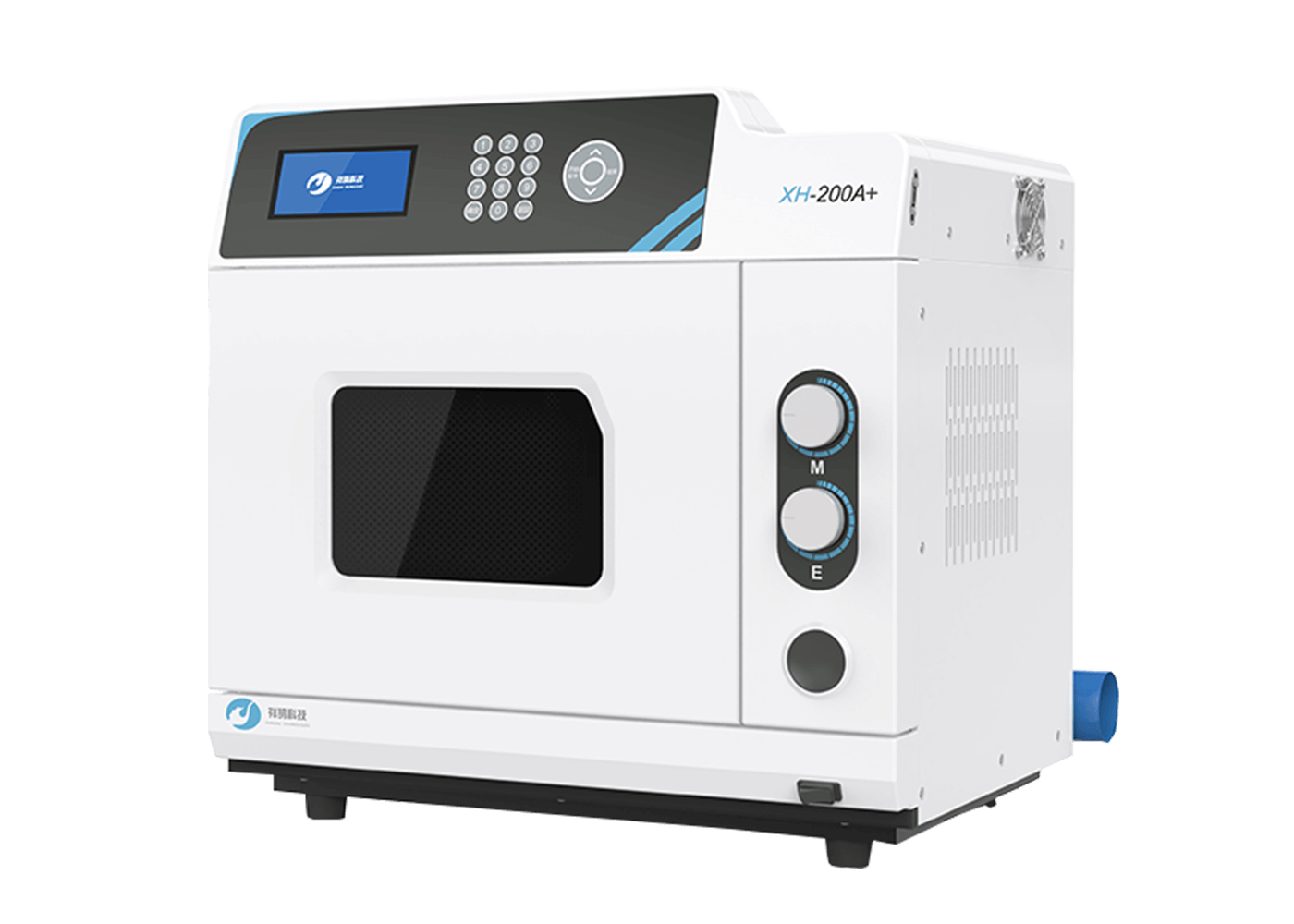
- Equipment: XH-200A / XH-200C
- Source: Separation and Purification Technology, 2017
- Research direction: microwave catalysis, Fenton, and NiFeMnO4
- Core conditions: Temperature 700℃ / 50℃, Microwave power 750 W, and Time 5 / 2 / 30
- Key results: Methyl orange removal efficiency 96.5%, Methyl orange removal efficiency 93.2%, Specific surface area 19.87 m2/g, and Removal efficiency 90.5%
Research Abstract
New insights on microwave induced rapid degradation of methyl orange basedon the joint reaction with acceleration effect between electron hopping andFe2+-H2O2 reaction of NiFeMnO4 nanocompositesa was published in Separation and Purification Technology (2017) and is indexed as a Xianghu Q1 application case for XH-200A / XH-200C. The source record connects it with microwave catalysis, Fenton, and NiFeMnO4. Core operating conditions include Temperature 700℃ / 50℃, Microwave power 750 W, and Time 5 / 2 / 30. Key reported results include Methyl orange removal efficiency 96.5%, Methyl orange removal efficiency 93.2%, Specific surface area 19.87 m2/g, and Removal efficiency 90.5%.
Research Background and Problem
Equipment Use and Experimental Conditions
| Item | Parameter |
|---|---|
| Temperature | 700℃ / 50℃ |
| Microwave power | 750 W |
| Time | 5 / 2 / 30 |
Key Result
| Metric | Result |
|---|---|
| Specific surface area | 19.87 m2/g |
| Methyl orange removal efficiency | 96.5% |
| Methyl orange removal efficiency | 93.2% |
| Removal efficiency | 90.5% |
Evidence Details
Energy-comparison evidence: source values include 30.0 mg, 96.5%. Entities: XH-200A.
Energy-comparison evidence: source values include 30.0 mg, 96.5%.
Equipment-detail evidence: H2C2O4, magnetic stirring5.
"The microwave power was 750 W, the reaction temperature was 50℃, and the reaction was conducted at atmospheric pressure"
"The removal efficiency of methyl orange reached 96.5% in 6.0 min under the optimal conditions"
Additional source evidence: source values include 0.05 g, 50 mL, 10-40 mg.
Additional source evidence: source values include 35.1%, 33.0%, 29.9%.
Temperature: 700℃ / 50℃
Methyl orange removal efficiency: 93.2%
Removal efficiency: 90.5%
Mechanism / Method Highlights
- Method context: Temperature 700℃ / 50℃, Microwave power 750 W, and Time 5 / 2 / 30.
- Energy-comparison evidence: source values include 30.0 mg, 96.5%. Entities: XH-200A
- Energy-comparison evidence: source values include 30.0 mg, 96.5%
- Equipment-detail evidence: H2C2O4, magnetic stirring5
- Reported outcome: Methyl orange removal efficiency 96.5%, Methyl orange removal efficiency 93.2%, Specific surface area 19.87 m2/g, and Removal efficiency 90.5%.
Application Value
- Provides a peer-reviewed SoarNova / Xianghu Q1 application case for XH-200A / XH-200C.
- Supports English discovery around Microwave catalysis, Fenton, and NiFeMnO4.
- Preserves quantitative result evidence: Methyl orange removal efficiency 96.5%, Methyl orange removal efficiency 93.2%, Specific surface area 19.87 m2/g, and Removal efficiency 90.5%.
- Maintains source-level evidence details: Energy-comparison evidence: source values include 30.0 mg, 96.5%. Entities: XH-200A, Energy-comparison evidence: source values include 30.0 mg, 96.5%, Equipment-detail evidence: H2C2O4, magnetic stirring5, and Source evidence: "The microwave power was 750 W, the reaction temperature was 50℃, and the reaction was conducted at atmospheric pressure".
Related Equipment
FAQ
Which Xianghu instrument is covered by this page?
What is the main application direction?
Which publication does this case come from?
New insights on microwave induced rapid degradation of methyl orange basedon the joint reaction with acceleration effect between electron hopping andFe2+-H2O2 reaction of NiFeMnO4 nanocompositesa
Separation and Purification Technology, 2017
DOI: 10.1016/j.seppur.2017.09.067