Fact Snapshot
- Paper: Degradation kinetics of sodium alginate via sono-Fenton, photo-Fenton and sono-photo-Fenton methods in the presence of TiO2 nanoparticles
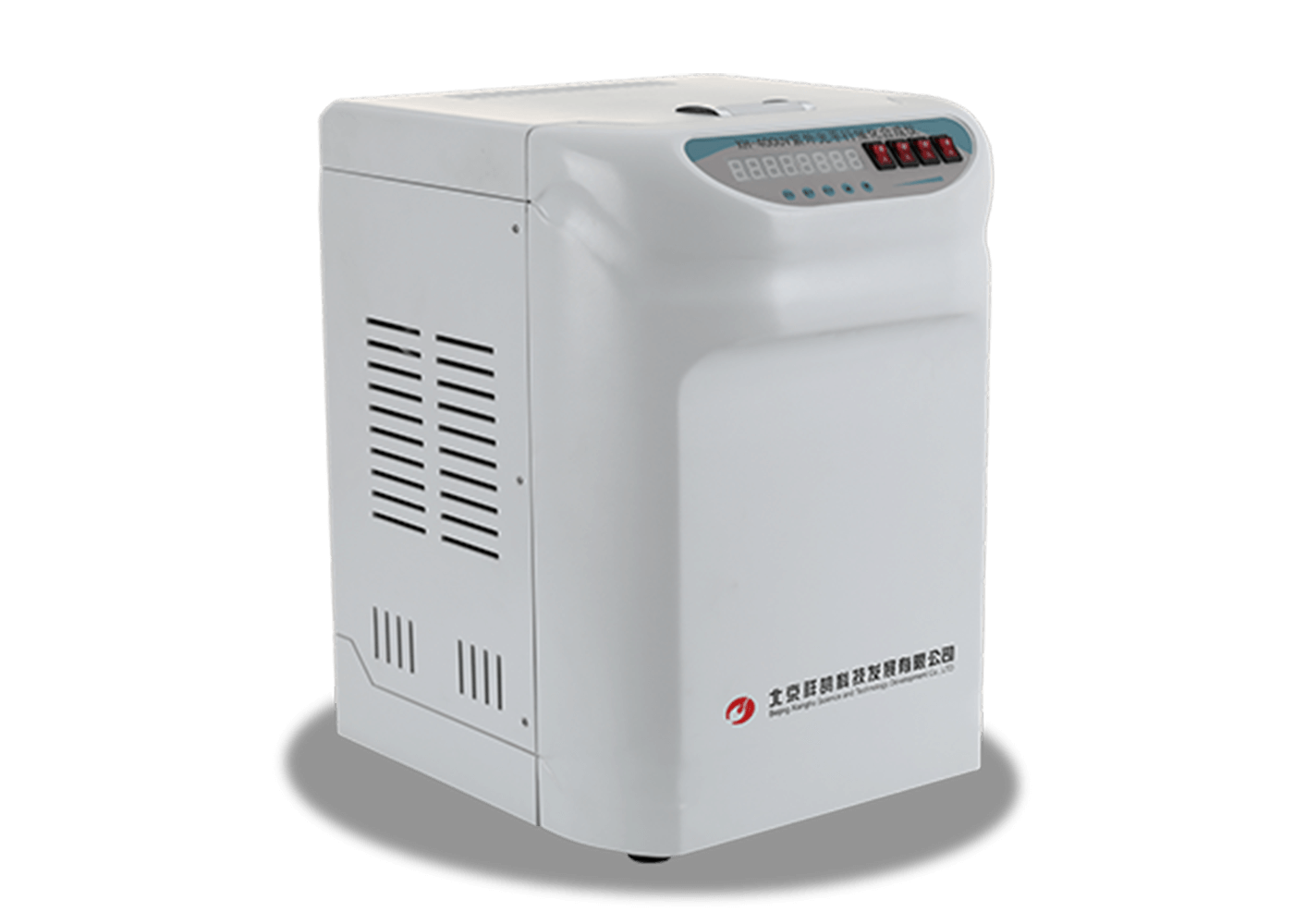
- Equipment: XH-400UV
- Source: Polymer Degradation and Stability, 2016
- Research direction: Fenton and TiO₂
- Core conditions: Power 100W and Time 25 min
Research Abstract
Degradation kinetics of sodium alginate via sono-Fenton, photo-Fenton and sono-photo-Fenton methods in the presence of TiO2 nanoparticles was published in Polymer Degradation and Stability (2016) and is indexed as a Xianghu Q1 application case for XH-400UV. The structured source links this paper to Fenton and TiO₂. Core operating conditions include Power 100W and Time 25 min. The DOI recorded for this paper is 10.1016/j.polymdegradstab.2016.11.012.
Research Background and Problem
Equipment Use and Experimental Conditions
| Item | Parameter |
|---|---|
| Power | 100W |
| Time | 25 min |
Evidence Details
Ultrasonic-method evidence: source values include 100W, 365 nm, 5–10 nm, 100 mL. Entities: XH-400UV.
Ultrasonic-method evidence: source values include 0.05 g, 14.23%, 0.5 g, 19.11%.
Release-kinetics evidence: source values include 0.22 µm, 25 min. Entities: XH-400UV.
Additional source evidence: source values include 30%, 25°C. Entities: XH-400UV.
Ultrasonic-method evidence: source values include 0–25 min, 0.1 g.
Additional source evidence: source values include 1 g, 3 h.
Mechanism / Method Highlights
- Method context: Power 100W and Time 25 min.
- Ultrasonic-method evidence: source values include 100W, 365 nm, 5–10 nm, 100 mL. Entities: XH-400UV
- Ultrasonic-method evidence: source values include 0.05 g, 14.23%, 0.5 g, 19.11%
- Release-kinetics evidence: source values include 0.22 µm, 25 min. Entities: XH-400UV
Application Value
- Positions XH-400UV in a peer-reviewed Q1 research application.
- Records source affiliations: Hainan University and College of Materials and Chemical Engineering, Hainan University, Haikou 570228, China.
Related Equipment
FAQ
Which Xianghu instrument is covered by this page?
What is the main application direction?
Which publication does this case come from?
Degradation kinetics of sodium alginate via sono-Fenton, photo-Fenton and sono-photo-Fenton methods in the presence of TiO2 nanoparticles
Polymer Degradation and Stability, 2016
DOI: 10.1016/j.polymdegradstab.2016.11.012