Fact Snapshot
- Paper: Preparation of whey protein isolate nanofibrils by microwave heating and its application as carriers of lipophilic bioactive substances
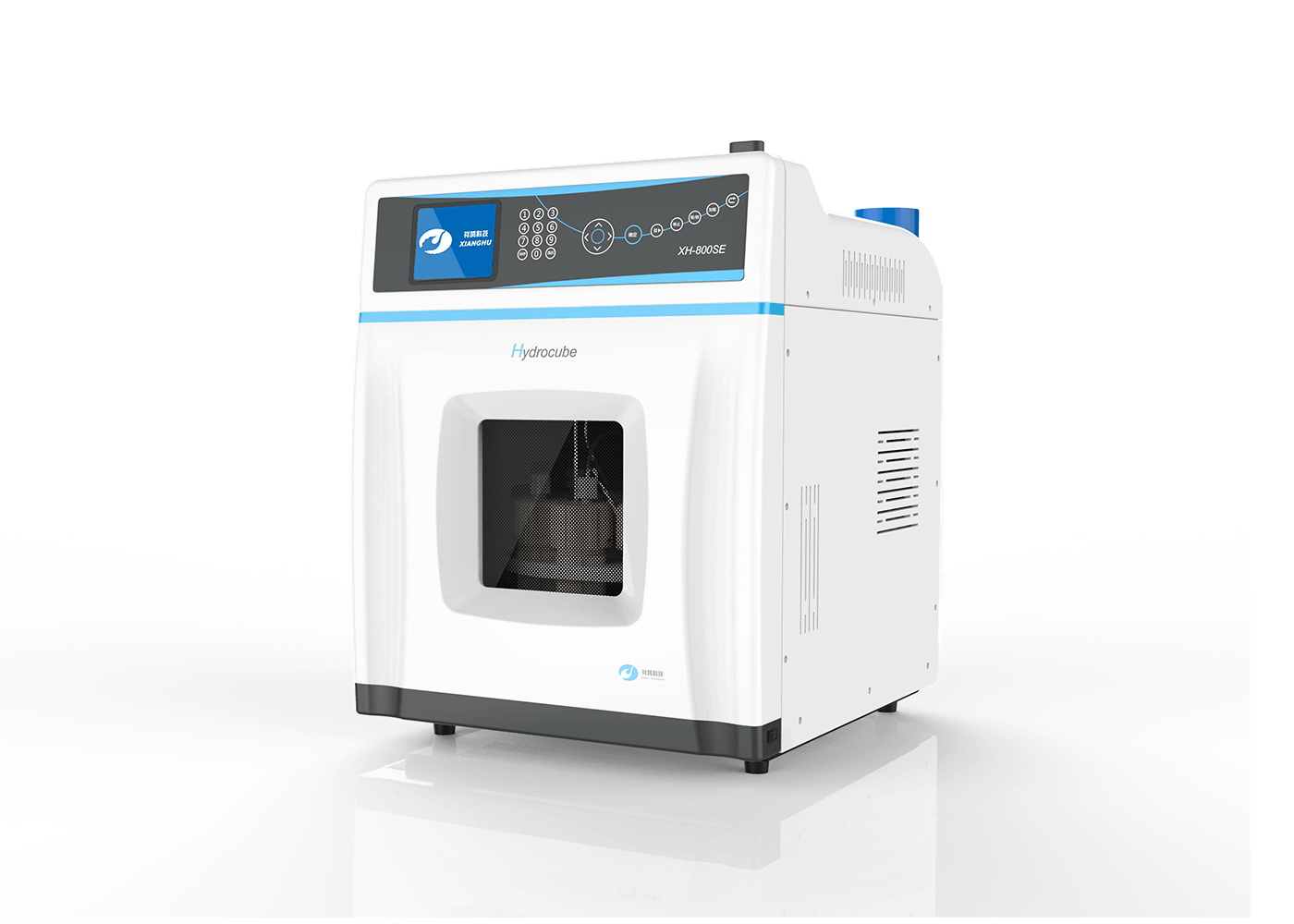
- Equipment: XH-800S
- Source: LWT - Food Science and Technology, 2020
- Research direction: Research application
- Core conditions: Microwave power 800 W and Time 30 min / 5 h / 2 h
Research Abstract
Preparation of whey protein isolate nanofibrils by microwave heating and its application as carriers of lipophilic bioactive substances was published in LWT - Food Science and Technology (2020) and is indexed as a Xianghu Q1 application case for XH-800S. The source record connects it with Research application. Core operating conditions include Microwave power 800 W and Time 30 min / 5 h / 2 h.
Research Background and Problem
Equipment Use and Experimental Conditions
| Item | Parameter |
|---|---|
| Microwave power | 800 W |
| Time | 30 min / 5 h / 2 h |
Evidence Details
the filtrate was subjected to microwave heating at 80 °C using a microwave digestion system (XH-800C, Beijing, China) at 800 W.
WPNFs with the characteristics of high aspect ratio, high surface hydrophobicity, and well-ordered β-sheet structures were formed by microwave heating WPI solutions at 80 °C, pH 2.0 in 2 h.
compared with the conventional heating method, which took more than 10 h to prepare WPNFs at 80 °C, pH of 2.0, microwave heating greatly shortened the preparation time.
Time: 30 min / 5 h / 2 h
Mechanism / Method Highlights
- Method context: Microwave power 800 W and Time 30 min / 5 h / 2 h.
- Equipment evidence: the filtrate was subjected to microwave heating at 80 °C using a microwave digestion system (XH-800C, Beijing, China) at 800 W
- Source evidence: WPNFs with the characteristics of high aspect ratio, high surface hydrophobicity, and well-ordered β-sheet structures were formed by microwave heating WPI solutions at 80 °C, pH 2.0 in 2 h
- Source evidence: compared with the conventional heating method, which took more than 10 h to prepare WPNFs at 80 °C, pH of 2.0, microwave heating greatly shortened the preparation time
Application Value
- Provides a peer-reviewed SoarNova / Xianghu Q1 application case for XH-800S.
- Supports English discovery around Research application.
- Maintains source-level evidence details: Equipment evidence: the filtrate was subjected to microwave heating at 80 °C using a microwave digestion system (XH-800C, Beijing, China) at 800 W, Source evidence: WPNFs with the characteristics of high aspect ratio, high surface hydrophobicity, and well-ordered β-sheet structures were formed by microwave heating WPI solutions at 80 °C, pH 2.0 in 2 h, Source evidence: compared with the conventional heating method, which took more than 10 h to prepare WPNFs at 80 °C, pH of 2.0, microwave heating greatly shortened the preparation time, and Condition evidence: Time: 30 min / 5 h / 2 h.
Related Equipment
FAQ
Which Xianghu instrument is covered by this page?
What research direction does this page support?
Which publication does this case come from?
Preparation of whey protein isolate nanofibrils by microwave heating and its application as carriers of lipophilic bioactive substances
LWT - Food Science and Technology, 2020
DOI: 10.1016/j.lwt.2020.109213