Fact Snapshot
- Paper: Preparation of Nano-ZrO2 powder via a microwave-assisted hydrothermal method
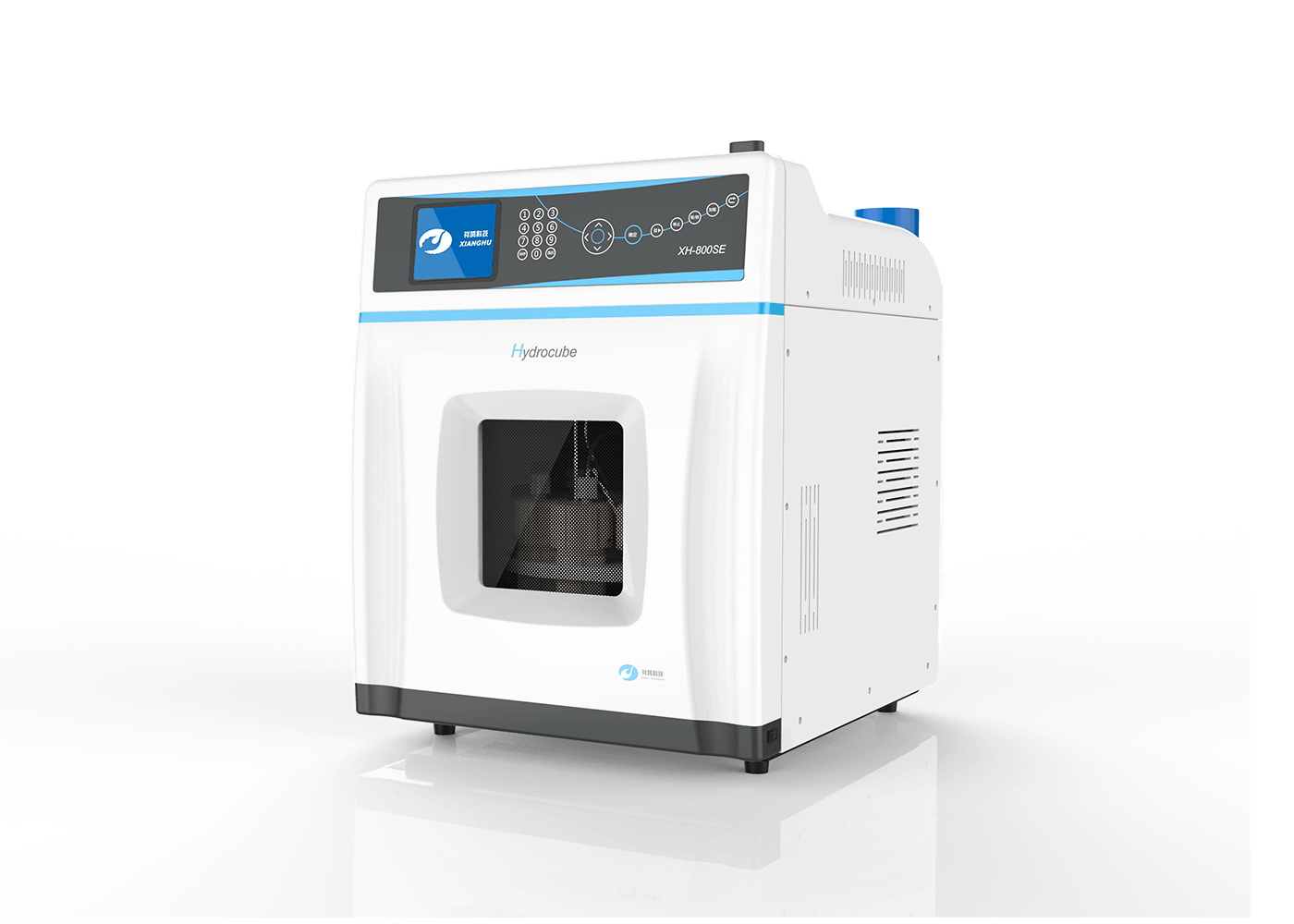
- Equipment: XH-800S
- Source: Ceramics International, 2021
- Research direction: microwave hydrothermal synthesis
- Core conditions: Temperature 25 °C / 260 °C / 60 °C, Power 1000 W, and Time 10 h / 50 min / 30 min
- Key results: Particle size -30 nm
Research Abstract
Preparation of Nano-ZrO2 powder via a microwave-assisted hydrothermal method was published in Ceramics International (2021) and is indexed as a Xianghu Q1 application case for XH-800S. The structured source links this paper to microwave hydrothermal synthesis. Core operating conditions include Temperature 25 °C / 260 °C / 60 °C, Power 1000 W, and Time 10 h / 50 min / 30 min. Key reported results include Particle size -30 nm. The DOI recorded for this paper is 10.1016/j.ceramint.2021.01.099.
Research Background and Problem
Equipment Use and Experimental Conditions
| Item | Parameter |
|---|---|
| Temperature | 25 °C / 260 °C / 60 °C |
| Power | 1000 W |
| Time | 10 h / 50 min / 30 min |
Key Result
| Metric | Result |
|---|---|
| Particle size | -30 nm |
Evidence Details
The output power of the microwave hydrothermal synthesis instrument was 0-1000 W, and the temperature control range was 0-260 °C (error of ± 0.1 °C).
The prepared precursor solution was added to a reaction vessel (fill factor 40%) and the microwave hydrothermal reaction was carried out in a microwave hydrothermal synthesis instrument (XH-800G, XiangHu Technology Development Co., Beijing China).
The optimal parameters for preparing nano-zirconia powders with appreciable crystallinity and crystal forms included the use of PEG1000/PEG2000/PEG4000 dispersants, a microwave hydrothermal time of 30-50 min and a temperature of 200-240 °C, and a TEOA concentration of 0.3-0.5 M.
Temperature: 25 °C / 260 °C / 60 °C
Time: 10 h / 50 min / 30 min
Nano-ZrO2 powder prepared via our optimised microwave hydrothermal method contained mostly tetrahedral, spherically shaped, highly homogeneous, and well-dispersed 20-30 nm particles.
Additional source evidence: source values include 200 °C, 30 min.
Additional source evidence: source values include 160 °C, 180 °C.
Additional source evidence: source values include 220 °C, 240 °C.
Additional source evidence: source values include 10 min, 50 min.
200 °C:21.0 nm
220 °C:22.6 nm
240 °C:23.2 nm
10 min:18.5 nm
Mechanism / Method Highlights
- Method context: Temperature 25 °C / 260 °C / 60 °C, Power 1000 W, and Time 10 h / 50 min / 30 min.
- Equipment evidence: The output power of the microwave hydrothermal synthesis instrument was 0-1000 W, and the temperature control range was 0-260 °C (error of ± 0.1 °C)
- Equipment evidence: The prepared precursor solution was added to a reaction vessel (fill factor 40%) and the microwave hydrothermal reaction was carried out in a microwave hydrothermal synthesis instrument (XH-800G, XiangHu Technology Development Co., Beijing China)
- Source evidence: The optimal parameters for preparing nano-zirconia powders with appreciable crystallinity and crystal forms included the use of PEG1000/PEG2000/PEG4000 dispersants, a microwave hydrothermal time of 30-50 min and a temperature of 200-240 °C, and a TEOA concentration of 0.3-0.5 M
- Reported outcome: Particle size -30 nm.
Application Value
- Positions XH-800S in a peer-reviewed Q1 research application.
- Highlights quantitative evidence: Particle size -30 nm.
- Records source affiliations: Henan University of Science and Technology.
Related Equipment
FAQ
Which Xianghu instrument is covered by this page?
What is the main application direction?
Which publication does this case come from?
Preparation of Nano-ZrO2 powder via a microwave-assisted hydrothermal method
Ceramics International, 2021
DOI: 10.1016/j.ceramint.2021.01.099