Fact Snapshot
- Paper: Facile microwave-assisted hydrothermal synthesis of SnSe: impurity removal and enhanced thermoelectric properties
- Equipment: XH-8000 / XH-8000Plus
- Source: Journal of materials chemistry C, 2020
- Research direction: SnSe thermoelectric materials, microwave hydrothermal, and increased
- Core conditions: Pressure 0.3 MPa and Time 30 min / 36 h
Research Abstract
Facile microwave-assisted hydrothermal synthesis of SnSe: impurity removal and enhanced thermoelectric properties was published in Journal of materials chemistry C (2020) and is indexed as a Xianghu Q1 application case for XH-8000 / XH-8000Plus. The structured source links this paper to SnSe thermoelectric materials, microwave hydrothermal, and increased. Core operating conditions include Pressure 0.3 MPa and Time 30 min / 36 h. The DOI recorded for this paper is 10.1039/D0TC02068K.
Research Background and Problem
Equipment Use and Experimental Conditions
| Item | Parameter |
|---|---|
| Pressure | 0.3 MPa |
| Time | 30 min / 36 h |
Evidence Details
The reaction system was heated with a heating rate of 10 K min−1 and maintained at 403 K for 30 min under pressure of around 0.3 MPa.
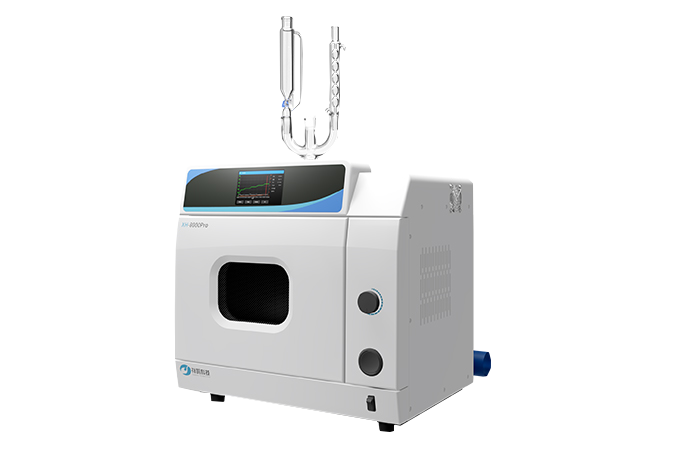
The solution was then placed in a 100 mL Teflon-lined stainless-steel autoclave and put in a microwave reactor (XH-8000Plus, Xianghu Science and Technology Development Co. Ltd, Beijing, China).
Compared with conventional hydrothermal methods which usually require 12-36 h to produce SnSe powders, the present microwave-assisted hydrothermal method can synthesise gram-scale SnSe powders within 30 min.
It is found that a NaOH:SnCl2 molar ratio of 30 leads to the formation of phase-pure SnSe microrods, and the pellet consolidated from such rods obtains maximum ZT of 1.08 and 0.78 at 773 K along parallel and perpendicular to the pressing direction, respectively.
Time: 30 min / 36 h
Mechanism / Method Highlights
- Method context: Pressure 0.3 MPa and Time 30 min / 36 h.
- Source evidence: The reaction system was heated with a heating rate of 10 K min−1 and maintained at 403 K for 30 min under pressure of around 0.3 MPa
- Equipment evidence: The solution was then placed in a 100 mL Teflon-lined stainless-steel autoclave and put in a microwave reactor (XH-8000Plus, Xianghu Science and Technology Development Co. Ltd, Beijing, China)
- Source evidence: Compared with conventional hydrothermal methods which usually require 12-36 h to produce SnSe powders, the present microwave-assisted hydrothermal method can synthesise gram-scale SnSe powders within 30 min
Application Value
- Positions XH-8000 / XH-8000Plus in a peer-reviewed Q1 research application.
- Records source affiliations: Chongqing University.
Related Equipment
FAQ
Which Xianghu instrument is covered by this page?
What is the main application direction?
Which publication does this case come from?
Facile microwave-assisted hydrothermal synthesis of SnSe: impurity removal and enhanced thermoelectric properties
Journal of materials chemistry C, 2020
DOI: 10.1039/D0TC02068K