Fact Snapshot
- Paper: Enhanced fuel characteristics and physical chemistry of microwave hydrochar for sustainable fuel pellet production via co-densification
- Equipment: XH-8000 / XH-8000Plus
- Source: ENVIRONMENTAL RESEARCH, 2020
- Research direction: microwave hydrothermal
- Core conditions: Temperature 250 °C
Research Abstract
Enhanced fuel characteristics and physical chemistry of microwave hydrochar for sustainable fuel pellet production via co-densification was published in ENVIRONMENTAL RESEARCH (2020) and is indexed as a Xianghu Q1 application case for XH-8000 / XH-8000Plus. The structured source links this paper to microwave hydrothermal. Core operating conditions include Temperature 250 °C. The DOI recorded for this paper is 10.1016/j.envres.2020.109480.
Research Background and Problem
The paper is positioned around microwave hydrothermal. The equipment record identifies XH-8000 / XH-8000Plus as the Xianghu instrument context for this application case. The source affiliation record includes Northwest Agriculture and Forestry University of Science and Technology.
Equipment Use and Experimental Conditions
| Item | Parameter |
|---|---|
| Temperature | 250 °C |
Evidence Details
Equipment evidence
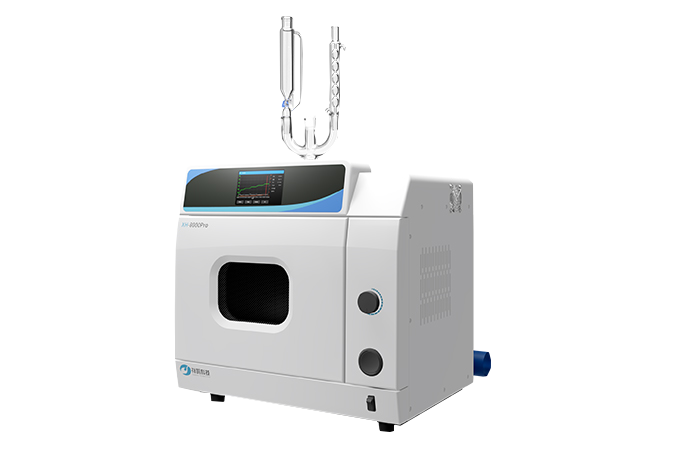
The experiments were performed using a type XH-8000Plus multifunction microwave synthesizer.
Microwave-method evidence
Microwave-method evidence: source values include 250 °C. Entities: XH-8000Plus.
Additional source evidence
Additional source evidence: source values include 5 °C, 250 °C.
Additional source evidence
Additional source evidence: source values include 5 g, 50 mL.
Mechanism / Method Highlights
- Method context: Temperature 250 °C.
- Equipment evidence: The experiments were performed using a type XH-8000Plus multifunction microwave synthesizer
- Microwave-method evidence: source values include 250 °C. Entities: XH-8000Plus
- Additional source evidence: source values include 5 °C, 250 °C
Application Value
- Positions XH-8000 / XH-8000Plus in a peer-reviewed Q1 research application.
- Records source affiliations: Northwest Agriculture and Forestry University of Science and Technology.
Related Equipment
FAQ
Which Xianghu instrument is covered by this page?
The structured source records XH-8000 / XH-8000Plus for this paper.
What is the main application direction?
The source tags this paper under microwave hydrothermal.
Which publication does this case come from?
It comes from ENVIRONMENTAL RESEARCH (2020), DOI 10.1016/j.envres.2020.109480.
Citation
Enhanced fuel characteristics and physical chemistry of microwave hydrochar for sustainable fuel pellet production via co-densification
ENVIRONMENTAL RESEARCH, 2020
DOI: 10.1016/j.envres.2020.109480
Enhanced fuel characteristics and physical chemistry of microwave hydrochar for sustainable fuel pellet production via co-densification
ENVIRONMENTAL RESEARCH, 2020
DOI: 10.1016/j.envres.2020.109480