Fact Snapshot
- Paper: TEM analysis and in vitro and in vivo biological performance of the hydroxyapatite crystals rapidly formed on the modified microarc oxidation coating using microwave hydrothermal technique
- Equipment: XH-800S
- Source: Chemical Engineering Journal, 2019
- Research direction: microwave hydrothermal
- Core conditions: Temperature 200°C and Time 10 / 5 min / 10 min
Research Abstract
TEM analysis and in vitro and in vivo biological performance of the hydroxyapatite crystals rapidly formed on the modified microarc oxidation coating using microwave hydrothermal technique was published in Chemical Engineering Journal (2019) and is indexed as a Xianghu Q1 application case for XH-800S. The structured source links this paper to microwave hydrothermal. Core operating conditions include Temperature 200°C and Time 10 / 5 min / 10 min. The DOI recorded for this paper is 10.1016/j.cej.2019.05.105.
Research Background and Problem
The paper is positioned around microwave hydrothermal. The equipment record identifies XH-800S as the Xianghu instrument context for this application case. The source affiliation record includes Harbin Institute of Technology and Institute for Advanced Ceramics, Department of Materials Science and Engineering, Harbin Institute of Technology, Harbin 150001, China.
Equipment Use and Experimental Conditions
| Item | Parameter |
|---|---|
| Temperature | 200°C |
| Time | 10 / 5 min / 10 min |
Evidence Details
Microwave-method evidence
Microwave-method evidence: source values include 10 min, 2-24 h.
Additional source evidence
Additional source evidence: source values include 0.5 h, 2 h.
Condition evidence
Time: 10 / 5 min / 10 min
Additional source evidence
Additional source evidence: source values include 60 min.
Condition evidence
Temperature: 200°C
Mechanism / Method Highlights
- Method context: Temperature 200°C and Time 10 / 5 min / 10 min.
- Microwave-method evidence: source values include 10 min, 2-24 h
- Additional source evidence: source values include 0.5 h, 2 h
- Condition evidence: Time: 10 / 5 min / 10 min
Application Value
- Positions XH-800S in a peer-reviewed Q1 research application.
- Records source affiliations: Harbin Institute of Technology and Institute for Advanced Ceramics, Department of Materials Science and Engineering, Harbin Institute of Technology, Harbin 150001, China.
Related Equipment
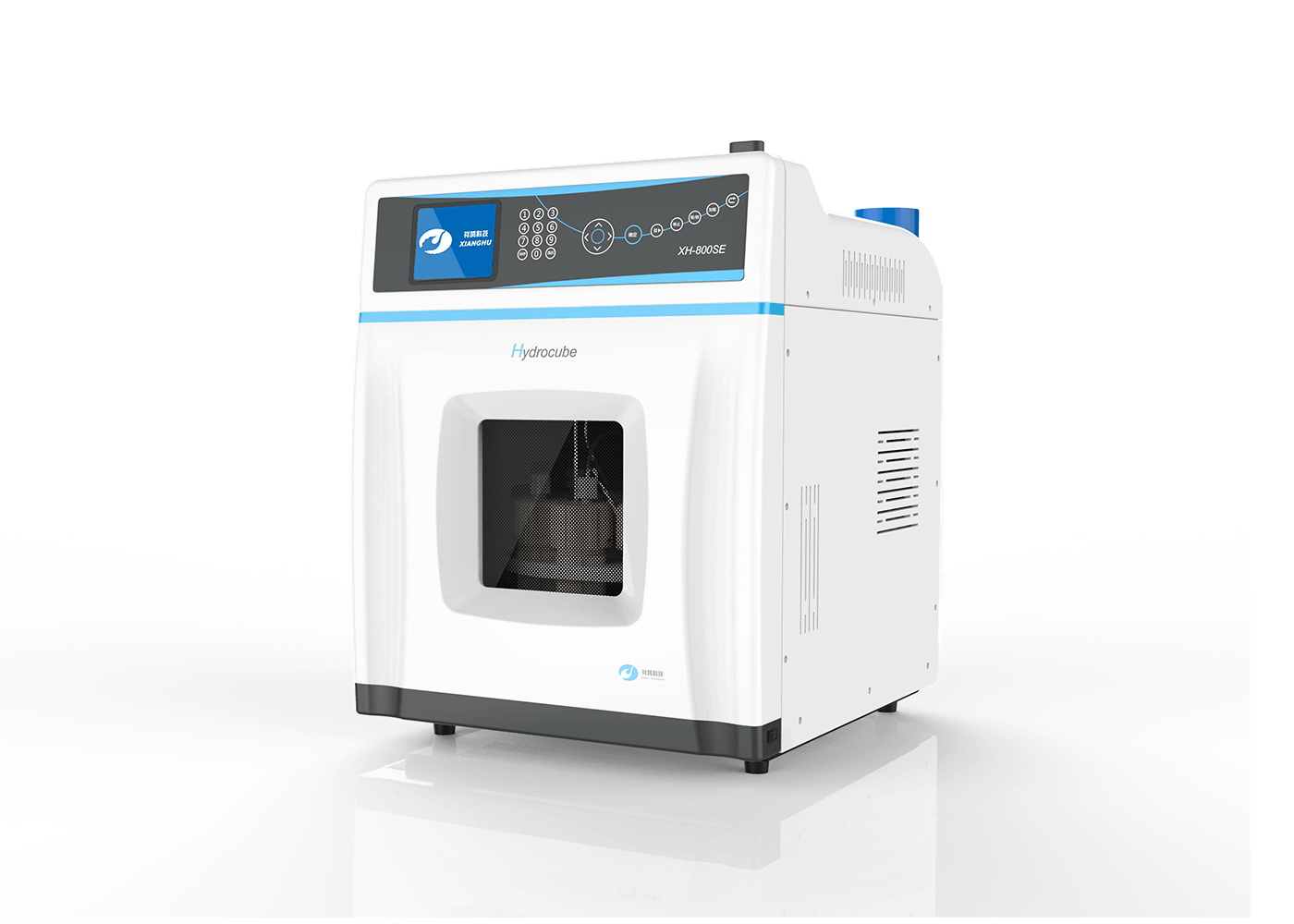
FAQ
Which Xianghu instrument is covered by this page?
The structured source records XH-800S for this paper.
What is the main application direction?
The source tags this paper under microwave hydrothermal.
Which publication does this case come from?
It comes from Chemical Engineering Journal (2019), DOI 10.1016/j.cej.2019.05.105.
Citation
TEM analysis and in vitro and in vivo biological performance of the hydroxyapatite crystals rapidly formed on the modified microarc oxidation coating using microwave hydrothermal technique
Chemical Engineering Journal, 2019
DOI: 10.1016/j.cej.2019.05.105
TEM analysis and in vitro and in vivo biological performance of the hydroxyapatite crystals rapidly formed on the modified microarc oxidation coating using microwave hydrothermal technique
Chemical Engineering Journal, 2019
DOI: 10.1016/j.cej.2019.05.105