Fact Snapshot
- Paper: Microwave-assisted hydrothermal carbonization of corn stalk for solid biofuel production: Optimization of process parameters and characterization of hydrochar
- Equipment: XH-8000 / XH-8000Plus
- Source: Energy, 2019
- Research direction: microwave hydrothermal
- Core conditions: Temperature 257.3 °C / 181.9 °C / 230 °C, Pressure 4 MPa, and Time 3 h / 55.2 min / 39.7 min
- Key results: Specific surface area 6.36 m2/g, Yield 86.34%, and Yield 80.55%
Research Abstract
Microwave-assisted hydrothermal carbonization of corn stalk for solid biofuel production: Optimization of process parameters and characterization of hydrochar was published in Energy (2019) and is indexed as a Xianghu Q1 application case for XH-8000 / XH-8000Plus. The structured source links this paper to microwave hydrothermal. Core operating conditions include Temperature 257.3 °C / 181.9 °C / 230 °C, Pressure 4 MPa, and Time 3 h / 55.2 min / 39.7 min. Key reported results include Specific surface area 6.36 m2/g, Yield 86.34%, and Yield 80.55%. The DOI recorded for this paper is 10.1016/j.energy.2019.07.125.
Research Background and Problem
Equipment Use and Experimental Conditions
| Item | Parameter |
|---|---|
| Temperature | 257.3 °C / 181.9 °C / 230 °C |
| Pressure | 4 MPa |
| Time | 3 h / 55.2 min / 39.7 min |
Key Result
| Metric | Result |
|---|---|
| Specific surface area | 6.36 m2/g |
| Yield | 86.34% |
| Yield | 80.55% |
Evidence Details
The highest energy yield under the predicted optimum conditions of 181.9 °C, 39.7 min and 3.8 g/50 mL H2O reached 80.55%. The higher heating value of 22.82 MJ/kg was observed at 230 °C, 45 min and 2 g/50 mL H2O, which is 41% higher than that of the raw corn stalk.
The optimized reaction conditions for the highest energy yield was predicted ... The conditions were 181.9 °C, 39.7 min, and 3.8 g/50 mL H2O, with the predicted highest energy yield achieving 86.34%. The validation experiment ... was 80.55%.
Additional source evidence: source values include 150 °C, 15 min, 5 g, 50 mL.
Microwave-method evidence: source values include 50 mL, 105 °C, 3 h.
Temperature: 257.3 °C / 181.9 °C / 230 °C
Time: 3 h / 55.2 min / 39.7 min
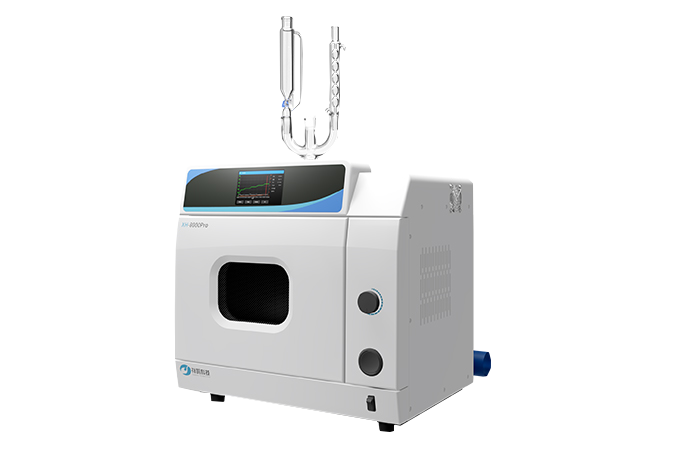
The MHTC experiments were performed using a type XH-8000Plus multi-function microwave synthesizer (Fig. 1), manufactured by Beijing Xianghu Science and Technology Development Co., Ltd. (Beijing, China).
During the reaction, the temperature and the pressure in the vessel were shown on the control panel, and were detected with sensors inserted in the vessel, and their upper limits were set at 260 °C and 4 MPa, respectively.
Additional source evidence: source values include 0.98-6.02 g, 50 mL.
Mechanism / Method Highlights
- Method context: Temperature 257.3 °C / 181.9 °C / 230 °C, Pressure 4 MPa, and Time 3 h / 55.2 min / 39.7 min.
- Abstract evidence: The highest energy yield under the predicted optimum conditions of 181.9 °C, 39.7 min and 3.8 g/50 mL H2O reached 80.55%. The higher heating value of 22.82 MJ/kg was observed at 230 °C, 45 min and 2 g/50 mL H2O, which is 41% higher than that of the raw corn stalk
- Source evidence: The optimized reaction conditions for the highest energy yield was predicted ... The conditions were 181.9 °C, 39.7 min, and 3.8 g/50 mL H2O, with the predicted highest energy yield achieving 86.34%. The validation experiment ... was 80.55%
- Additional source evidence: source values include 150 °C, 15 min, 5 g, 50 mL
- Reported outcome: Specific surface area 6.36 m2/g, Yield 86.34%, and Yield 80.55%.
Application Value
- Positions XH-8000 / XH-8000Plus in a peer-reviewed Q1 research application.
- Highlights quantitative evidence: Specific surface area 6.36 m2/g, Yield 86.34%, and Yield 80.55%.
- Records source affiliations: Northwest Agriculture and Forestry University.
Related Equipment
FAQ
Which Xianghu instrument is covered by this page?
What is the main application direction?
Which publication does this case come from?
Microwave-assisted hydrothermal carbonization of corn stalk for solid biofuel production: Optimization of process parameters and characterization of hydrochar
Energy, 2019
DOI: 10.1016/j.energy.2019.07.125