Fact Snapshot
- Paper: Defect-Rich Soft Carbon Porous Nanosheets for Fast and High-Capacity Sodium-Ion Storage
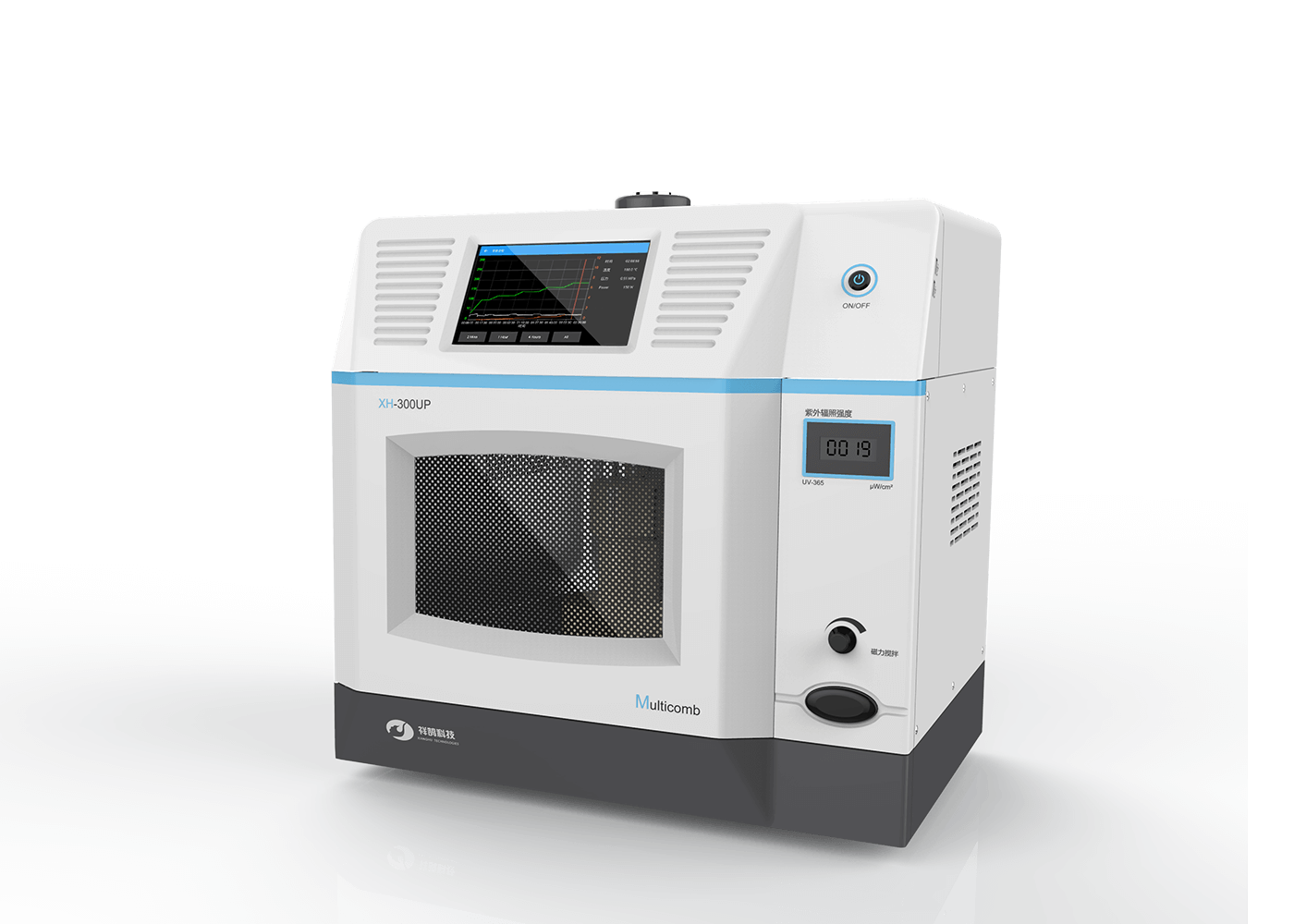
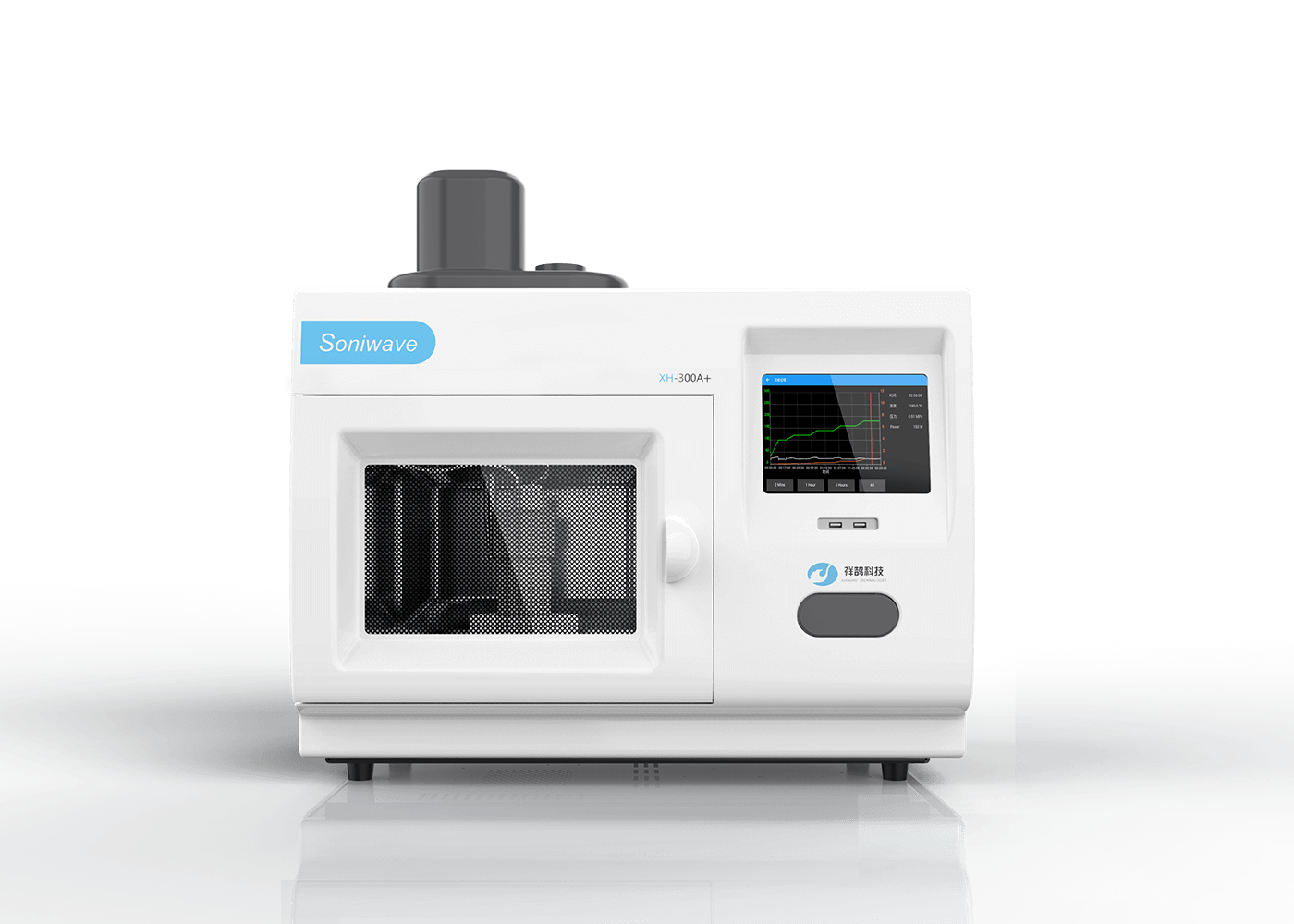
- Equipment: XH-300UL+ and XH-300 series
- Source: Advanced Energy Materials, 2018
- Research direction: sodium-ion battery anode, soft-carbon microstructure control, microwave-assisted carbon-material preparation, and multi-ion energy storage
- Core conditions: Temperature 60 °C, Microwave power 300 W, and Time 10 h / 5 min
- Key results: Dual-ion battery energy density 256 Wh kg-1, Capacity retention 93%, Sodium-storage capacity 232.2 mAh g-1, and Specific surface area 25-fold
Research Abstract
Defect-Rich Soft Carbon Porous Nanosheets for Fast and High-Capacity Sodium-Ion Storage was published in Advanced Energy Materials (2018) and is indexed as a Xianghu Q1 application case for XH-300UL+ and XH-300 series. The source record connects it with sodium-ion battery anode, soft-carbon microstructure control, microwave-assisted carbon-material preparation, and multi-ion energy storage. Core operating conditions include Temperature 60 °C, Microwave power 300 W, and Time 10 h / 5 min. Key reported results include Dual-ion battery energy density 256 Wh kg-1, Capacity retention 93%, Sodium-storage capacity 232.2 mAh g-1, and Specific surface area 25-fold.
Research Background and Problem
Equipment Use and Experimental Conditions
| Item | Parameter |
|---|---|
| Temperature | 60 °C |
| Microwave power | 300 W |
| Time | 10 h / 5 min |
Key Result
| Metric | Result |
|---|---|
| Energy density | 256 Wh kg-1 |
| Capacity retention | 93% |
| Specific surface area | 25-fold |
| Specific surface area | 471.2 m2 g-1 |
| Specific surface area | 19.1 m2 g-1 |
| Sodium-storage capacity | 232.2 mAh g-1 |
Evidence Details
Ultrasonic-method evidence: source values include 900 °C, 10 h, 100 mL, 12 h, 5 g, 60 °C, 2 h.
Microwave-method evidence: source values include 300 W, 5 min. Entities: XH-300UL.
The reversible capacity of SC-NS maintains at 128.7 mAh g−1 after 3500 cycles, corresponding to the outstanding capacity retention of 93%
Additional source evidence: source values include 3 nm, 0.45–0.9 nm.
Additional source evidence: source values include 2000 s, 0.2 s.
Structured key result: source values include 25 fold.
Mechanism / Method Highlights
- Micropores formed after microwave treatment greatly enlarge the effective contact interface between electrode and electrolyte.
- The increased edge-defect density provides additional sodium-storage sites for Na+.
- The nanosheet structure shortens ion-diffusion paths, reducing the estimated diffusion time from about 2000 s for microrods to about 0.2 s.
- In-situ XRD shows interlayer spacing expansion from about 3.5 Å to about 4.1 Å, supporting reversible Na+ intercalation.
- The higher pseudocapacitive contribution explains why high capacity is retained under fast-charge conditions.
Application Value
- A short 300 W / 5 min microwave exfoliation step rapidly reconstructs the soft-carbon structure.
- The specific surface area increases from 19.1 to 471.2 m2 g^-1, while defects and micropores are strengthened together.
- Sodium-storage capacity reaches 232.2 mAh g^-1 and still remains 103.8 mAh g^-1 at 1000 mA g^-1.
- After 3500 cycles at 800 mA g^-1, capacity retention remains 93%.
- Preserves quantitative result evidence: Dual-ion battery energy density 256 Wh kg-1, Capacity retention 93%, Sodium-storage capacity 232.2 mAh g-1, and Specific surface area 25-fold.
Related Equipment
FAQ
Which Xianghu instrument is covered by this page?
What research direction does this page support?
Which publication does this case come from?
Defect-Rich Soft Carbon Porous Nanosheets for Fast and High-Capacity Sodium-Ion Storage
Advanced Energy Materials, 2018
DOI: 10.1002/aenm.201803260