Fact Snapshot
- Paper: Facile microwave synthesis of a Z-scheme imprinted ZnFe2O4/Ag/PEDOT with the specific recognition ability towards improving photocatalytic activity and selectivity for tetracycline
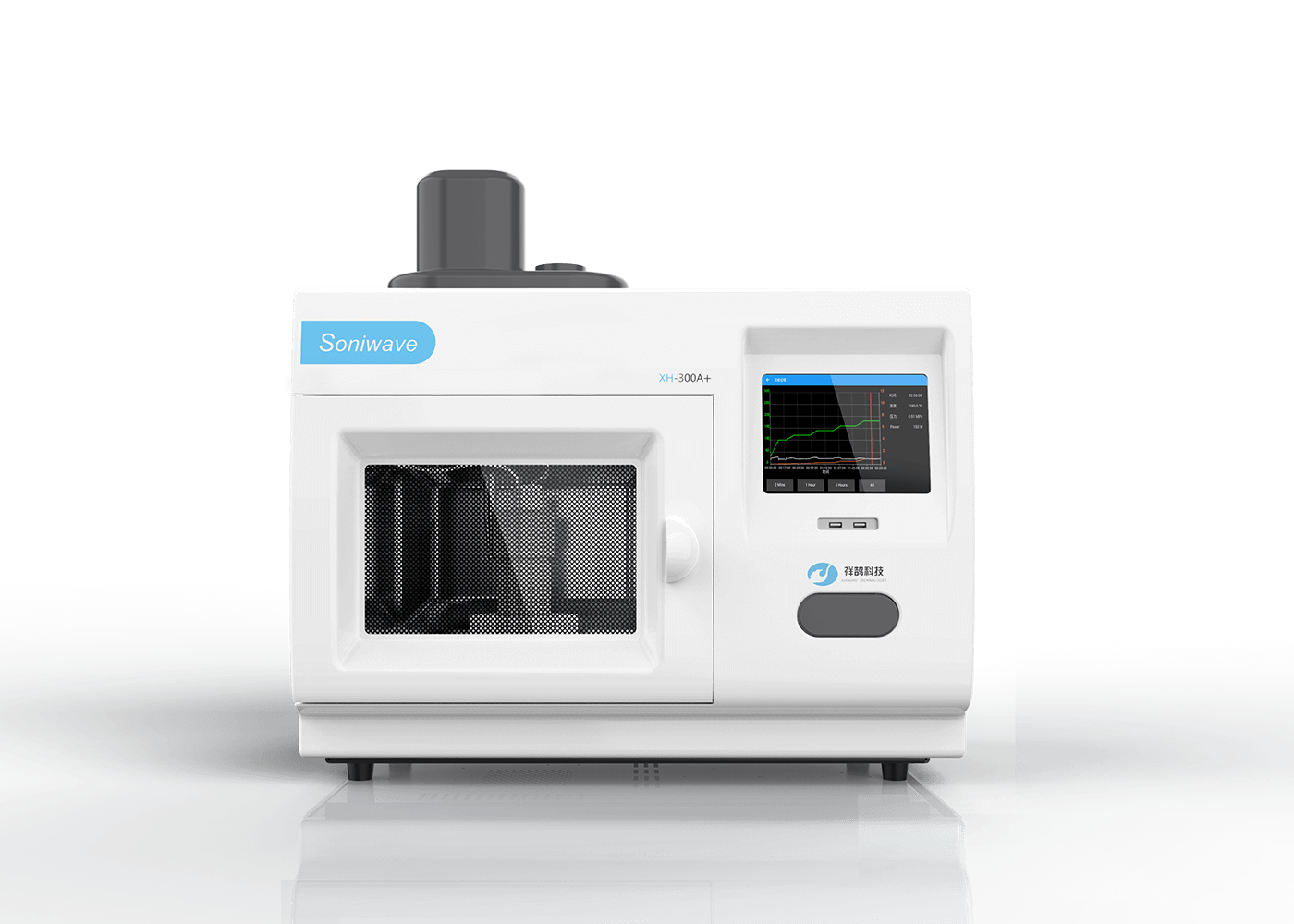
- Equipment: XH-300 series
- Source: Chemical Engineering Journal, 2018
- Research direction: Z-scheme
- Core conditions: Temperature 210 °C / 60 °C, Power 700 W, Microwave power 250 W, and Time 1 h / 72 h
- Key results: Degradation rate 71.77%, Degradation rate 71.77%, Specific surface area 181.53 m2 g-1, and Degradation rate 20.75%
Research Abstract
Facile microwave synthesis of a Z-scheme imprinted ZnFe2O4/Ag/PEDOT with the specific recognition ability towards improving photocatalytic activity and selectivity for tetracycline was published in Chemical Engineering Journal (2018) and is indexed as a Xianghu Q1 application case for XH-300 series. The source record connects it with Z-scheme. Core operating conditions include Temperature 210 °C / 60 °C, Power 700 W, Microwave power 250 W, and Time 1 h / 72 h. Key reported results include Degradation rate 71.77%, Degradation rate 71.77%, Specific surface area 181.53 m2 g-1, and Degradation rate 20.75%.
Research Background and Problem
Equipment Use and Experimental Conditions
| Item | Parameter |
|---|---|
| Temperature | 210 °C / 60 °C |
| Power | 700 W |
| Microwave power | 250 W |
| Time | 1 h / 72 h |
Key Result
| Metric | Result |
|---|---|
| Specific surface area | 181.53 m2 g-1 |
| Degradation rate | 71.77% |
| Degradation rate | 20.75% |
| Adsorption capacity | 1.47 mg g-1 |
Evidence Details
Microwave-method evidence: source values include 700 W, 60 °C, 1 h. Entities: XH-300UL.
the molecular template (TC) was removed by adding 200 mL deionized water into above solution under the simulated sunlight irradiation (250 W xenon lamp) for 2 h
Z-scheme imprinted ZnFe2O4/Ag/PEDOT possessed the highest photodegradation rate (71.77 %) under the simulated sunlight irradiation of 120 min
the photocatalytic activity was seriously affected by adding TEOA and the photodegradation rate was only 20.75 %
Additional source evidence: source values include 0.01 g, 71.77%.
Additional source evidence: source values include 210 °C, 72 h.
Adsorption capacity: 1.47 mg g-1
Mechanism / Method Highlights
- Method context: Temperature 210 °C / 60 °C, Power 700 W, Microwave power 250 W, and Time 1 h / 72 h.
- Microwave-method evidence: source values include 700 W, 60 °C, 1 h. Entities: XH-300UL
- Source evidence: the molecular template (TC) was removed by adding 200 mL deionized water into above solution under the simulated sunlight irradiation (250 W xenon lamp) for 2 h
- Source evidence: Z-scheme imprinted ZnFe2O4/Ag/PEDOT possessed the highest photodegradation rate (71.77 %) under the simulated sunlight irradiation of 120 min
- Reported outcome: Degradation rate 71.77%, Degradation rate 71.77%, Specific surface area 181.53 m2 g-1, and Degradation rate 20.75%.
Application Value
- Provides a peer-reviewed SoarNova / Xianghu Q1 application case for XH-300 series.
- Supports English discovery around Z-scheme.
- Preserves quantitative result evidence: Degradation rate 71.77%, Degradation rate 71.77%, Specific surface area 181.53 m2 g-1, and Degradation rate 20.75%.
- Maintains source-level evidence details: Microwave-method evidence: source values include 700 W, 60 °C, 1 h. Entities: XH-300UL, Source evidence: the molecular template (TC) was removed by adding 200 mL deionized water into above solution under the simulated sunlight irradiation (250 W xenon lamp) for 2 h, Source evidence: Z-scheme imprinted ZnFe2O4/Ag/PEDOT possessed the highest photodegradation rate (71.77 %) under the simulated sunlight irradiation of 120 min, and Source evidence: the photocatalytic activity was seriously affected by adding TEOA and the photodegradation rate was only 20.75 %.
Related Equipment
FAQ
Which Xianghu instrument is covered by this page?
What is the main application direction?
Which publication does this case come from?
Facile microwave synthesis of a Z-scheme imprinted ZnFe2O4/Ag/PEDOT with the specific recognition ability towards improving photocatalytic activity and selectivity for tetracycline
Chemical Engineering Journal, 2018
DOI: 10.1016/j.cej.2017.12.115