Fact Snapshot
- Paper: Microwave-assisted rapid green synthesis of photoluminescent carbon nanodots from flour and their applications for sensitive and selective detection of mercury(II) ions
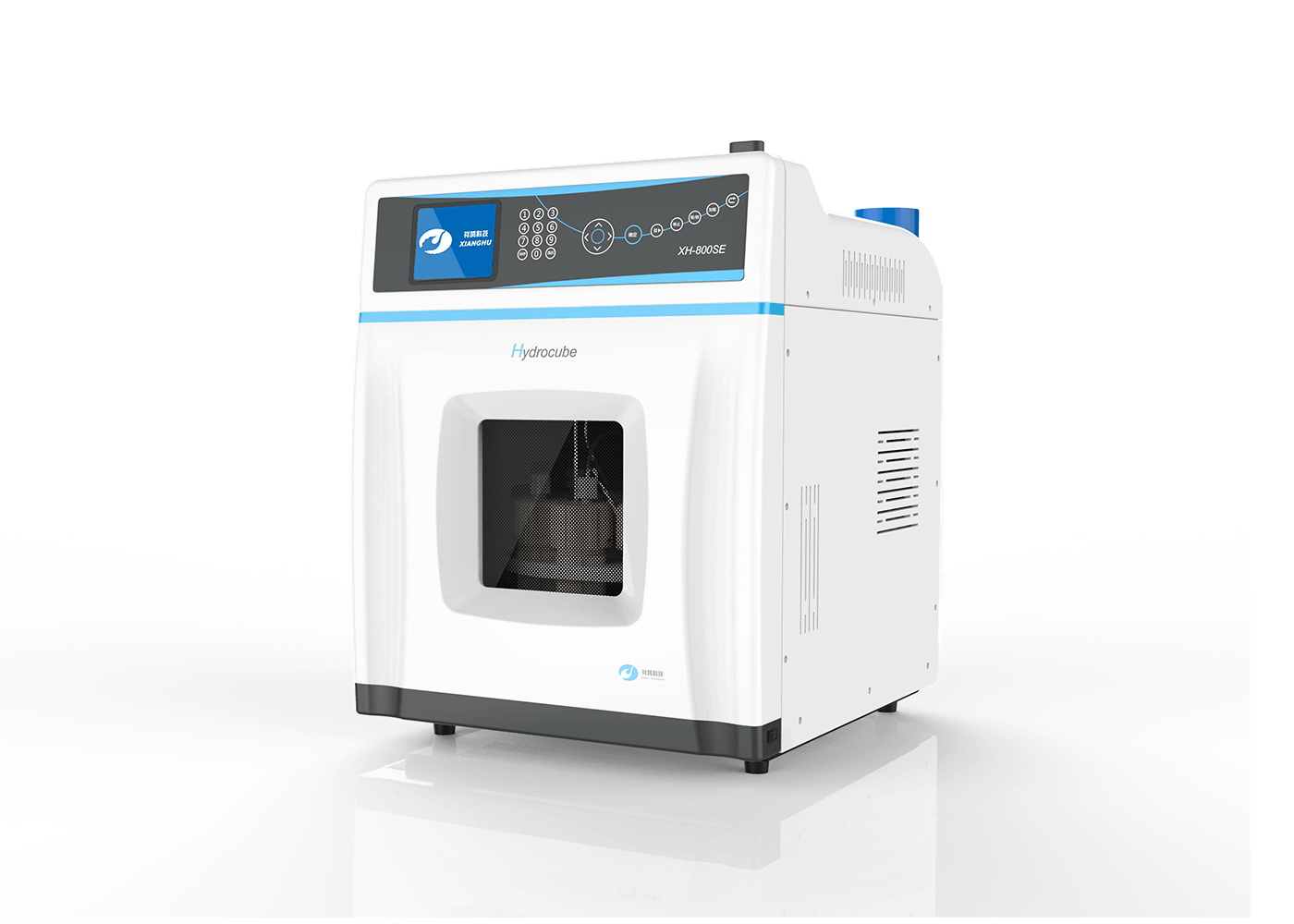
- Equipment: XH-800S
- Source: Sensors and Actuators B: Chemical, 2013
- Research direction: Research application
- Core conditions: Temperature 180 °C and Time 20 min / 10 min / 48 h
- Key results: Quantum yield 5.4% and Particle size -4 nm
Research Abstract
Microwave-assisted rapid green synthesis of photoluminescent carbon nanodots from flour and their applications for sensitive and selective detection of mercury(II) ions was published in Sensors and Actuators B: Chemical (2013) and is indexed as a Xianghu Q1 application case for XH-800S. The source record connects it with Research application. Core operating conditions include Temperature 180 °C and Time 20 min / 10 min / 48 h. Key reported results include Quantum yield 5.4% and Particle size -4 nm.
Research Background and Problem
Equipment Use and Experimental Conditions
| Item | Parameter |
|---|---|
| Temperature | 180 °C |
| Time | 20 min / 10 min / 48 h |
Key Result
| Metric | Result |
|---|---|
| Yield | 5.4% |
| Particle size | -4 nm |
Evidence Details
In a typical synthesis, 80 mg of flour was sealed and heated in a computer-controlled XH-800C microwave digestion system ... at 180 °C for a period of 20 min.
Its QY is determined to be 5.4% ... The QY is dropped to 1.5% after addition of 40 μM Hg2+.
The resultant C-dots exhibit high sensitivity and selectivity toward Hg2+ with a detection limit as low as 0.5 nM and a linear range of 0.0005–0.01 μM.
Time: 20 min / 10 min / 48 h
Particle size: -4 nm
Additional source evidence: source values include 1-4 nm.
Mechanism / Method Highlights
- Method context: Temperature 180 °C and Time 20 min / 10 min / 48 h.
- Equipment evidence: In a typical synthesis, 80 mg of flour was sealed and heated in a computer-controlled XH-800C microwave digestion system ... at 180 °C for a period of 20 min
- Source evidence: Its QY is determined to be 5.4% ... The QY is dropped to 1.5% after addition of 40 μM Hg2+
- Abstract evidence: The resultant C-dots exhibit high sensitivity and selectivity toward Hg2+ with a detection limit as low as 0.5 nM and a linear range of 0.0005–0.01 μM
- Reported outcome: Quantum yield 5.4% and Particle size -4 nm.
Application Value
- Provides a peer-reviewed SoarNova / Xianghu Q1 application case for XH-800S.
- Supports English discovery around Research application.
- Preserves quantitative result evidence: Quantum yield 5.4% and Particle size -4 nm.
- Maintains source-level evidence details: Equipment evidence: In a typical synthesis, 80 mg of flour was sealed and heated in a computer-controlled XH-800C microwave digestion system ... at 180 °C for a period of 20 min, Source evidence: Its QY is determined to be 5.4% ... The QY is dropped to 1.5% after addition of 40 μM Hg2+, Abstract evidence: The resultant C-dots exhibit high sensitivity and selectivity toward Hg2+ with a detection limit as low as 0.5 nM and a linear range of 0.0005–0.01 μM, and Condition evidence: Time: 20 min / 10 min / 48 h.
Related Equipment
FAQ
Which Xianghu instrument is covered by this page?
What research direction does this page support?
Which publication does this case come from?
Microwave-assisted rapid green synthesis of photoluminescent carbon nanodots from flour and their applications for sensitive and selective detection of mercury(II) ions
Sensors and Actuators B: Chemical, 2013
DOI: 10.1016/j.snb.2013.04.079