Fact Snapshot
- Paper: Conversion of steroid saponins into diosgenin by catalytic hydrolysis using acid-functionalized ionic liquid under microwave irradiation
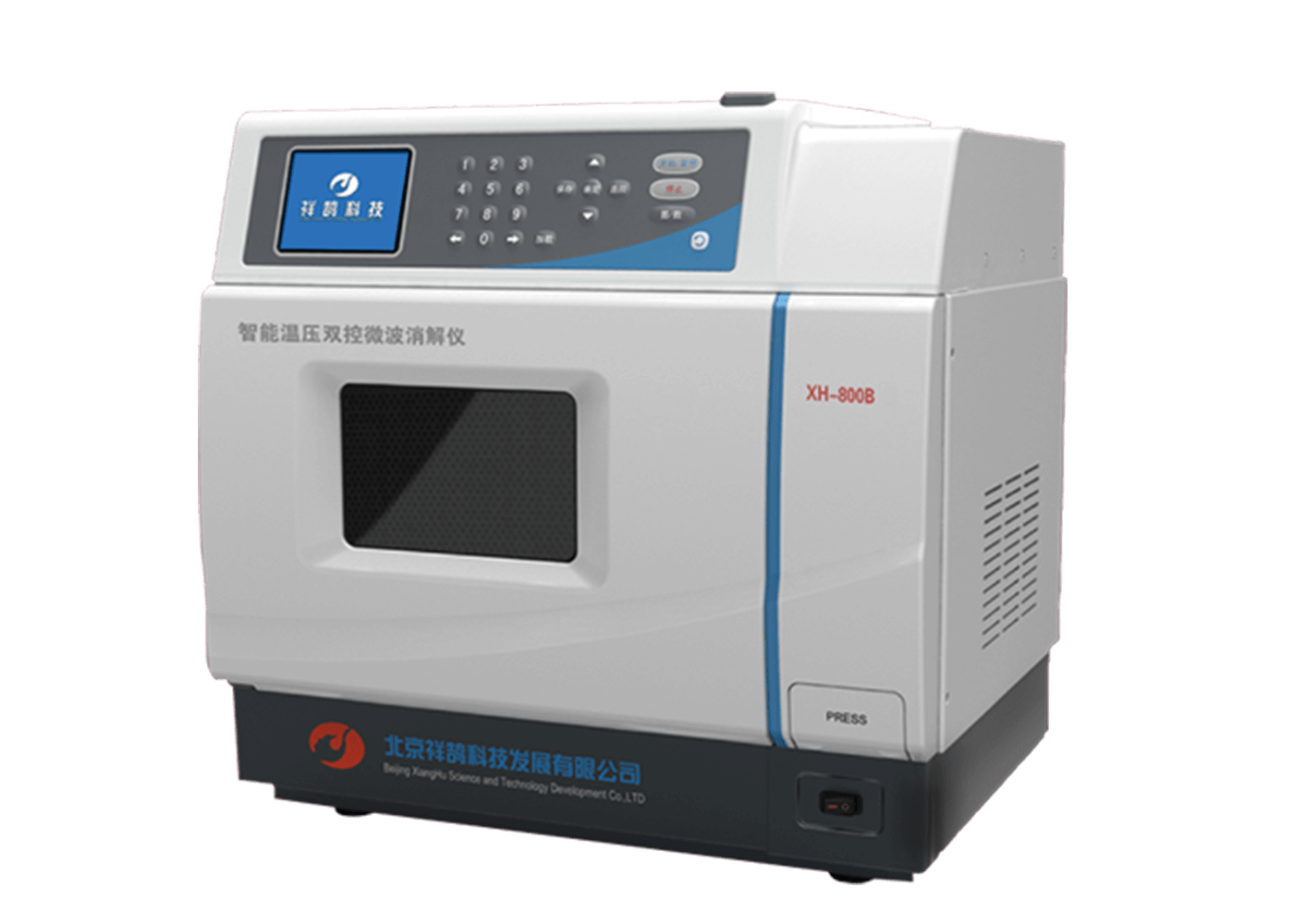
- Equipment: XH-800B
- Source: Journal of Cleaner Production, 2014
- Research direction: microwave catalysis and diosgenin
- Core conditions: Temperature 100 °C, Power 1000 W, and Time 3 h / 20 min
- Key results: Recovery 92%, Recovery 92.38%, and Recovery 92.35%
Research Abstract
Conversion of steroid saponins into diosgenin by catalytic hydrolysis using acid-functionalized ionic liquid under microwave irradiation was published in Journal of Cleaner Production (2014) and is indexed as a Xianghu Q1 application case for XH-800B. The structured source links this paper to microwave catalysis and diosgenin. Core operating conditions include Temperature 100 °C, Power 1000 W, and Time 3 h / 20 min. Key reported results include Recovery 92%, Recovery 92.38%, and Recovery 92.35%. The DOI recorded for this paper is 10.1016/j.jclepro.2014.05.041.
Research Background and Problem
Equipment Use and Experimental Conditions
| Item | Parameter |
|---|---|
| Temperature | 100 °C |
| Power | 1000 W |
| Time | 3 h / 20 min |
Key Result
| Metric | Result |
|---|---|
| Recovery | 92% |
| Recovery | 92.38% |
| Recovery | 92.35% |
Evidence Details
Under the optimal conditions, this approach achieved the highest yield of diosgenin (29.97 ± 0.51 mg) with 0.3 g steroid saponins. Compared with regular hydrochloric acid hydrolysis, the developed approach obtained 96% diosgenin and reduced 93% reaction time.
In summary, the optimal production conditions for diosgenin are provided as follows: 4 mol L−1 [BHSO3MIm]HSO4, the ratio of solvent to solid of 15:1, the reaction temperature at 100 °C, and reaction time of 20 min.
XH-800B intelligent microwave workstation with an output power of 0-1000 W was purchased from Beijing Xianghu Science and Technology Development Co., Ltd. (Beijing).
As shown in Table 1, [BHSO3MIm]HSO4 ionic liquid was stable and effective and the yield was decreased by 15% after five cycles.
Additional source evidence: source values include 29.97 ± 0.51 mg, 92.38%.
Additional source evidence: source values include 25.42 ± 0.58 mg, 92.35%.
Additional source evidence: source values include 100 °C, 5 h.
Time: 3 h / 20 min
Recovery: 92%
Power: 1000 W
Mechanism / Method Highlights
- Method context: Temperature 100 °C, Power 1000 W, and Time 3 h / 20 min.
- Abstract evidence: Under the optimal conditions, this approach achieved the highest yield of diosgenin (29.97 ± 0.51 mg) with 0.3 g steroid saponins. Compared with regular hydrochloric acid hydrolysis, the developed approach obtained 96% diosgenin and reduced 93% reaction time
- Source evidence: In summary, the optimal production conditions for diosgenin are provided as follows: 4 mol L−1 [BHSO3MIm]HSO4, the ratio of solvent to solid of 15:1, the reaction temperature at 100 °C, and reaction time of 20 min
- Equipment evidence: XH-800B intelligent microwave workstation with an output power of 0-1000 W was purchased from Beijing Xianghu Science and Technology Development Co., Ltd. (Beijing)
- Reported outcome: Recovery 92%, Recovery 92.38%, and Recovery 92.35%.
Application Value
- Positions XH-800B in a peer-reviewed Q1 research application.
- Highlights quantitative evidence: Recovery 92%, Recovery 92.38%, and Recovery 92.35%.
- Records source affiliations: Jiangnan University.
Related Equipment
FAQ
Which Xianghu instrument is covered by this page?
What is the main application direction?
Which publication does this case come from?
Conversion of steroid saponins into diosgenin by catalytic hydrolysis using acid-functionalized ionic liquid under microwave irradiation
Journal of Cleaner Production, 2014
DOI: 10.1016/j.jclepro.2014.05.041