Fact Snapshot
- Paper: Construction of amorphous TiO2/BiOBr heterojunctions via facets coupling for enhanced photocatalytic activity
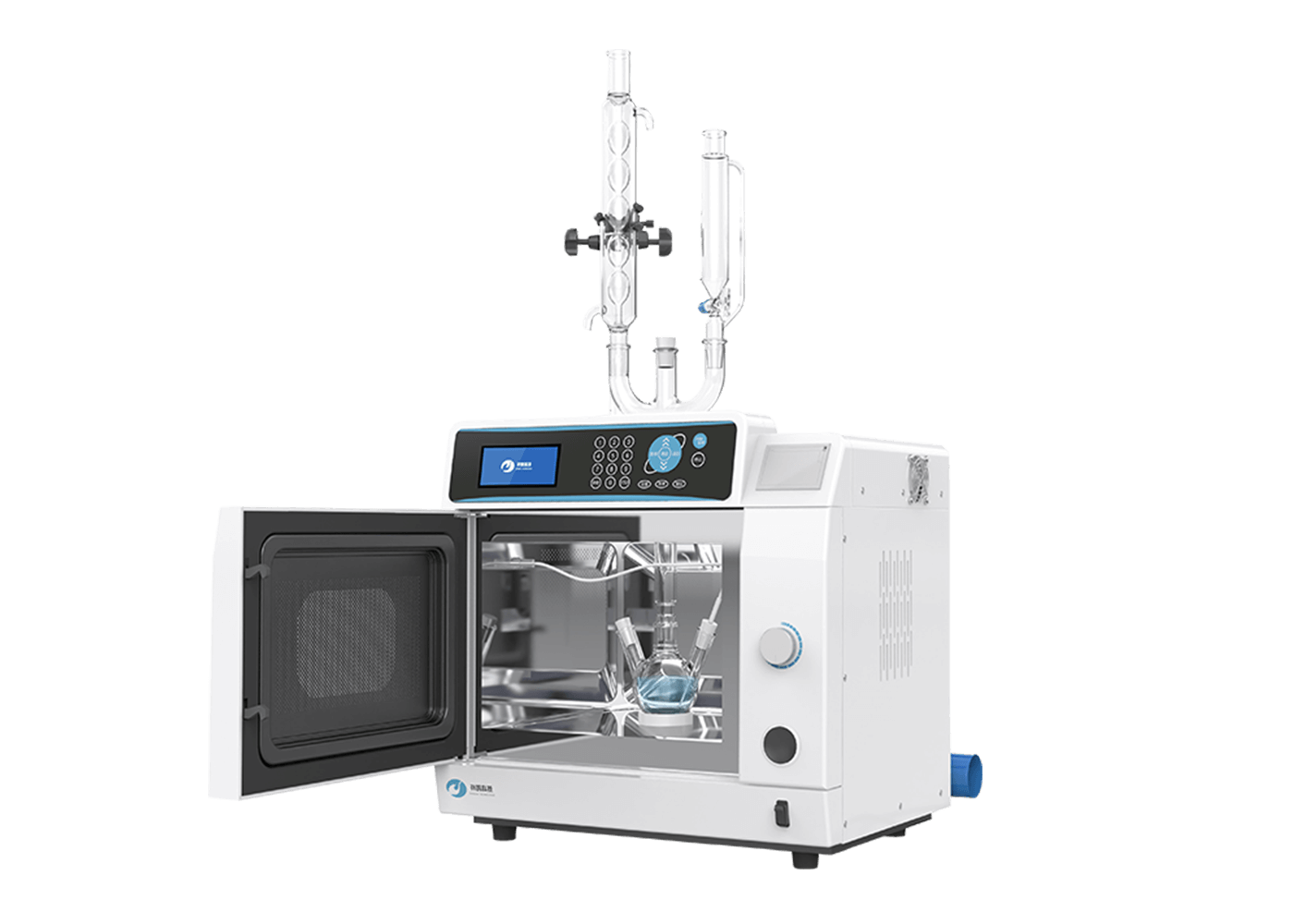
- Equipment: XH-100A
- Source: Journal of Hazardous Materials, 2015
- Research direction: BiOBr
- Core conditions: Temperature 80 °C / 400 °C, Power 500 W, and Time 1 h / 80 min
- Key results: Degradation rate 91% and Reaction rate 3.4-fold
Research Abstract
Construction of amorphous TiO2/BiOBr heterojunctions via facets coupling for enhanced photocatalytic activity was published in Journal of Hazardous Materials (2015) and is indexed as a Xianghu Q1 application case for XH-100A. The source record connects it with BiOBr. Core operating conditions include Temperature 80 °C / 400 °C, Power 500 W, and Time 1 h / 80 min. Key reported results include Degradation rate 91% and Reaction rate 3.4-fold.
Research Background and Problem
Equipment Use and Experimental Conditions
| Item | Parameter |
|---|---|
| Temperature | 80 °C / 400 °C |
| Power | 500 W |
| Time | 1 h / 80 min |
Key Result
| Metric | Result |
|---|---|
| Degradation rate | 91% |
| Reaction rate | 3.4-fold |
Evidence Details
For the reaction process occurring in the microwave oven (XH-100B, Beijing Xianghu Co., Ltd), the power and temperature were set to 500 W and 80 °C, respectively.
...almost 91% of MO is degraded over the 15% TiO2/BiOBr composite in 80 min.
Additional source evidence: source values include 500 W, 80 °C, 1 h. Entities: XH-100B.
Temperature: 80 °C / 400 °C
Structured key result: source values include 3.4 fold.
Mechanism / Method Highlights
- Method context: Temperature 80 °C / 400 °C, Power 500 W, and Time 1 h / 80 min.
- Equipment evidence: For the reaction process occurring in the microwave oven (XH-100B, Beijing Xianghu Co., Ltd), the power and temperature were set to 500 W and 80 °C, respectively
- Source evidence: almost 91% of MO is degraded over the 15% TiO2/BiOBr composite in 80 min
- Additional source evidence: source values include 500 W, 80 °C, 1 h. Entities: XH-100B
- Reported outcome: Degradation rate 91% and Reaction rate 3.4-fold.
Application Value
- Provides a peer-reviewed SoarNova / Xianghu Q1 application case for XH-100A.
- Supports English discovery around BiOBr.
- Preserves quantitative result evidence: Degradation rate 91% and Reaction rate 3.4-fold.
- Maintains source-level evidence details: Equipment evidence: For the reaction process occurring in the microwave oven (XH-100B, Beijing Xianghu Co., Ltd), the power and temperature were set to 500 W and 80 °C, respectively, Source evidence: almost 91% of MO is degraded over the 15% TiO2/BiOBr composite in 80 min, Additional source evidence: source values include 500 W, 80 °C, 1 h. Entities: XH-100B, and Condition evidence: Temperature: 80 °C / 400 °C.
Related Equipment
FAQ
Which Xianghu instrument is covered by this page?
What is the main application direction?
Which publication does this case come from?
Construction of amorphous TiO2/BiOBr heterojunctions via facets coupling for enhanced photocatalytic activity
Journal of Hazardous Materials, 2015
DOI: 10.1016/j.jhazmat.2015.03.030