Fact Snapshot
- Paper: Ionic-liquid-assisted synthesis of high-visible-light-activated N–B–F-tri-doped mesoporous TiO2 via a microwave route
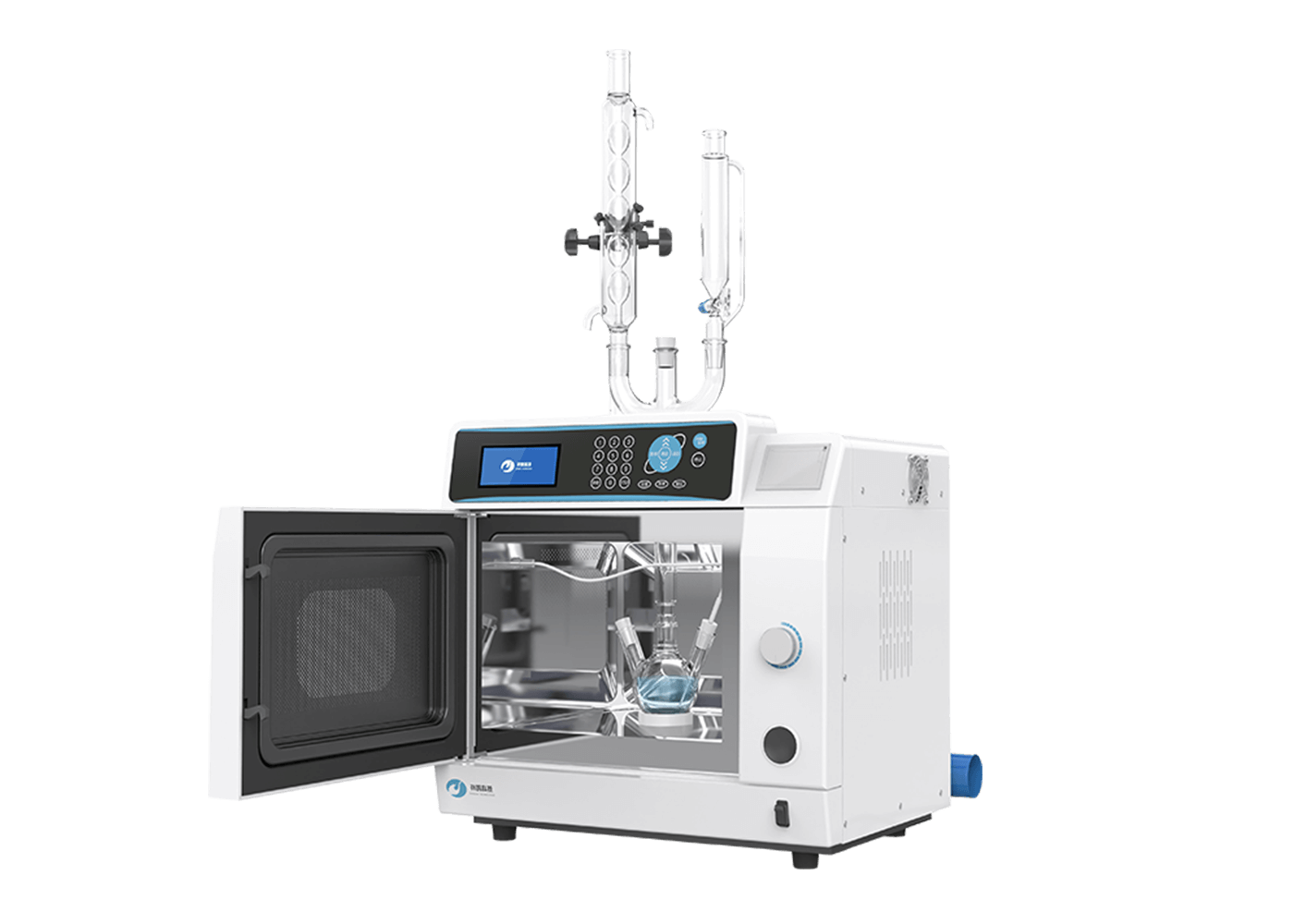
- Equipment: XH-100A
- Source: Applied Catalysis B Environmental, 2014
- Research direction: TiO2
- Core conditions: Temperature 80 °C / 600 °C / 400 °C, Microwave power 500 W, and Time 1 h
- Key results: Activity 75.2-fold
Research Abstract
Ionic-liquid-assisted synthesis of high-visible-light-activated N–B–F-tri-doped mesoporous TiO2 via a microwave route was published in Applied Catalysis B Environmental (2014) and is indexed as a Xianghu Q1 application case for XH-100A. The source record connects it with TiO2. Core operating conditions include Temperature 80 °C / 600 °C / 400 °C, Microwave power 500 W, and Time 1 h. Key reported results include Activity 75.2-fold.
Research Background and Problem
Equipment Use and Experimental Conditions
| Item | Parameter |
|---|---|
| Temperature | 80 °C / 600 °C / 400 °C |
| Microwave power | 500 W |
| Time | 1 h |
Key Result
| Metric | Result |
|---|---|
| Activity | 75.2-fold |
Evidence Details
During the reaction, the power and the temperature of the microwave oven (XH-100B, Beijing Xianghu Science and Technology Development Co., Ltd.) were set at 500 W and 80 °C, respectively.
Microwave-method evidence: source values include 500 W, 80 °C, 1 h.
Temperature: 80 °C / 600 °C / 400 °C
...the photocatalytic activity of the prepared sample 3TA400 reached a maximum value of k of 0.0173 min−1 ... 75.2 times greater than that of P25...
Additional source evidence: source values include 300-600 °C, 2 h.
Structured key result: source values include 75.2 fold.
Mechanism / Method Highlights
- Method context: Temperature 80 °C / 600 °C / 400 °C, Microwave power 500 W, and Time 1 h.
- Equipment evidence: During the reaction, the power and the temperature of the microwave oven (XH-100B, Beijing Xianghu Science and Technology Development Co., Ltd.) were set at 500 W and 80 °C, respectively
- Microwave-method evidence: source values include 500 W, 80 °C, 1 h
- Condition evidence: Temperature: 80 °C / 600 °C / 400 °C
- Reported outcome: Activity 75.2-fold.
Application Value
- Provides a peer-reviewed SoarNova / Xianghu Q1 application case for XH-100A.
- Supports English discovery around TiO2.
- Preserves quantitative result evidence: Activity 75.2-fold.
- Maintains source-level evidence details: Equipment evidence: During the reaction, the power and the temperature of the microwave oven (XH-100B, Beijing Xianghu Science and Technology Development Co., Ltd.) were set at 500 W and 80 °C, respectively, Microwave-method evidence: source values include 500 W, 80 °C, 1 h, Condition evidence: Temperature: 80 °C / 600 °C / 400 °C, and Source evidence: the photocatalytic activity of the prepared sample 3TA400 reached a maximum value of k of 0.0173 min−1 ... 75.2 times greater than that of P25.
Related Equipment
FAQ
Which Xianghu instrument is covered by this page?
What is the main application direction?
Which publication does this case come from?
Ionic-liquid-assisted synthesis of high-visible-light-activated N–B–F-tri-doped mesoporous TiO2 via a microwave route
Applied Catalysis B Environmental, 2014
DOI: 10.1016/j.apcatb.2013.07.050