Fact Snapshot
- Paper: Ionic liquid-employed synthesis of Bi2E3 (E = S, Se, and Te) hierarchitectures: The case of Bi2S3 with superior visible-light-driven Cr(VI) photoreduction capacity
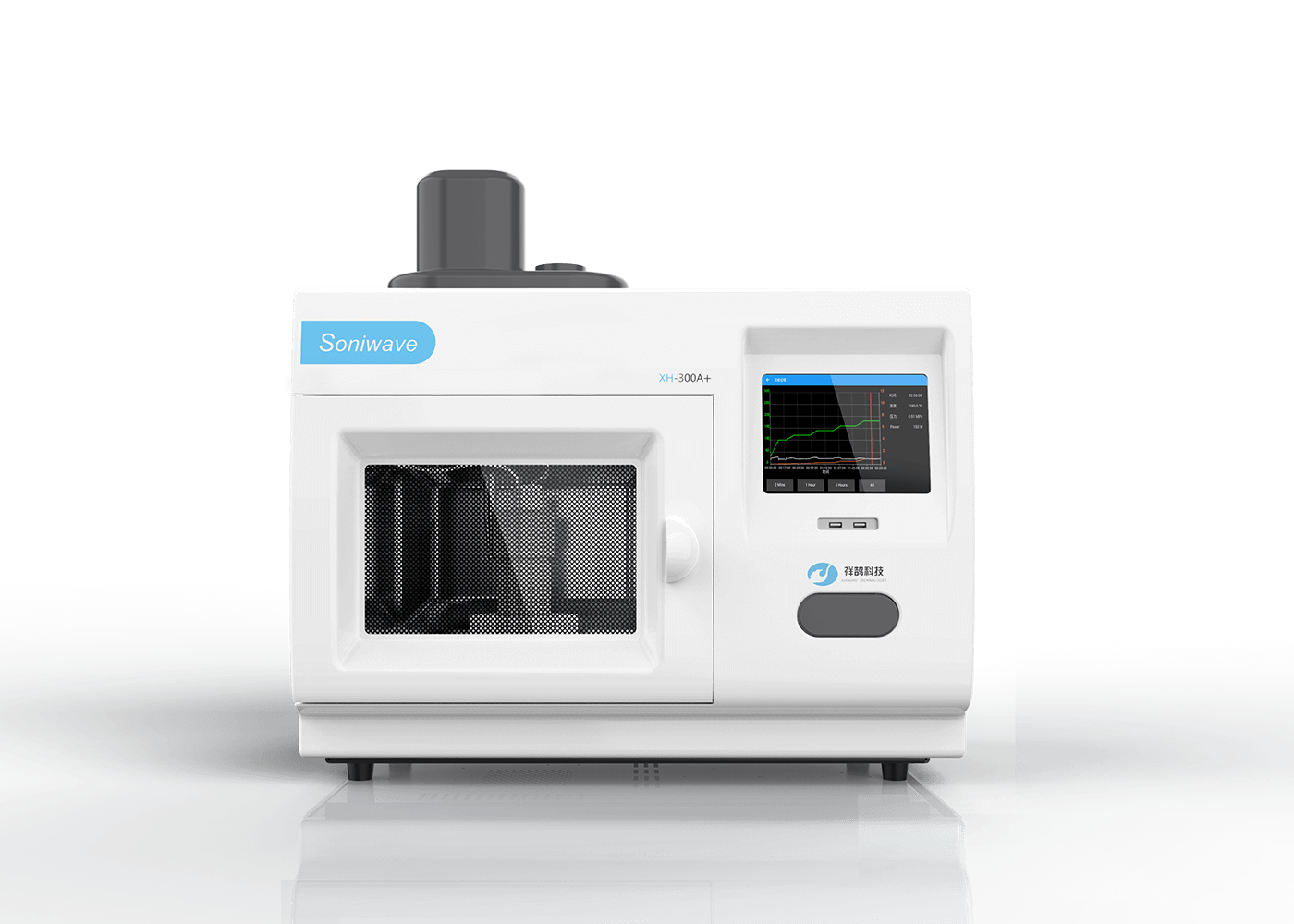
- Equipment: XH-300 series
- Source: Chemical Engineering Journal, 2017
- Research direction: Research application
- Core conditions: Temperature 180 °C, Microwave power 800 W, Ultrasonic power 500 W, and Time 3 min / 15 min
Research Abstract
Ionic liquid-employed synthesis of Bi2E3 (E = S, Se, and Te) hierarchitectures: The case of Bi2S3 with superior visible-light-driven Cr(VI) photoreduction capacity was published in Chemical Engineering Journal (2017) and is indexed as a Xianghu Q1 application case for XH-300 series. The source record connects it with Research application. Core operating conditions include Temperature 180 °C, Microwave power 800 W, Ultrasonic power 500 W, and Time 3 min / 15 min.
Research Background and Problem
Equipment Use and Experimental Conditions
| Item | Parameter |
|---|---|
| Temperature | 180 °C |
| Microwave power | 800 W |
| Ultrasonic power | 500 W |
| Time | 3 min / 15 min |
Evidence Details
Equipment-detail evidence: source values include 2 s, 1 s.
... the mixed solution was transferred to a microwave reactor (XH-300A, Beijing Xianghu Technology Co., Ltd.) and heated up to 180 °C within 3 min under microwave (800 W) and discontinuous ultrasonic (500 W, 2 s insonation and 1 s interruption) irradiation ...
... the Cr(VI) solution was completely decolorized within 15 min in the presence of Bi2S3 hierarchitectures (S1), indicating of 100% photoreduction of Cr(VI), while only 10% and 30% of Cr(VI) was removed for P25 and BiOCl (S2), respectively ...
Additional source evidence: source values include 30 min, 10%, 30%.
... after 5 photoreduction cycles of Cr(VI) solution, the photoreduction rate of Cr(VI) still maintained at 97% ...
Mechanism / Method Highlights
- Method context: Temperature 180 °C, Microwave power 800 W, Ultrasonic power 500 W, and Time 3 min / 15 min.
- Equipment-detail evidence: source values include 2 s, 1 s
- Equipment evidence: the mixed solution was transferred to a microwave reactor (XH-300A, Beijing Xianghu Technology Co., Ltd.) and heated up to 180 °C within 3 min under microwave (800 W) and discontinuous ultrasonic (500 W, 2 s insonation and 1 s interruption) irradiation
- Source evidence: the Cr(VI) solution was completely decolorized within 15 min in the presence of Bi2S3 hierarchitectures (S1), indicating of 100% photoreduction of Cr(VI), while only 10% and 30% of Cr(VI) was removed for P25 and BiOCl (S2), respectively
Application Value
- Provides a peer-reviewed SoarNova / Xianghu Q1 application case for XH-300 series.
- Supports English discovery around Research application.
- Maintains source-level evidence details: Equipment-detail evidence: source values include 2 s, 1 s, Equipment evidence: the mixed solution was transferred to a microwave reactor (XH-300A, Beijing Xianghu Technology Co., Ltd.) and heated up to 180 °C within 3 min under microwave (800 W) and discontinuous ultrasonic (500 W, 2 s insonation and 1 s interruption) irradiation, Source evidence: the Cr(VI) solution was completely decolorized within 15 min in the presence of Bi2S3 hierarchitectures (S1), indicating of 100% photoreduction of Cr(VI), while only 10% and 30% of Cr(VI) was removed for P25 and BiOCl (S2), respectively, and Additional source evidence: source values include 30 min, 10%, 30%.
Related Equipment
FAQ
Which Xianghu instrument is covered by this page?
What research direction does this page support?
Which publication does this case come from?
Ionic liquid-employed synthesis of Bi2E3 (E = S, Se, and Te) hierarchitectures: The case of Bi2S3 with superior visible-light-driven Cr(VI) photoreduction capacity
Chemical Engineering Journal, 2017
DOI: 10.1016/j.cej.2017.06.119