Fact Snapshot
- Paper: Statistical modeling/optimization and process intensification of microwave-assisted acidified oil esterification
- Equipment: XH-200A / XH-200C
- Source: Energy Conversion and Management, 2016
- Research direction: biodiesel production
- Core conditions: Microwave power 328 W and Time 98.0 min / 98 min / 540 min
- Key results: Conversion 78.0%, Conversion 78.57%, and Conversion 97.11%
Research Abstract
Statistical modeling/optimization and process intensification of microwave-assisted acidified oil esterification was published in Energy Conversion and Management (2016) and is indexed as a Xianghu Q1 application case for XH-200A / XH-200C. The structured source links this paper to biodiesel production. Core operating conditions include Microwave power 328 W and Time 98.0 min / 98 min / 540 min. Key reported results include Conversion 78.0%, Conversion 78.57%, and Conversion 97.11%. The DOI recorded for this paper is 10.1016/j.enconman.2016.06.001.
Research Background and Problem
Equipment Use and Experimental Conditions
| Item | Parameter |
|---|---|
| Microwave power | 328 W |
| Time | 98.0 min / 98 min / 540 min |
Key Result
| Metric | Result |
|---|---|
| Conversion | 78.0% |
| Conversion | 78.57% |
| Conversion | 97.11% |
| Conversion | 77.63% |
| Conversion | 95.99% |
| Contribution ratio | 43.31% |
Evidence Details
Release-kinetics evidence: source values include 0.5619%, 2.7562%, R2 = 0.9984, R2 = 0.9675.
Equipment-detail evidence: magnetic stirring.
RSM combined with BBD shows the optimal conditions as catalyst loading of 5.85 g, mass ratio of ethanol to acidified oil of 0.35 (20.0 g acidified oil), microwave power of 328 W and reaction time of 98.0 min with the free fatty acids (FFAs) conversion of 78.57%.
Microwave-method evidence: source values include 5.85 g, 328 W, 98.0 min, 78.57%, 77.63%. Entities: RSM-BBD, FFAs.
It takes 120.0 min to attain around 78.0% conversion of FFAs under 300 W microwave heating, while it takes about 540.0 min to reach about the same conversion by traditional heating.
Microwave-method evidence: source values include 300 W, 120 min, 78.0%, 540 min. Entities: FFAs.
In the case of using tubular NaA zeolite membrane, a high FFAs conversion of 97.11% is obtained... by in-situ water removal using spherical molecular sieve 4Å, the conversion of FFAs increases from 77.63 to 95.99% under the RSM optimized conditions.
Additional source evidence: source values include 5.85 g, 328 W, 98 min.
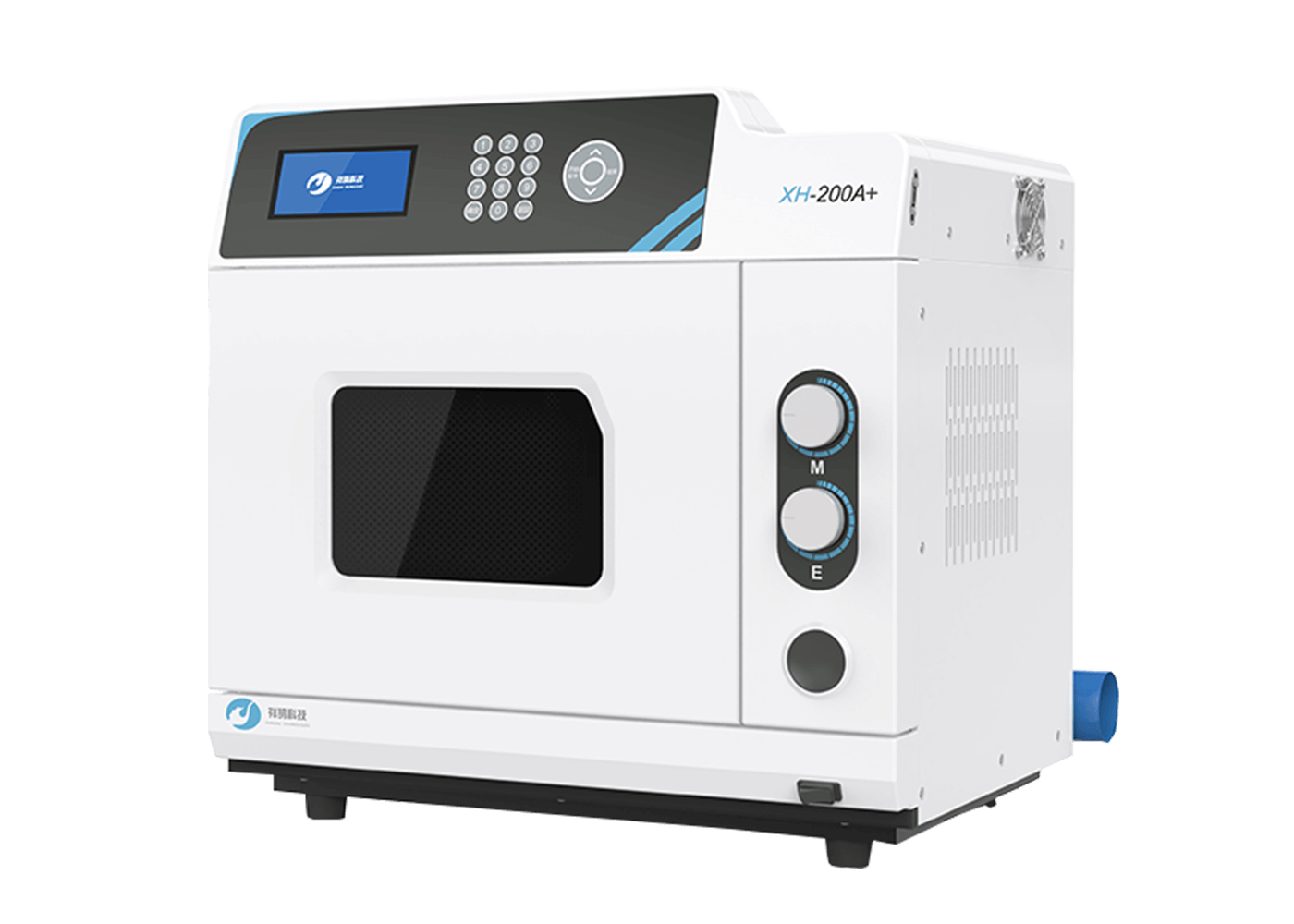
The microwave reactor (XH-200A, Beijing Xianghu Science and Technology Development Co., Ltd., Beijing, China) is used as the source of microwave radiation for transferring the energy to the reactants directly.
Additional source evidence: source values include 43.31%, 38.37%. Entities: FFAs.
Additional source evidence: source values include 95.99%, 97.11%.
Additional source evidence: source values include 78%, 96%.
Mechanism / Method Highlights
- Method context: Microwave power 328 W and Time 98.0 min / 98 min / 540 min.
- Release-kinetics evidence: source values include 0.5619%, 2.7562%, R2 = 0.9984, R2 = 0.9675
- Equipment-detail evidence: magnetic stirring
- Abstract evidence: RSM combined with BBD shows the optimal conditions as catalyst loading of 5.85 g, mass ratio of ethanol to acidified oil of 0.35 (20.0 g acidified oil), microwave power of 328 W and reaction time of 98.0 min with the free fatty acids (FFAs) conversion of 78.57%
- Reported outcome: Conversion 78.0%, Conversion 78.57%, Conversion 97.11%, and Conversion 77.63%.
Application Value
- Positions XH-200A / XH-200C in a peer-reviewed Q1 research application.
- Highlights quantitative evidence: Conversion 78.0%, Conversion 78.57%, and Conversion 97.11%.
- Records source affiliations: Shandong University of Technology and College of Chemical Engineering, Shandong University of Technology, Zibo, Shandong 255049, China.
Related Equipment
FAQ
Which Xianghu instrument is covered by this page?
What is the main application direction?
Which publication does this case come from?
Statistical modeling/optimization and process intensification of microwave-assisted acidified oil esterification
Energy Conversion and Management, 2016
DOI: 10.1016/j.enconman.2016.06.001